

The 2026 FIFA World Cup is not only the biggest tournament in football history. It is also one of the most complex aviation operations ever attempted.
July 3, 2026
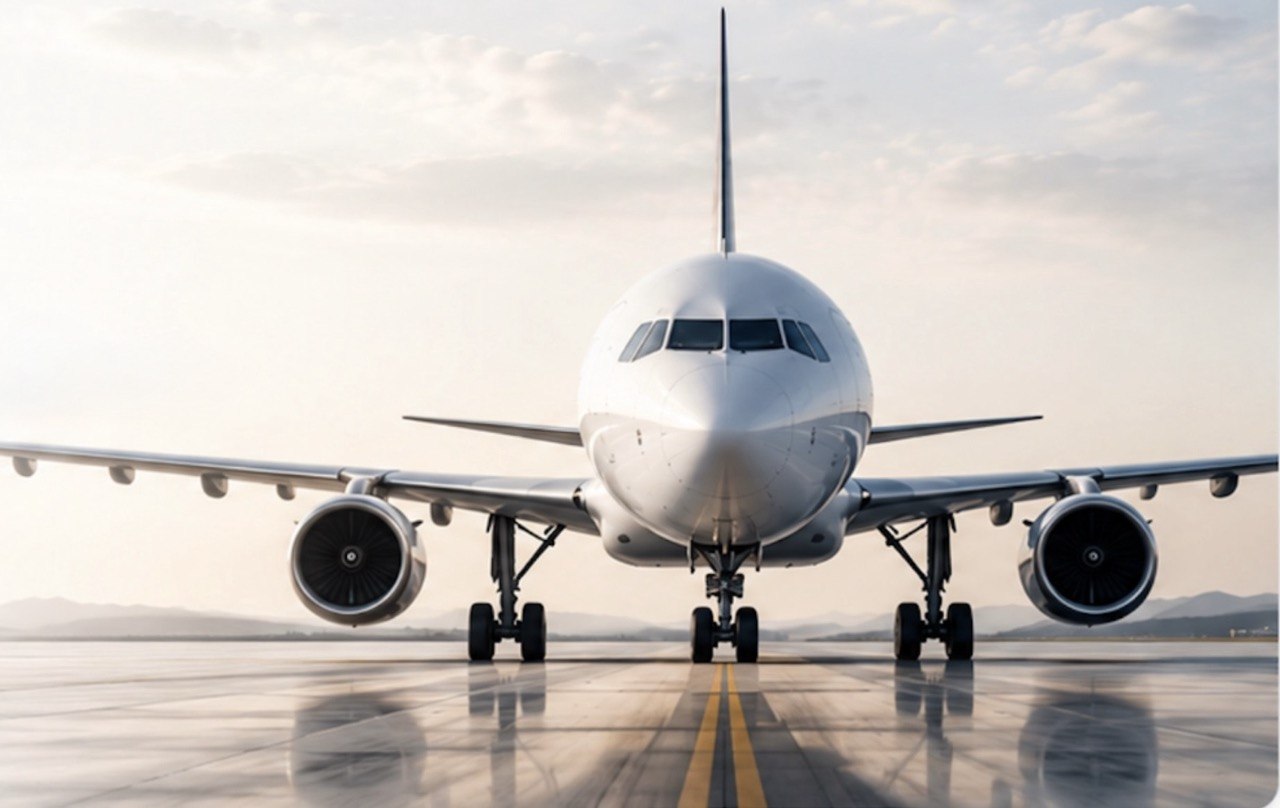
For the first time, 48 national teams are competing across 16 host cities in the United States, Canada and Mexico. Moving players, coaching staff, medical teams, equipment and broadcasters between venues has become a logistical challenge that stretches far beyond the football pitch.
According to multiple aviation publications, the tournament has transformed airlines, airports and logistics partners into a coordinated transport network designed to keep teams travelling efficiently while reducing fatigue and protecting tightly planned match schedules.
1. Teams are flying from base camps, not city to city
Unlike previous tournaments, where teams often relocated after every match, FIFA's 2026 model revolves around Team Base Camps.
Each nation operates from a designated training base and returns there after every fixture instead of continuously moving between host cities.
This hub-and-spoke model means airlines operate repeated charter services between:
- Team-base camps
- Match venues
- Training facilities
- Official airports
According to FIFA's team base camp plan, 39 of the 48 base camps are located in the United States, while Mexico hosts seven and Canada hosts two.

2. Long-haul arrivals became aviation spectacles
The tournament began with hundreds of players arriving in North America on specially arranged long-haul flights.
According to Flightradar24 data, several national teams used distinctive aircraft and customised services.
Some notable arrivals included:
- Argentina flew from Buenos Aires to Kansas City on an Aerolíneas Argentinas Airbus A330 carrying a special livery featuring Lionel Messi's iconic No. 10.
- Brazil travelled aboard an Aeronexus Boeing 767.
- France chartered an all-business-class La Compagnie Airbus A321neo to Boston.
- England flew directly from Birmingham to West Palm Beach on a Virgin Atlantic Airbus A350-1000.
These flights were designed to minimise fatigue while giving squads privacy before the tournament.

3. American Airlines is handling much of the domestic operation
Once teams arrived, attention shifted to domestic travel.
American Airlines, FIFA's Official North American Airline Supplier, is coordinating much of the movement between host cities thanks to its extensive network across the continent.
The airline works alongside Qatar Airways, FIFA's global airline partner, to support:
- Team charter flights
- Baggage and freight handling
- Private terminal access
- Cross-border flight coordination
The objective is to move squads quickly while avoiding delays experienced by regular commercial passengers.
4. Narrowbody aircraft are doing much of the heavy lifting
Widebody aircraft brought many teams into North America.
Smaller aircraft are handling many of the tournament's regional movements.
Simple Flying reported several examples:
- Southwest Airlines used its Boeing 737 MAX fleet for domestic charter operations.
- JetBlue Airways flew Saudi Arabia's squad to its team base in Austin using an Airbus A220 after pre-tournament friendlies.
These shorter sectors allow teams to travel efficiently between base camps and stadium cities.

5. Geography has shaped the entire flight schedule
North America's size means organisers cannot avoid flying.
To reduce travel time, FIFA grouped host cities into East, Central and West regions.
The strategy limits long cross-country journeys during the group stage and helps players recover between matches.
Even with regional clustering, some teams still face demanding itineraries because of the distance between their chosen base camp and allocated venues.
Simple Flying highlighted Iran as one example. Although the team plays matches on the US West Coast, it selected Tijuana, Mexico, as its operational base, creating repeated cross-border flights throughout the tournament.
6. Airports are managing far more than passenger flights
The World Cup brings much more than football teams.
Host airports must accommodate:
- National team charters
- VIP aircraft
- Commercial passenger flights
- Broadcast aircraft
- Government delegations
- Corporate aviation traffic
Large hubs such as Los Angeles, Dallas/Fort Worth and New York JFK are expected to manage significantly higher demand for aircraft parking, slot allocation and ground handling throughout the tournament.
Airport operators are also coordinating closely with aviation authorities in the United States, Canada and Mexico to streamline customs and immigration procedures for participating teams.
7. Players are only part of the cargo
Moving a football team involves much more than transporting athletes.
Each squad carries substantial amounts of equipment, including:
- Training gear
- Medical supplies
- Nutrition products
- Video analysis systems
- Broadcasting equipment
According to Sports Business Journal, the tournament logistics operation will manage:
- More than 20 million pounds (9.07 million kilograms) of freight
- Around 5,000 transport vehicles
- One million square feet of warehouse space
FIFA's logistics partner Rock-it Cargo coordinates much of this freight so equipment reaches stadiums before the teams arrive.
An aviation operation as important as the football
Fans will remember the goals, celebrations and dramatic finishes.
Behind every kick-off sits a carefully choreographed aviation network moving players, coaches, officials and equipment across one of the world's largest sporting stages.
For airlines, airports and logistics providers, success will not be measured by trophies. It will be measured by thousands of flights arriving on time, allowing the world's biggest football tournament to run without disruption.


Join the conversation
No comments yet
Be the first to share your thoughts!
Sign In to Comment