

The certification of aircraft is a demanding multi-year process that is undertaken by international aviation authorities, including the Federal Aviation Administration (FAA) and European Union Aviation Safety Agency (EASA). Their role is to ensure that all commercial aircraft are subjected to high safety, design, and operational standards before service.
June 5, 2026
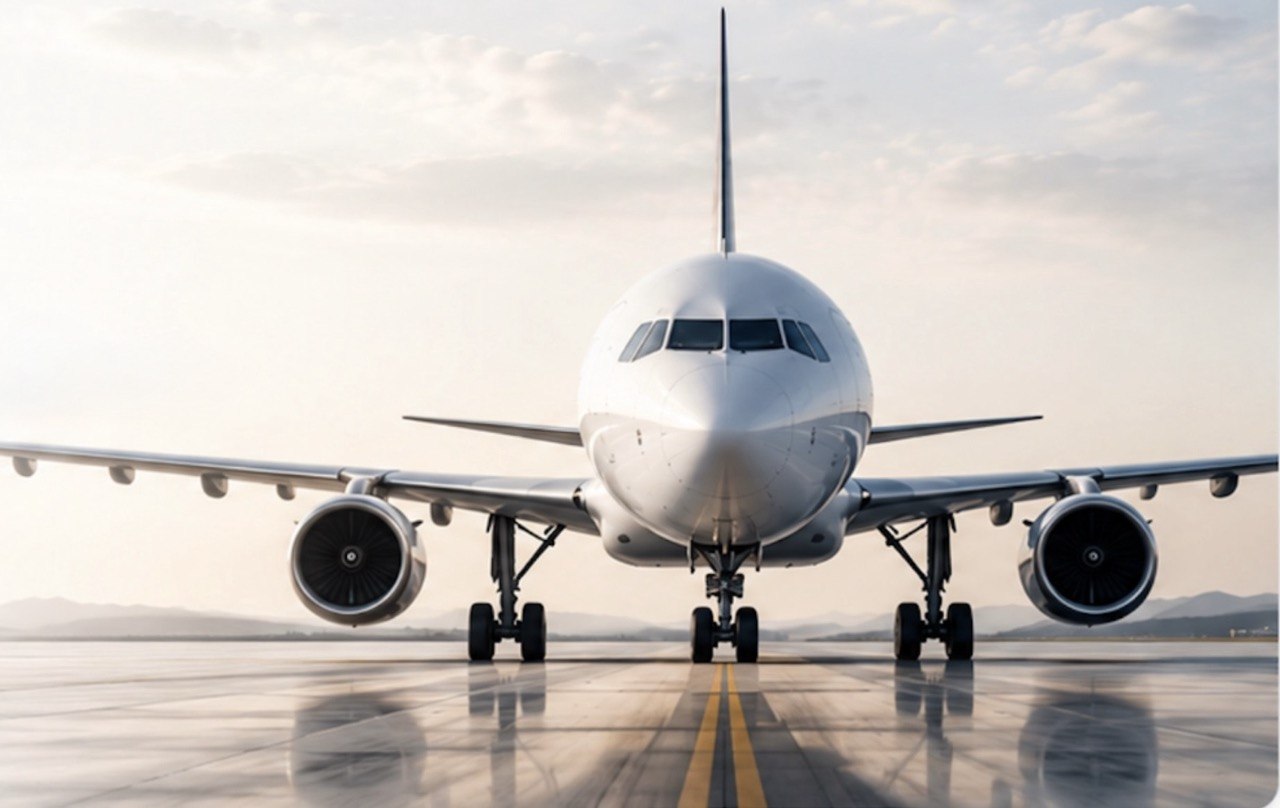
This is done by performing tests both in manufacturing plants, test centers, and offices around the world, where manufacturers such as Boeing and Airbus prove that they are adhering to multiple technical requirements by conducting tests on the ground and in the air. The certification progressively has grown highly tough, especially in the wake of high-profile safety events, as regulators have become more restrictive, adding an independent audit and increasing the evaluation period. As reported by Reuters and supported by manufacturer disclosures, the process can take 5–10 years and cost billions of dollars, reflecting its critical role in safeguarding passengers and maintaining trust in global aviation.
Design Approval and Flight Testing
The certification journey begins at the design stage, where manufacturers submit detailed engineering data to regulators for approval under frameworks such as the FAA’s Type Certification process. In the Boeing technical documentation, this is achieved by proving adherence to airworthiness criteria related to structural integrity, aerodynamics, avionics, and system redundancy.
After the initial approval has been obtained, prototypes are then subjected to ground and flight testing. In its certification briefings, Airbus reports that aircraft have been subjected to extreme stress tests such as wing flex tests, engine durability tests, and environmental tests. Flight testing alone can involve thousands of hours in the air, assessing performance across various conditions. According to Reuters coverage of the aircraft certification programs, the regulators also pay close attention to these tests and, in most cases, they place their own inspectors in teams of manufacturers to make sure that the tests are conducted in the most transparent way possible.

Regulatory Supervision and Post-Crisis Reforms
The certification systems have changed drastically over the past few years, especially after safety crises. The Boeing 737 MAX accidents led to a worldwide re-evaluation of the certification procedures, and the regulators brought in a new level of scrutiny and minimized the delegated power that had been given to manufacturers. According to Reuters, agencies such as the FAA and EASA have since made bigger strides in direct participation in testing and certification, which have prolonged the certification process of new aircraft programmes.
Certification today, statistically, entails multiple personal compliance inspections and paperwork audits. IATA has highlighted in its safety reports that these overlapping processes have resulted in the aviation industry having a low rate of accidents that are normally less than one in every million flights. Further, administrative modifications consist of the increased cross-agency cooperation, in which the aircraft programs are reviewed by the regulators of other regions to maintain the uniformity of safety standards.
Although this has been via tight systems, certification failures and lapses have taken place, which has influenced the current regulatory environment. The most notable crisis is the Boeing 737 MAX crisis due to which the flaws of the design and the misconduct of the certification agencies caused the worldwide groundings and far-reaching reforms. According to Reuters, the inspection showed a lack of controls and overreliance on manufacturer self-certification, which led to a transition to a more independent regulatory control.
In other cases, smaller operators and component producers have been fined because they have falsified certification documents or have not followed the standards of maintenance. These incidents, though not widely reported, highlight the need to always monitor once the certification is done. This has made regulators tighten audit controls and provide more serious repercussions to discourage such contravention, to ensure that certification is not a one-off blessing but a continuous obligation.
Industry Perspective
In a public statement about certification standards, Guillaume Faury, Airbus CEO, wrote:
Aviation trust has its basis in certification. It is an activity that has to be constantly improved to be able to keep up with technological intricacy and provide an uncompromising safety.
Looking Ahead
The airplane certification has become one of the most elaborate regulations in any business that takes years of testing, billions of dollars in infrastructure, and thousands of compliance inspections. The recent reforms have increased the length of certification schedules and increased oversight in terms of a more conservative and open-minded approach. As the world fleet is growing and new technology finds its way into service, regulators are still streamlining frameworks in order to keep the aviation industry with its good safety record. In a business that is based on being precise, certification is the final gatekeeper- it makes sure that all aircraft flying in the skies are the best in terms of safety and reliability.
Join the conversation
No comments yet
Be the first to share your thoughts!
Sign In to Comment