
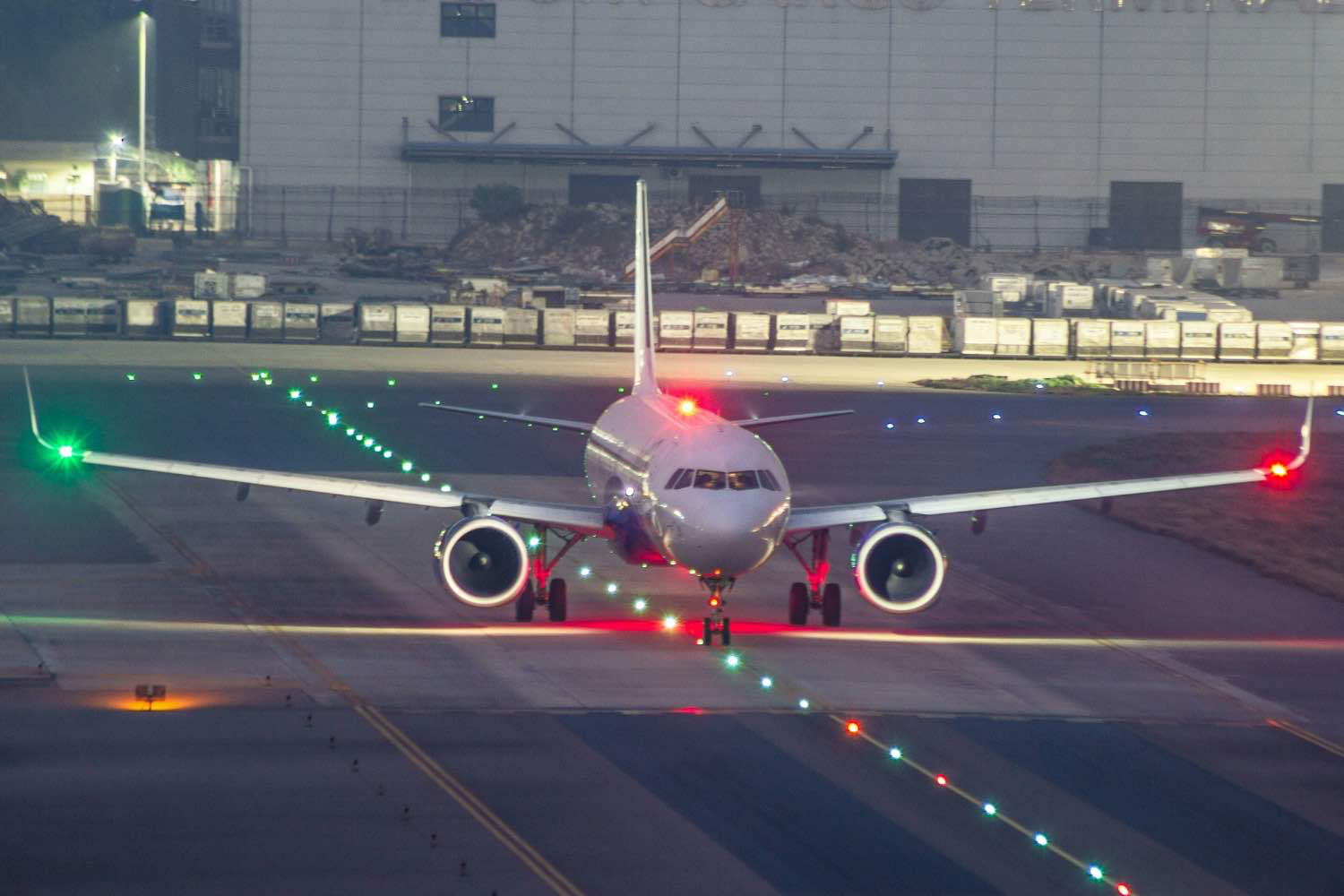
For many passengers, the moments before landing can be confusing. The plane descends, the city appears below, but instead of landing, it starts to circle.
September 20, 2026 • Avionyz
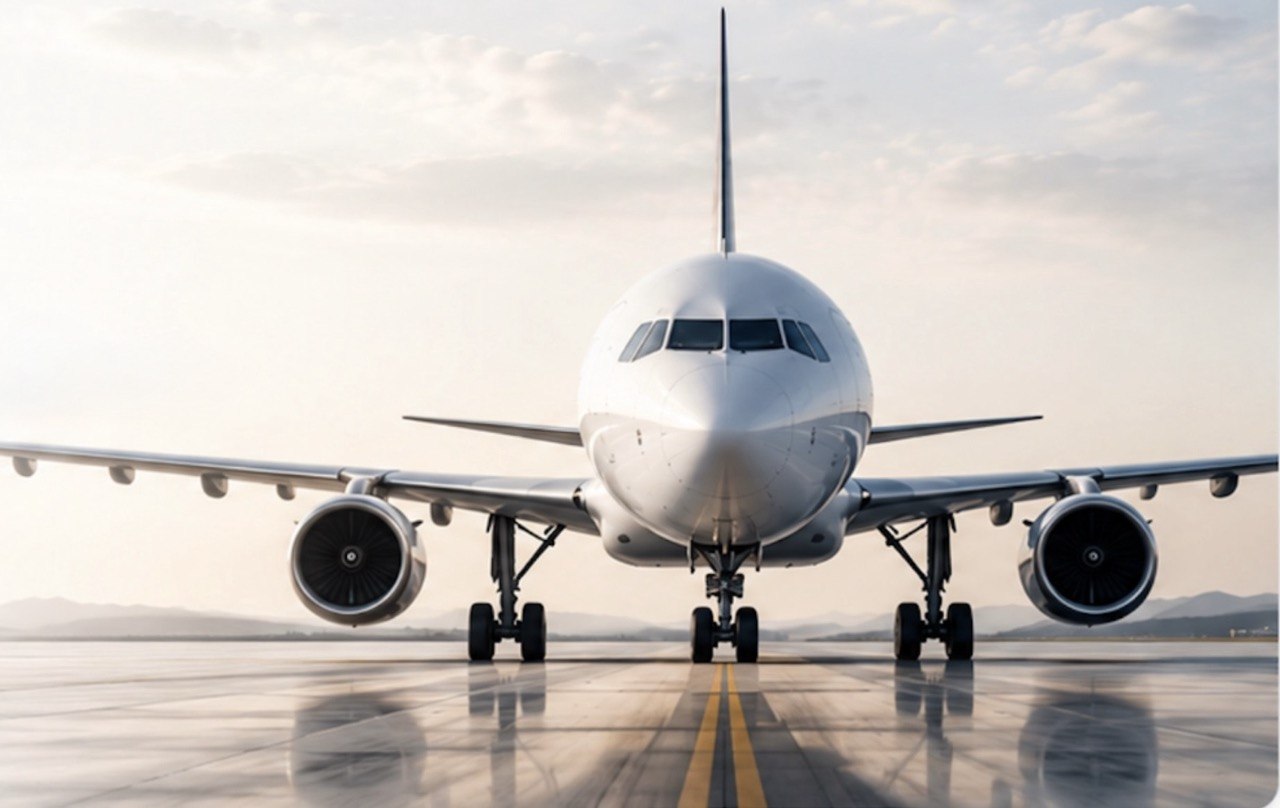
What seems like a delay is actually an important part of air traffic management. Since planes cannot line up in the sky, holding patterns help manage the flow of arrivals safely.
MANAGING CONGESTION IN BUSY AIRSPACE
Commercial airports have set limits on how many planes they can handle. Runways can only accept a certain number of arrivals each hour, with planes spaced just seconds apart for safety.
But incoming flights almost never arrive at perfectly timed intervals. Planes come from different directions, at different speeds, and in all kinds of weather. When there are too many planes for the runway, air traffic controllers send them into holding patterns, which are set loops near the airport.
These patterns work like traffic control in the sky. As one aviation expert told CNN, they are basically “a sort of traffic light for airplanes,” helping controllers manage arrivals safely.
Planes are usually arranged at different heights, about 1,000 feet apart, and are cleared to land one after another.
WEATHER, RUNWAYS AND UNPREDICTABILITY
While crowded skies are the main reason for holding, weather is just as important. Poor visibility, strong winds, or storms can limit how many planes can land, slowing arrivals and making planes wait.
Other problems, like runway checks, technical issues, or emergency landings, can also cause short-term delays.
In aviation, even small problems can quickly affect busy flight schedules, especially at crowded airports like Heathrow or Mumbai, where landing slots are hard to get.
WHY AIRCRAFT DESCEND EARLY
Passengers often ask why planes drop to lower altitudes before circling, instead of waiting higher up.
The reason is to be ready for landing. Planes are directed into holding areas that match the usual approach routes, so they can land quickly when it is their turn.
Descending early also helps pilots save fuel by following planned descent paths, which balances efficiency with following air traffic instructions.
Being closer to the airport means planes can respond faster and makes it easier for controllers to manage several arrivals at once.
THE COST OF CIRCLING
Holding patterns are needed, but they are not efficient. Flying lower uses more fuel and creates more emissions because of increased drag.
Aviation experts told CNN that holding is seen as a last-resort way to manage traffic because it is so inefficient.
For airlines, this means higher fuel costs, possible delays, and less use of their planes. On busy routes, even small delays can spread through the network, affecting how full flights are and profits.
For passengers, circling usually adds 10 to 30 minutes to their trips and can lead to missed connections.
INDUSTRY CONTEXT: GROWTH MEETS CONSTRAINT
The common use of holding patterns shows bigger problems in aviation. More people are flying, but airports are not expanding fast enough to keep up.
In India, where domestic flights are growing quickly, crowded airports make careful air traffic management even more important. Busy skies in Europe and parts of Asia face the same challenges.
Airlines are adding more planes and improving routes, but these plans only work if airports and airspace are managed well.
Regulators like ICAO, DGCA, and FAA are working on better traffic flow systems, including new tools to cut down on circling in the air.
ALTERNATIVES AND TECHNOLOGICAL SHIFTS
To reduce circling, the industry is trying new ideas like 'linear holding,' where planes slow down or take longer routes before arriving at the airport.
Systems like Eurocontrol’s 'point merge' let planes stay higher up and join landing lines more smoothly, which saves fuel and cuts down on noise.
Another approach is to hold flights on the ground at their departure airports, which is used more often in the United States to prevent crowded skies.
WHAT IT MEANS FOR THE FUTURE
As air travel grows, it will get harder to balance demand with airport capacity. Holding patterns will still be needed, but technology should change how they are used.
Better data sharing, smarter predictions, and improved air traffic coordination could help schedule arrivals more precisely, so planes do not have to circle as much before landing.
In aviation, where every minute and every bit of fuel counts, making arrivals more efficient could be just as important as improving flight itself.


Join the conversation
No comments yet
Be the first to share your thoughts!
Sign In to Comment