

May 16, 2026
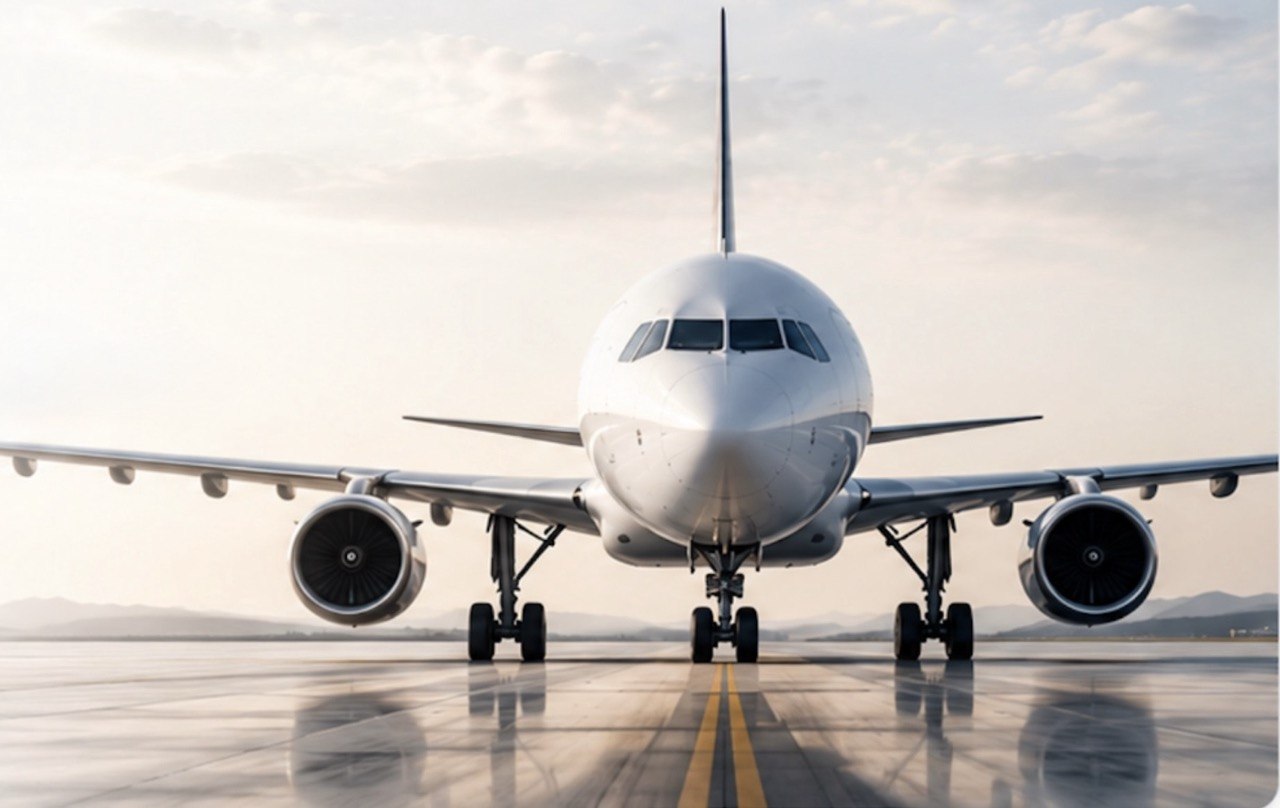
Designing a commercial aircraft costs between $15–20 billion and takes 10–20 years, even before a single aircraft is sold. It does not begin with engineering, but economics. Boeing and Airbus take years to examine passenger traffic, airline economics, and route data before investing in a new aircraft program. In the official design documentation from Airbus, the concept phase involves market exploration of industry expectations and the integration of technological, structural, and systems options into a complete aircraft concept.
According to Interesting Engineering, design is shaped by market competition as well, as with the Airbus A380, which dates back to 1988. This was when European engineers began planning to develop an ultra-high-capacity airliner to compete with Boeing's 747. In the meantime, Boeing in the early 2000s had found a niche in the less fuel-intensive, mid-sized widebody that could serve point-to-point services and became the 787 Dreamliner.
Building the Machine: Aerodynamics and Digital Design
When a market case has been verified, engineers go into conceptual design, which involves drawing fuselage forms, wing configurations, and engine locations, among others. All configurations are then tested using computational Fluid Dynamics (CFD) simulations and wind tunnel tests before any physical component is produced.
According to NES Fircroft, the Boeing 777, which began its services in 1995, was the first all-digital designed commercial aircraft in the world, based on CATIA 3D-CAD software. In the design, Boeing had consulted eight major airlines, including British Airways and ANA. The outcome: a twin-engine wide body of up to 325 passengers whose seat-mile cost is 10 percent lower than the competitors.
Key Insight
- the Boeing 777, the world's first fully digitally designed aircraft, eliminated the need for expensive physical mock-ups and permanently changed how commercial jets are built.
Construction of the Aircraft: Assembling, Wiring, and Composites
Detail design translates every engineering drawing into a physical part. Each component, from the smallest fastener to the 80-metre wingspan of the A380, is designed, specified, and assigned to either an in-house team or a subcontractor. As per Boeing's gated development process documentation, every proposed design change passes through more than a dozen separate gate reviews conducted by program leaders, technical experts, and outside specialists, including retired Boeing executives and supplier partners. This gate structure was formally codified following lessons learned from the 787 program.
Composite materials are highly important in modern aircraft. According to Boeing's press release, the Boeing 787 Dreamliner, which ANA started to use in 2011, is 50% weight-composite based, and this design feature allows it to achieve a 20% reduction in fuel consumption compared to earlier-generation jets. This was further extended to a composite weight of 53% in the Airbus A350 XWB.
The assembly of the A380 was a transcontinental affair. Fuselage parts were barged down the Garonne River in France and hauled in via trucks on specially enlarged roads to Toulouse. It's 500 kilometres of internal wiring, cited by Business Traveller as one of the reasons behind the two-year schedule slippage and a cost increase of 6.1 billion dollars. The plane was introduced in Singapore Airlines in October 2007 with a capacity of 853 passengers, the largest commercial aircraft ever to be constructed.
Key Insight
delays on the A380 (two years, $6.1 billion over budget) and the 787 (four years late) both originated in concept-stage decisions about manufacturing complexity that compounded through every subsequent phase.

Industry Voice
In an interview with Aviation Week Network (July 2022), Greg Hyslop, the former Chief Engineer of Boeing, observed that
The next step of the airplane design should directly connect digital models to factory systems: When we have a change in the airplane, we can see how that changes the factory.
He attributed the delays in 787 to the lessons institutionalized that championed the present Model-Based Engineering shift at Boeing.

Looking Ahead
Initially, aircraft design was the most complicated engineering relay race of the civilisation, going from a market spreadsheet to a maiden flight. As per the reports of Simple Flying, the 787 is now serving 5 of the most famous ten-hour long-distance flights in the world. The retired A380 had 250+ deliveries and is the largest commercial aircraft ever to fly. The cycle is already repeating itself as Airbus's next-generation narrowbody (claiming 20% burn reduction and service entry of 2030) already takes off. The skies don't wait, and neither do the engineers who build the machines that conquer them.
Join the conversation
No comments yet
Be the first to share your thoughts!
Sign In to Comment