

Modern aircraft have always relied on multiple layers of safety, from redundant flight controls to sophisticated navigation systems. In recent years, however, general aviation and business aircraft have become testing grounds for technologies that go beyond traditional safeguards.
September 23, 2026 • Avionyz
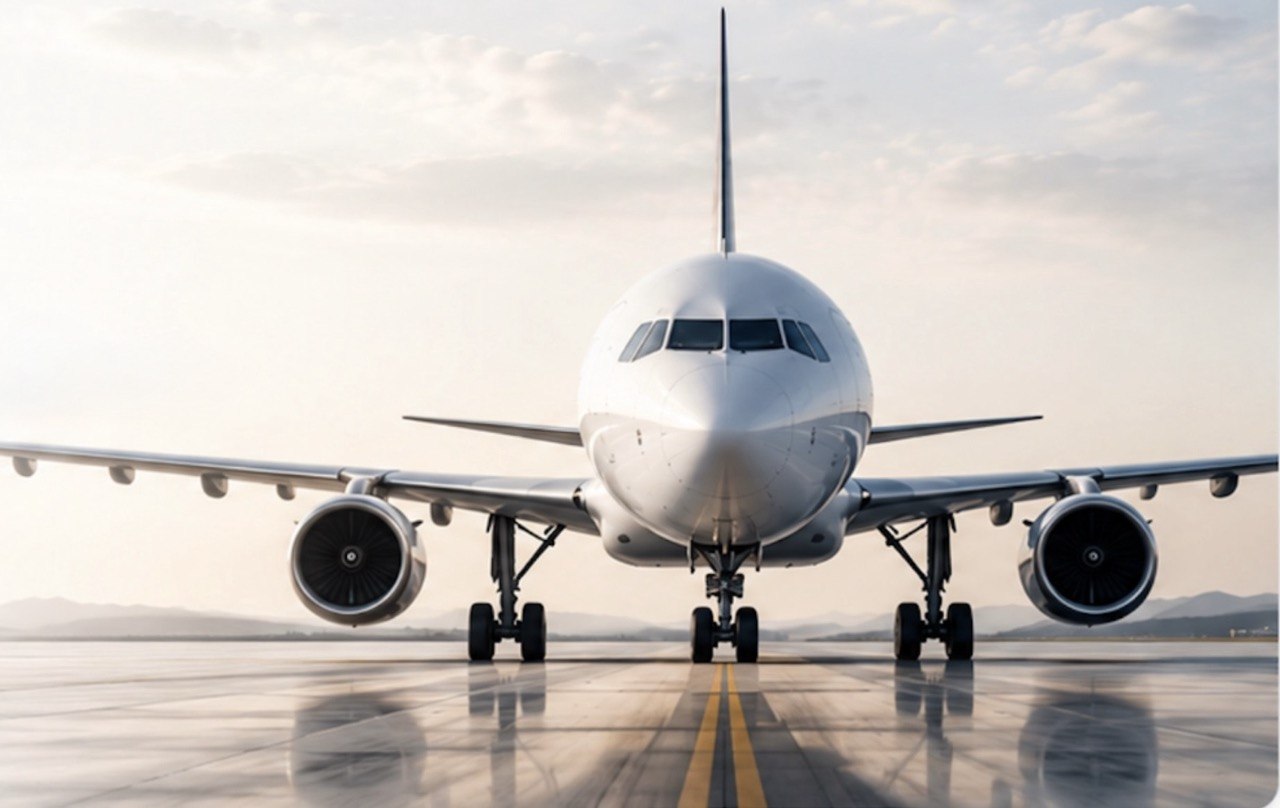
Many of these innovations first appeared in private aircraft because certification and integration can be faster in smaller fleets. Several are now influencing the wider aviation industry by demonstrating how automation, sensors and real-time data can improve decision-making without replacing the pilot.
Here are five technologies that are reshaping flight safety in modern general aviation.
Emergency autoland brings a new layer of protection
One of the most significant advances in recent years is the introduction of emergency autoland.
Unlike conventional autopilot systems, emergency autoland is designed for situations in which the pilot is no longer able to fly the aircraft because of illness or incapacitation. Instead of relying on passengers with little or no flying experience, the system can take control of the aircraft and complete the landing sequence automatically.
One of the best-known examples is Safe Return, available on the Cirrus Vision Jet.
According to Cirrus Aircraft, passengers can activate the system by pressing a dedicated button in the cockpit. Once engaged, the aircraft automatically identifies a suitable airport, communicates with air traffic control where possible, navigates to the destination, lands and brings the aircraft to a complete stop.
The technology is powered by Garmin Autoland, which became one of the aviation industry's first certified emergency autoland systems.
Commenting on the certification, Phil Straub, Executive Vice President and Managing Director of Aviation at Garmin, said the company and Cirrus had worked together to deliver safety-enhancing technologies, with Garmin Autoland becoming another milestone in that partnership.
Emergency autoland does not replace pilot responsibility. Instead, it provides an additional layer of protection during rare but potentially catastrophic events.
Enhanced vision improves visibility beyond the human eye
Poor visibility remains one of aviation's biggest operational challenges. Fog, haze, smoke and heavy precipitation can all reduce a pilot's ability to identify terrain, runways and surrounding traffic.
Enhanced Vision Systems (EVS) address this challenge by combining infrared sensors, cameras and imaging technology to create a clearer picture of the environment ahead of the aircraft.
Rather than depending solely on natural vision, pilots receive additional visual information through cockpit displays.
The technology has been adopted by several business aircraft manufacturers, including Gulfstream, Bombardier and Embraer.
According to industry information cited by aircraft manufacturers, Enhanced Vision Systems help improve:
- Situational awareness
- Decision-making during low visibility operations
- Runway identification
- Overall flight safety
Several Gulfstream aircraft, including the G450, G550 and G650, feature enhanced vision technology as standard equipment, while earlier models introduced it as an optional capability.
Today, EVS has become an integral part of modern avionics rather than a standalone safety feature.
Synthetic vision creates a digital picture of the world
If enhanced vision helps pilots see through weather, Synthetic Vision Systems (SVS) go a step further.
Instead of relying on cameras alone, synthetic vision combines information from GPS, terrain databases and inertial reference systems to generate a three-dimensional representation of the outside environment.
The display shows terrain, runways, obstacles and surrounding geography even when visibility outside the cockpit is poor or completely absent.
According to Honeywell, its SmartView system synthesises information from multiple onboard databases into an easy-to-understand three-dimensional rendering of the terrain ahead.
The technology offers several operational advantages:
- Improves situational awareness
- Reduces pilot workload
- Helps minimise technical flight errors
- Displays obstacles and surrounding terrain
- Depicts airport and runway environments
- Supports head-up display symbology
- Maintains awareness regardless of daylight or weather conditions
Unlike enhanced vision, which depends on sensors viewing the outside environment, synthetic vision builds its picture from stored terrain data and aircraft positioning systems.
Together, the two technologies can complement each other during demanding flight conditions.
Hypoxia detection can intervene before an emergency develops
Cabin pressurisation failures at high altitude can lead to hypoxia, a condition caused by insufficient oxygen reaching the brain.
If not recognised quickly, hypoxia can impair judgement and eventually incapacitate the flight crew.
Some modern aircraft now include automated systems designed to detect pilot inactivity associated with hypoxia.
According to information published by Cirrus Aircraft, the technology continuously monitors pilot interaction after activation.
The process typically follows several stages:
- System arms above 14,900 feet
- Pilot inactivity triggers alerts
- Warning messages are issued
- If no response is detected, Emergency Descent Mode (EDM) activates
- The aircraft descends automatically to a safer altitude where supplemental pressurisation is no longer required
The objective is straightforward. If the pilot cannot respond, the aircraft takes action before the situation becomes critical.
The technology demonstrates how modern automation increasingly focuses on assisting pilots during rare emergency scenarios rather than routine flight operations.
Engine monitoring shifts maintenance from reactive to predictive
Engine reliability remains central to flight safety.
Modern aircraft increasingly rely on engine health monitoring systems that continuously collect and analyse operational data throughout every flight.
Instead of waiting for mechanical issues to become visible during inspections, onboard sensors monitor critical engine parameters in real time.
According to aircraft manufacturers, these systems help operators:
- Detect abnormal engine behaviour earlier
- Reduce the likelihood of engine failure
- Improve operational reliability
- Minimise unscheduled maintenance
- Increase flight efficiency
- Lower operating costs
The data collected during flight supports maintenance planning and enables engineers to investigate potential issues before they develop into larger technical problems.
This predictive approach has become increasingly important as aircraft operators seek to improve both safety and fleet availability.
Safety innovation continues to evolve
General aviation has often served as a proving ground for new cockpit technologies before they gain wider industry acceptance.
Systems such as emergency autoland, synthetic vision, enhanced vision, automated hypoxia response and predictive engine monitoring illustrate how safety innovation is increasingly centred on supporting human decision-making rather than replacing it.
Each technology addresses a different stage of flight, from preventing engine failures before departure to assisting pilots during low visibility approaches or responding automatically during medical emergencies.
As avionics continue to evolve, the focus is likely to remain on combining automation with pilot oversight, giving flight crews better information, greater situational awareness and additional safeguards when unexpected situations arise.


Join the conversation
No comments yet
Be the first to share your thoughts!
Sign In to Comment