

The aviation industry is accelerating efforts to integrate artificial intelligence into cockpit operations as technology companies test advanced automation systems designed to assist pilots and potentially reshape future flight operations.
May 25, 2026
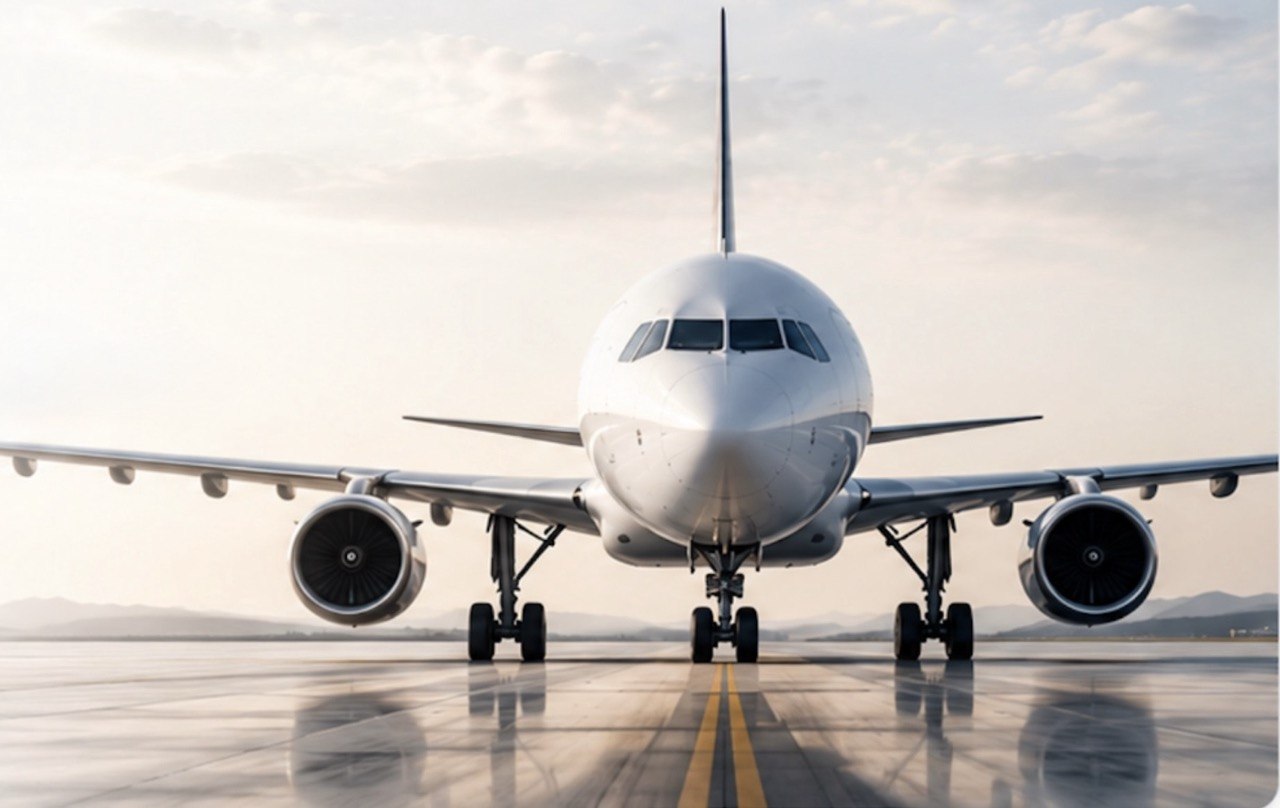
One of the latest demonstrations came from Merlin Labs, which conducted a test flight using an AI-assisted system aboard a Cessna Caravan aircraft in Rhode Island. During the experimental flight, many routine piloting tasks were handled by artificial intelligence rather than the human pilot in the cockpit.
According to CNN, the Merlin Pilot system went beyond conventional autopilot functionality by using natural language processing to interpret instructions from a mock air traffic controller and respond over radio communications using a computer-generated voice.
The demonstration highlighted the growing interest in AI-assisted aviation systems at a time when airlines worldwide are facing pilot shortages and increasing operational complexity.
Pilot shortages drive automation focus
The aviation sector has been under pressure to address long-term staffing challenges as passenger demand continues recovering across global markets.
According to Boeing’s projections cited by CNN, airlines will require more than 600,000 new pilots over the next two decades.
At the same time, aviation authorities are dealing with mounting strain on air traffic control infrastructure following a series of high-profile incidents and operational disruptions in recent years.
The push towards AI-supported systems is increasingly being positioned as a way to improve operational efficiency, reduce pilot workload and strengthen aviation safety oversight.
Key drivers behind the adoption of AI-assisted aviation technologies include:
- Global pilot shortages
- Increasing air traffic volumes
- Pressure on air traffic control systems
- Demand for operational efficiency
- Safety enhancement initiatives
AI systems move beyond traditional autopilot
Modern commercial aircraft already rely heavily on automation through fly-by-wire systems and advanced flight management technologies. However, emerging AI-based systems are being developed to manage a wider range of operational scenarios.
According to CNN, the Merlin system demonstrated capabilities including:
- Automated take-off assistance
- Route adjustments based on controller instructions
- AI-supported radio communication
- Flight path management during landing
- Real-time response to changing flight conditions
Mykel Kochenderfer, a Stanford University researcher focused on autonomous systems and aviation safety, told CNN that traditional cockpit automation typically operates within narrowly defined parameters, while newer AI-assisted systems are designed to handle more unpredictable situations.
He stated that the technology shows promise for enhancing safety, although additional testing and trust-building will be necessary before broader industry acceptance.
Regulators and airlines assess future role of AI
The adoption of AI in aviation is also receiving attention from policymakers in the United States.
According to CNN, US Transportation Secretary Sean Duffy has promoted the use of artificial intelligence tools as part of broader efforts to modernise the country’s ageing air traffic control infrastructure.
Duffy said controllers would continue managing national airspace, but AI could help improve efficiency and reduce operational workload.
At the same time, aviation labour groups continue stressing the importance of maintaining human oversight in commercial flight operations.
Capt. Jason Ambrosi, president of the Air Line Pilots Association, which represents more than 79,000 pilots in the United States and Canada, told CNN that automation should support pilots rather than replace them.
He stated that trained pilots remain the aviation industry’s most important safety feature.
Certification challenges remain significant
Despite rapid advances in AI-assisted aviation systems, fully autonomous passenger flights remain distant from commercial deployment.
Merlin Labs said it has completed hundreds of test flights while working towards certification from the US Federal Aviation Administration. Regulatory approval processes for aviation systems remain among the strictest globally, requiring extensive testing, redundancy verification and operational analysis.
The company has also secured a contract worth more than USD 100 million with the US Air Force to eventually integrate the technology into C-130 cargo aircraft, potentially providing one of the first large-scale operational use cases for the system.
Industry experts note that military applications may serve as an early proving ground for advanced aviation automation before broader commercial adoption.
As airlines continue modernising fleets and operational systems, AI-assisted aviation technologies are expected to remain a major area of investment, particularly in safety management, pilot support systems and airspace efficiency initiatives.


Join the conversation
No comments yet
Be the first to share your thoughts!
Sign In to Comment