
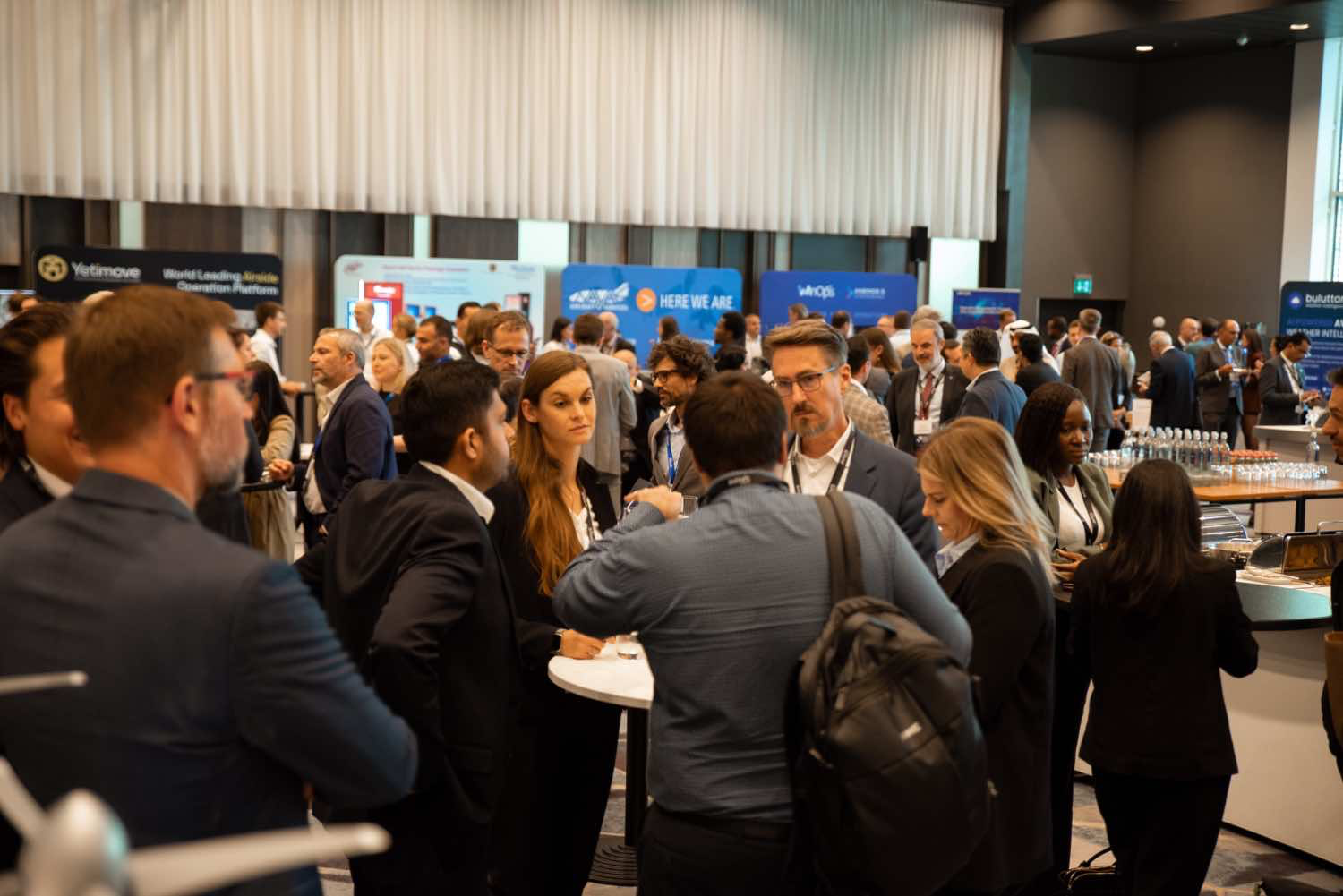
The Global Aviation Conference Frankfurt 2026 brought airlines, airports, MROs, manufacturers, technology companies and aviation leaders together around the questions shaping the industry’s next decade.
October 6, 2026 • Avionyz
For two days in Frankfurt, the aviation industry had something it rarely gets in one place: a broad cross-section of the ecosystem, and a programme willing to examine how its biggest challenges are connected.
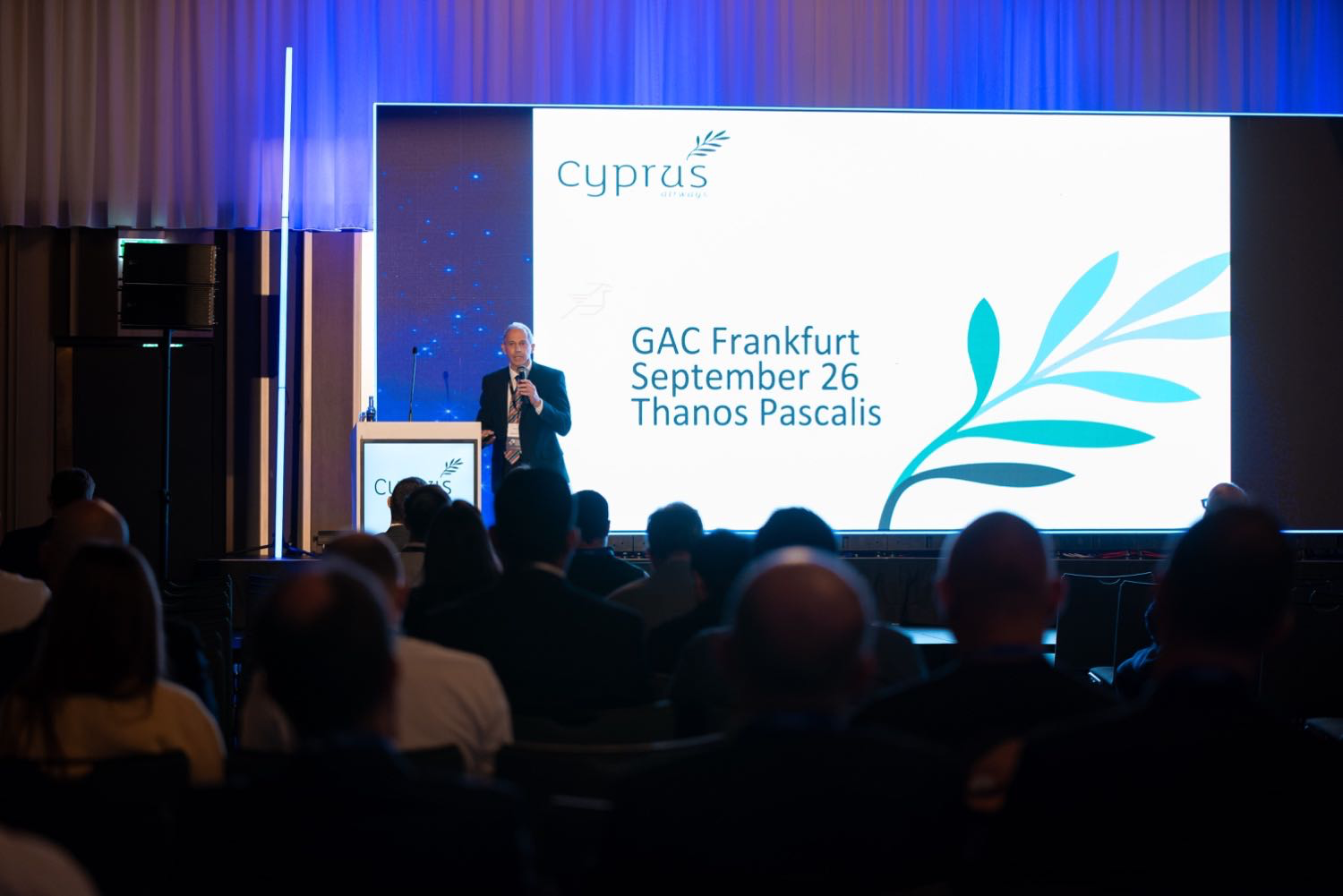
Organised by Aviovis Group on September 29 and 30 at the Frankfurt Marriott Hotel, Germany, the Global Aviation Conference Frankfurt brought together aviation leaders and decision-makers. Across 11 panel discussions, the conversation moved from sustainable aviation fuel and artificial intelligence to aircraft maintenance, airport innovation, workforce management, passenger experience, fleet financing and geopolitics.
What emerged was not one forecast for aviation’s future.
It was a picture of an industry trying to solve several futures at once.
From ambition to execution
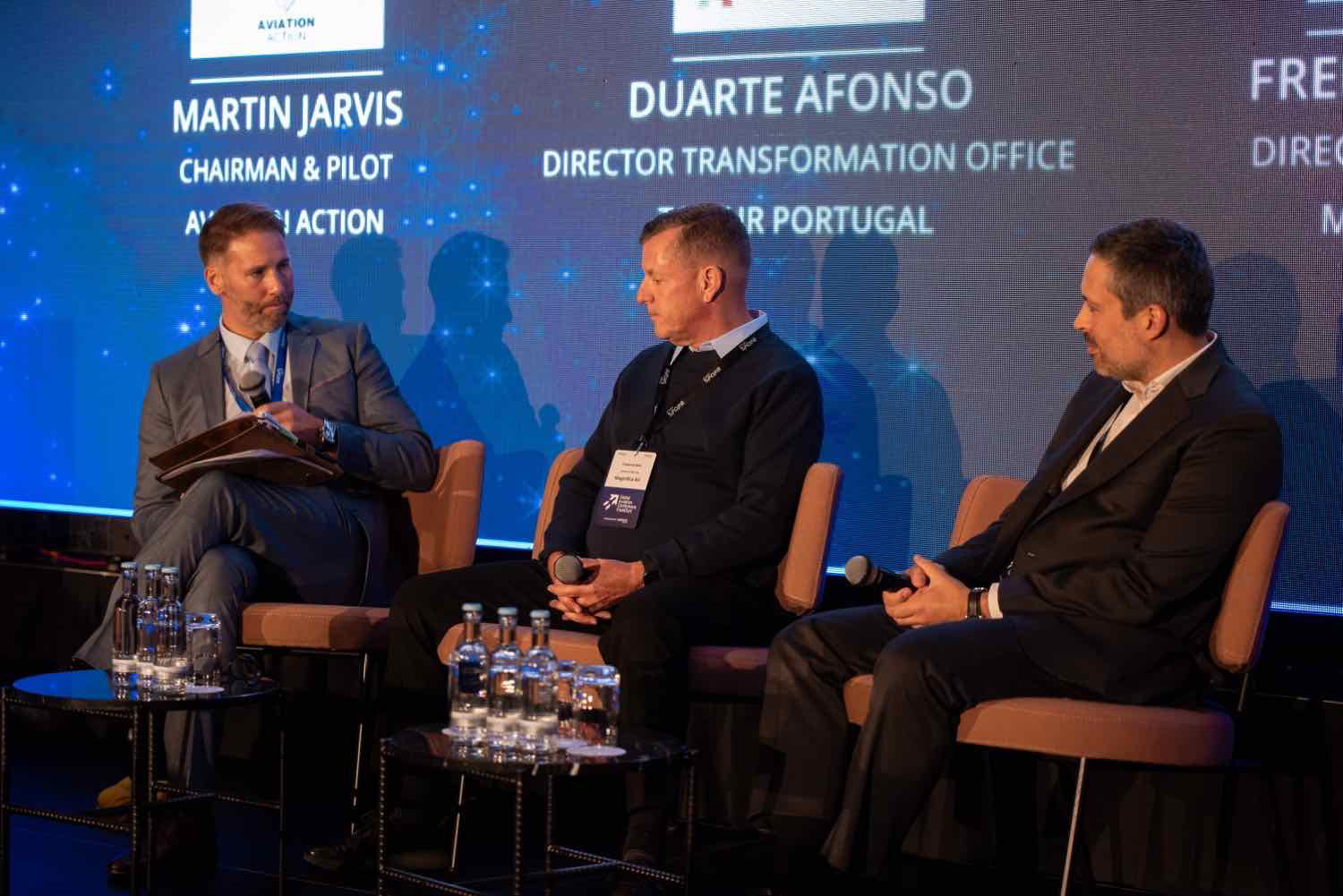
The conference opened with one of aviation’s most difficult questions: how realistic is the transition to sustainable aviation fuel?
The discussion around SAF reflected a wider challenge facing the industry. Aviation’s sustainability ambitions are increasingly clear. The harder questions concern availability, economics, infrastructure, regulation and the pace at which solutions can scale.
The same tension appeared in the conversations around artificial intelligence.
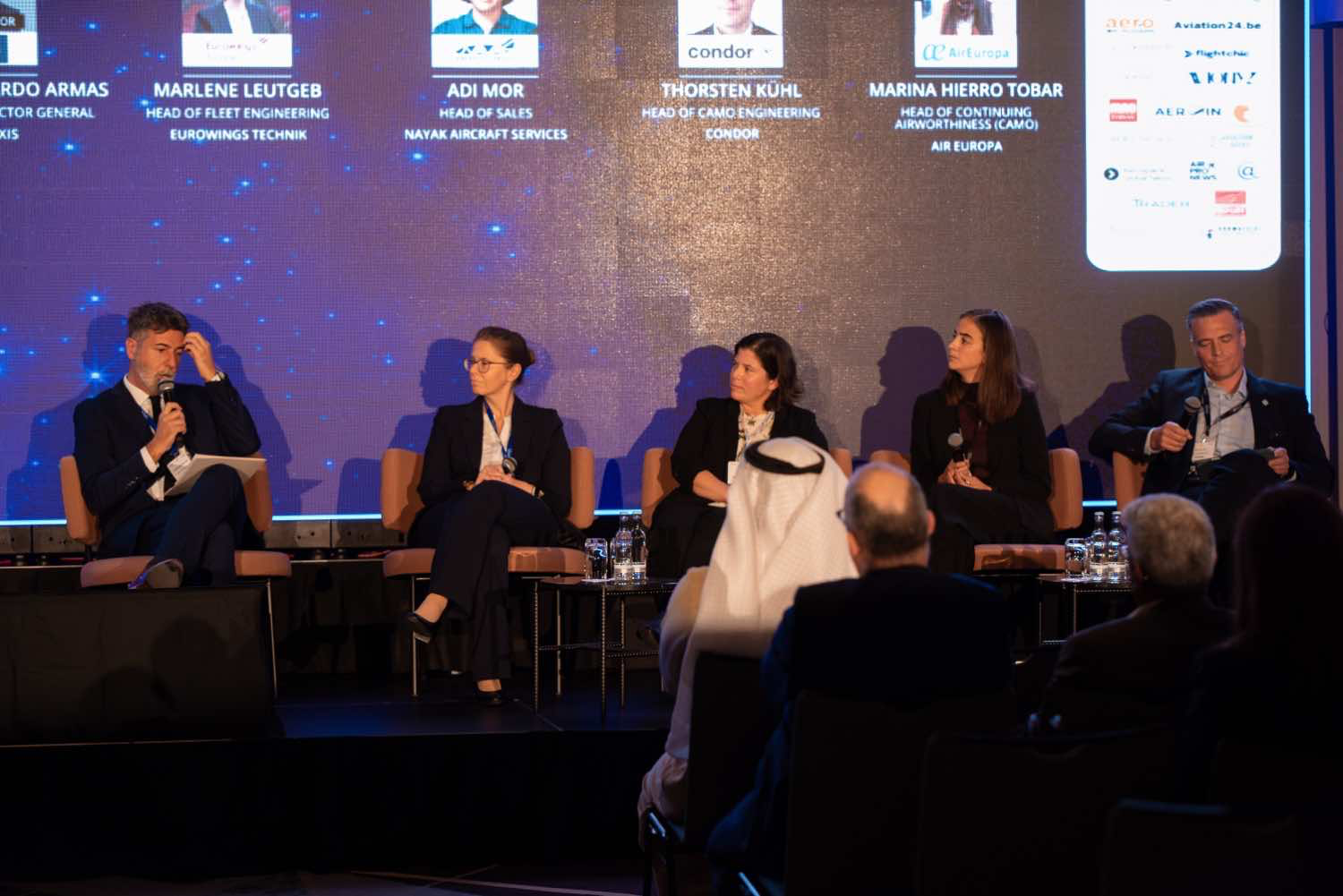
The panel on “Digitalization and AI in Airline Operations: From Data Foundations to Real-world ROI” focused attention on a question that is becoming more important as AI moves deeper into aviation: not whether the technology is impressive, but whether it can create measurable operational value.
Recognizing aviation’s innovators
The conference also recognized organizations contributing to the industry's transformation across technology, sustainability, operations and passenger experience:
-
Yeti Move — received the Smart Airport Solution Award for its contribution to smarter airport solutions.
-
Fraport AG — received the Future-Ready Airport Award for its work in advancing the airport of the future.
-
Lufthansa Group — received the Aviation Industry Excellence Award for its contribution to aviation industry excellence.
-
Qatar Airways — received the Airline Sustainability Leadership Award for its leadership in sustainable aviation.
-
Alaska Airlines — received the Crew & Workforce Innovation Award for innovation in crew and workforce management.
-
QUAVIS | Qualified Aviation Solutions — received the Passenger Experience Innovation Award for innovation in passenger experience.
-
Lufthansa Technik — received the MRO & Aftermarket Excellence Award for excellence across MRO and the aviation aftermarket.
-
Rebolt — received the Aviation AI Innovation Award for its application of AI across aviation operations and maintenance.
-
TestSolutions GmbH — received the Aviation Digital Transformation Award for its contribution to digital transformation in aviation.
-
Vertical Aerospace — received the Sustainable Aviation Technology Award for its work advancing sustainable aviation technology.
The aircraft on the ground matter too
Some of the conference’s most consequential conversations focused on what happens between flights.
The aviation aftermarket remains under pressure, with parts, engines, maintenance capacity and supply chains increasingly linked to commercial performance. Discussions on “The Aviation Aftermarket Under Pressure” and “Maintenance Matters” highlighted how aircraft reliability is no longer simply an engineering concern.
An aircraft that cannot return to service affects capacity, schedules, revenue and ultimately the passenger.
The conference brought together perspectives from organisations including Lufthansa Technik, Delta Air Lines, Air Europa, Condor, Eurowings Technik, Aer Lingus and Nayak Aircraft Services, reflecting the growing strategic importance of fleet and asset management.
Airports, people and passengers
The role of airports is changing as well.
The discussion on “The Evolving Role of Airports: Hubs of Innovation” explored how airports are becoming more than infrastructure. Technology, data, passenger flows, commercial development and operational efficiency are increasingly part of the same equation.
Yet for all the attention given to technology, the conference also kept people at the centre.
Crew welfare and workforce management received dedicated attention, reflecting an industry that remains deeply dependent on pilots, cabin crew, engineers, maintenance teams and operational professionals.
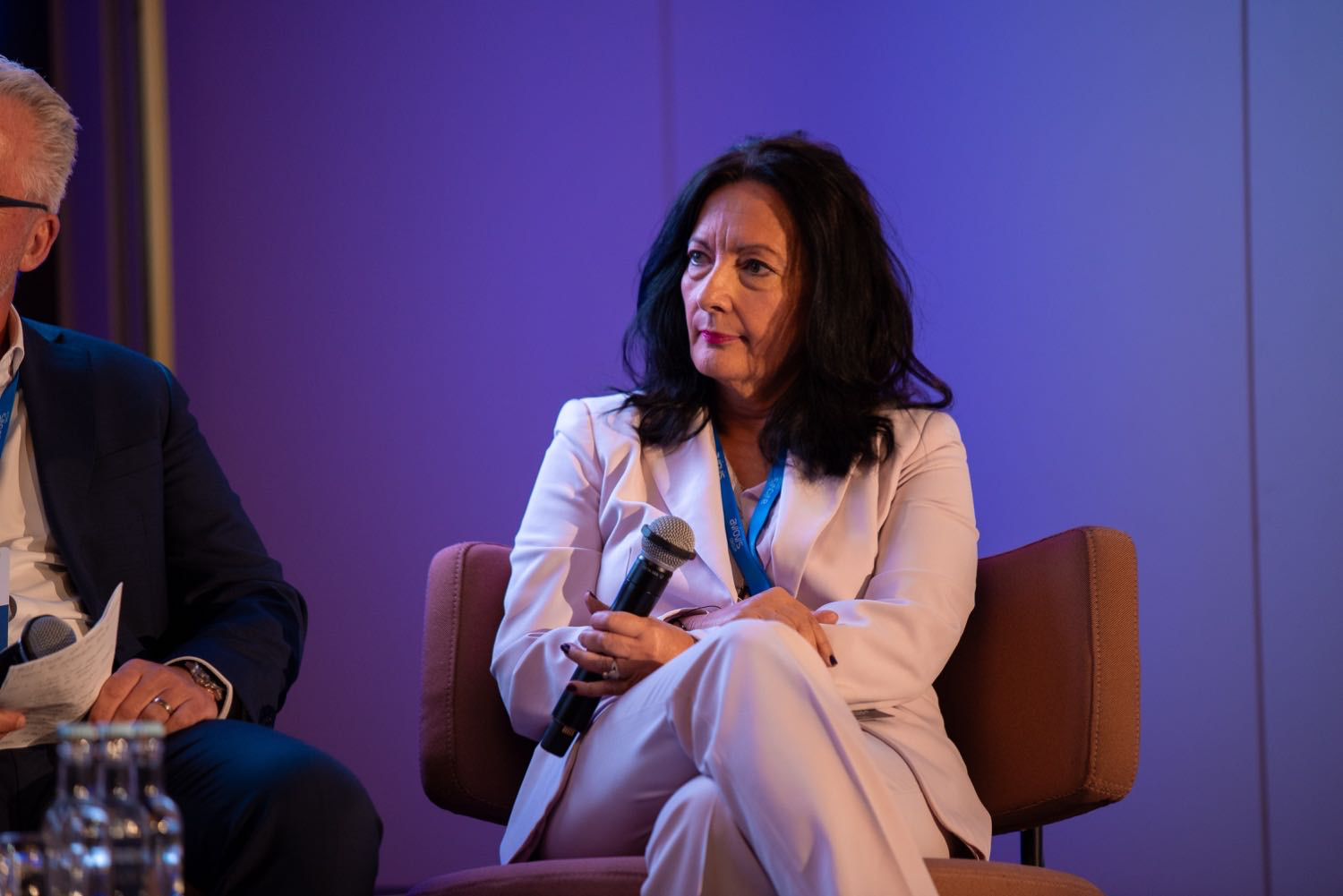
Passenger experience was examined beyond the aircraft cabin, recognising that the journey increasingly begins long before boarding and extends across every interaction between traveller, airline and airport.
Learning, financing and looking ahead
One of the programme’s more distinctive conversations was “Biggest Win and Biggest Mistake,” a reminder that aviation’s future is also shaped by the lessons organisations take from decisions that did not go according to plan.
The longer horizon came into focus through discussions on air travel in 2040 and the forces likely to reshape the industry over the coming years.
Financing was another part of that equation. The panel on “Financing the Future Fleet: Leasing, Capital & Risk in Aviation” examined the financial realities behind fleet growth and renewal, while the final Global Aviation Outlookpanel turned to geopolitical dynamics and their growing influence on aviation markets, operations and long-term strategy.
The conference also recognised organisations working across these areas, with awards presented to companies including Yeti Move, Fraport, Lufthansa Group, Qatar Airways, Alaska Airlines, QUAVIS, Lufthansa Technik, Rebolt, TestSolutions and Vertical Aerospace.
An industry preparing for several futures
The most significant takeaway from Frankfurt was not that aviation has discovered its next big trend.
It is that there may no longer be a single one.
The industry’s future will be shaped simultaneously by cleaner fuels, better data, stronger maintenance systems, smarter airports, resilient workforces, evolving passenger expectations, disciplined capital allocation and geopolitical uncertainty.
None of these developments exists in isolation.
That is what makes gatherings like the Global Aviation Conference valuable: they bring different parts of aviation into the same conversation and allow the industry to see its challenges from more than one perspective.
For Avionyz, as an official media partner of the conference, Frankfurt also represented what we believe industry media should do — follow the people, companies, ideas and conversations shaping aviation, and make those conversations easier to discover.
The aircraft may be what the world sees. But the future of aviation is being decided in the conversations around them.
Avionyz is proud to be an official media partner of the conference and will continue bringing the conversations, people and ideas shaping global aviation to our people.



Join the conversation
No comments yet
Be the first to share your thoughts!
Sign In to Comment