

For many young aviation enthusiasts, becoming a pilot represents freedom, prestige and the opportunity to travel the world. Social media, airline recruitment campaigns and cockpit videos often reinforce this image.
September 16, 2026 • Avionyz
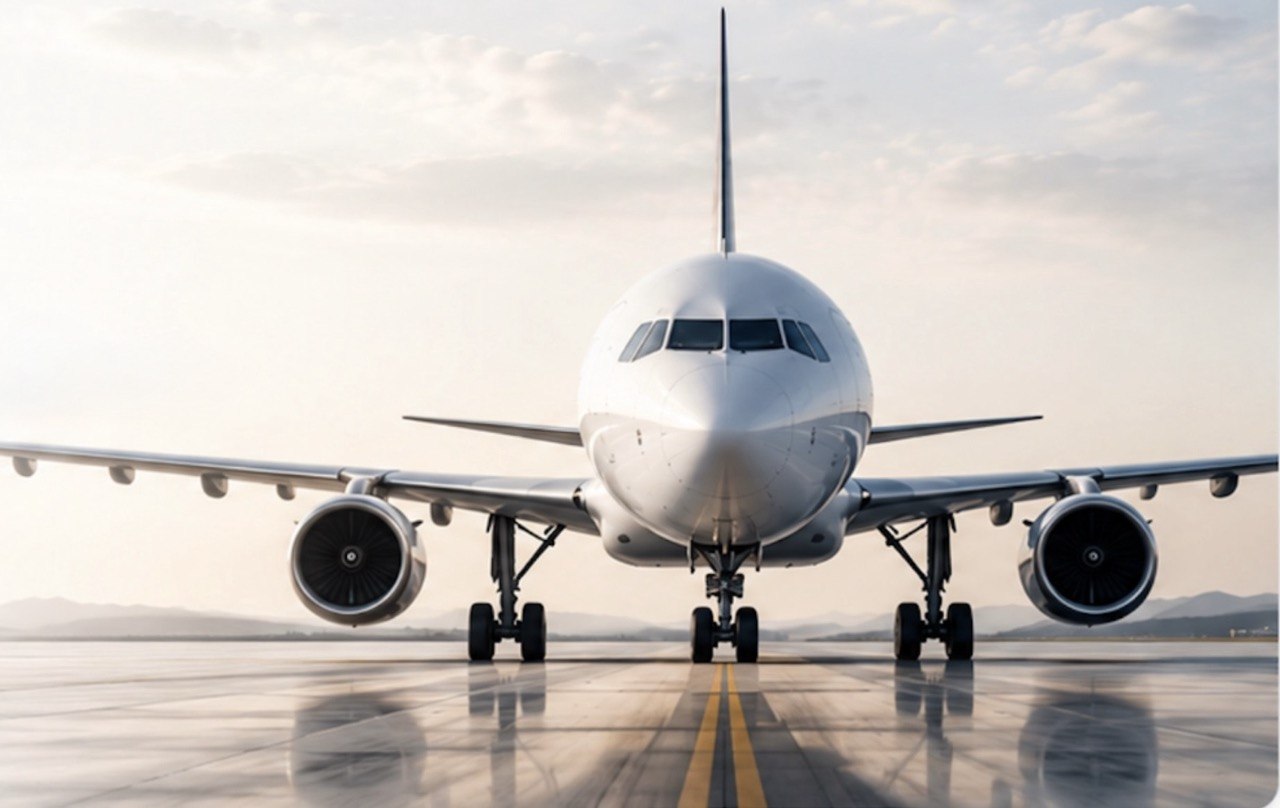
The reality is more demanding.
Industry experts and experienced airline pilots say the journey from student to airline cockpit requires far more than a passion for flying. It demands years of training, substantial financial investment, continuous learning and the ability to adapt to a lifestyle built around schedules rather than destinations.
One perspective comes from Ron Wagner, an aerospace engineer, Airline Transport Pilot (ATP) and Certified Flight Instructor (CFI), who shared his experiences on Quora, highlighting several misconceptions aspiring pilots often have about aviation careers.
Flying for personal convenience is harder than it appears
Many aspiring pilots believe earning a licence will allow them to travel freely with family or use aircraft for business.
According to Wagner, this expectation rarely matches reality.
A Private Pilot Licence (PPL) is only the beginning of the journey. Reliable travel in varying weather conditions requires additional qualifications, including an instrument rating, hundreds of flying hours and continuous proficiency.
Operating a private aircraft also involves ongoing expenses beyond purchasing an aircraft.
These include:
- Additional flight training
- Aircraft operating costs
- Maintenance expenses
- Insurance
- Fuel
- Instructor fees during advanced training
- Accommodation and travel costs while building experience
Wagner noted that only a small number of professionals, particularly those operating in remote locations with specialised business needs, are able to fully justify using private aircraft as an everyday business tool.
Building experience takes years
Aviation is an experience-driven profession.
Every additional licence, rating and endorsement requires time, money and flying hours.
For commercial airline careers, aspiring pilots generally progress through multiple stages before occupying the left or right seat of a passenger aircraft.
These typically include:
- Private Pilot Licence (PPL)
- Commercial Pilot Licence (CPL)
- Instrument Rating
- Multi-engine Rating, where applicable
- Type Rating on a specific aircraft
- Airline induction and line training
Each stage builds technical knowledge while adding operational experience.
Progress cannot be accelerated simply by obtaining licences. Flying hours remain one of the industry's most valuable qualifications.
Airline life is different from the public image
Passengers often see pilots during boarding and assume the profession revolves around travel and adventure.
Experienced airline pilots describe something different.
According to Wagner, the excitement of joining an airline is undeniable during the initial years.
Over time, however, the routine becomes highly structured.
Airline schedules are built around operational efficiency rather than sightseeing.
Pilots spend much of their working lives moving between:
- Aircraft cockpits
- Airport transport vehicles
- Hotels during layovers
Many destinations become workplaces rather than tourist attractions.
Irregular rosters, early morning departures, overnight duties and extended periods away from family become routine parts of the profession.
Professional responsibility never stops
Flying an aircraft is only one part of a pilot's job.
Airline pilots are also responsible for:
- Flight planning
- Weather assessment
- Operational decision-making
- Aircraft systems management
- Crew coordination
- Regulatory compliance
- Passenger safety
Training also continues throughout a pilot's career.
Pilots regularly undergo simulator sessions, medical examinations, proficiency checks and recurrent training to maintain operational standards.
Financial planning matters from the beginning
Pilot training represents one of the largest educational investments many students make.
Industry estimates suggest aspiring commercial pilots in India may spend ₹45 lakh to ₹55 lakh to obtain a Commercial Pilot Licence, depending on the flying school, aircraft used, location and other associated expenses.
Many students also undertake type rating after earning a CPL, adding another significant cost before becoming eligible to operate a specific commercial aircraft.
Financial planning therefore becomes an essential part of career preparation.
The rewards remain significant
Despite the challenges, aviation continues to attract thousands of aspiring pilots every year.
Global airline fleets continue to expand, particularly across Asia, creating long-term demand for trained flight crew.
The profession offers opportunities to operate sophisticated aircraft, work in an international environment and build a highly specialised career.
Industry observers note, however, that success belongs to those who enter aviation with realistic expectations rather than romantic assumptions.


Join the conversation
No comments yet
Be the first to share your thoughts!
Sign In to Comment