
September 15, 2026 • Parijat Sourabh

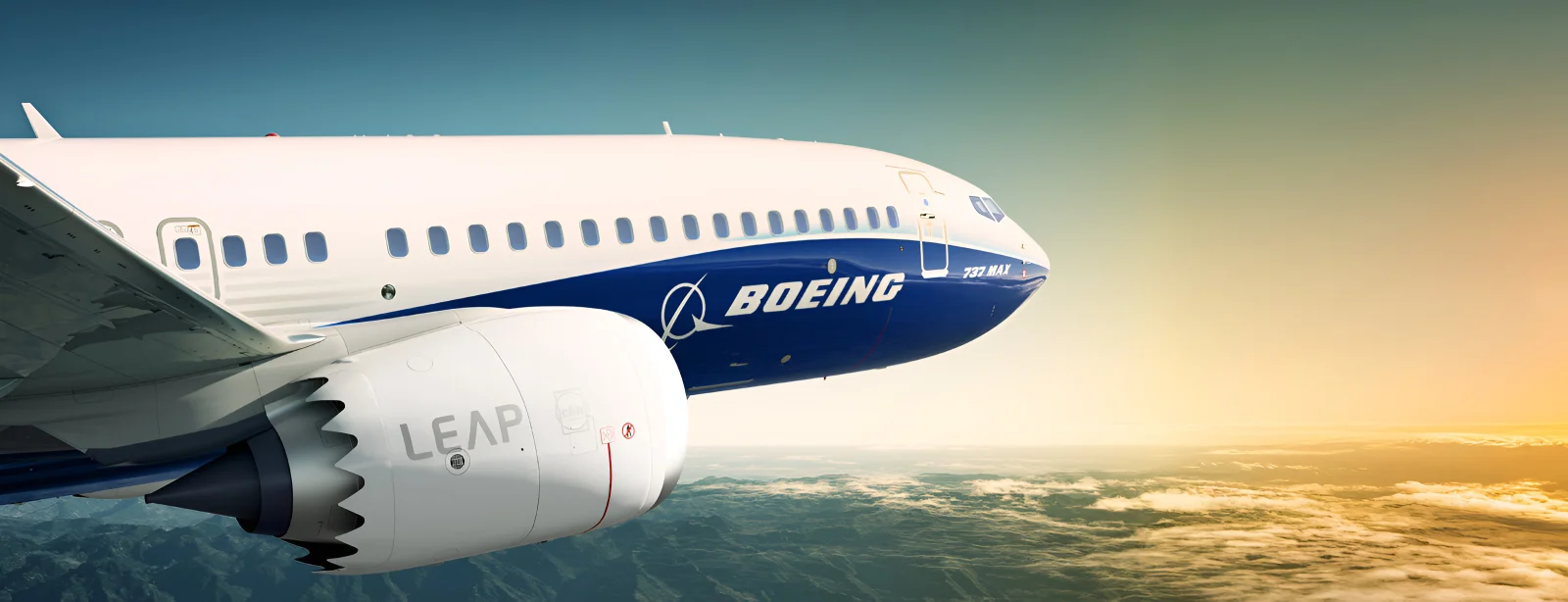
The exchange demonstrates Boeing’s ability to provide fully overhauled, Boeing-certified main and nose landing gear assemblies that are ready for installation, helping reduce aircraft on-ground time and ease spare-parts requirements for operators.
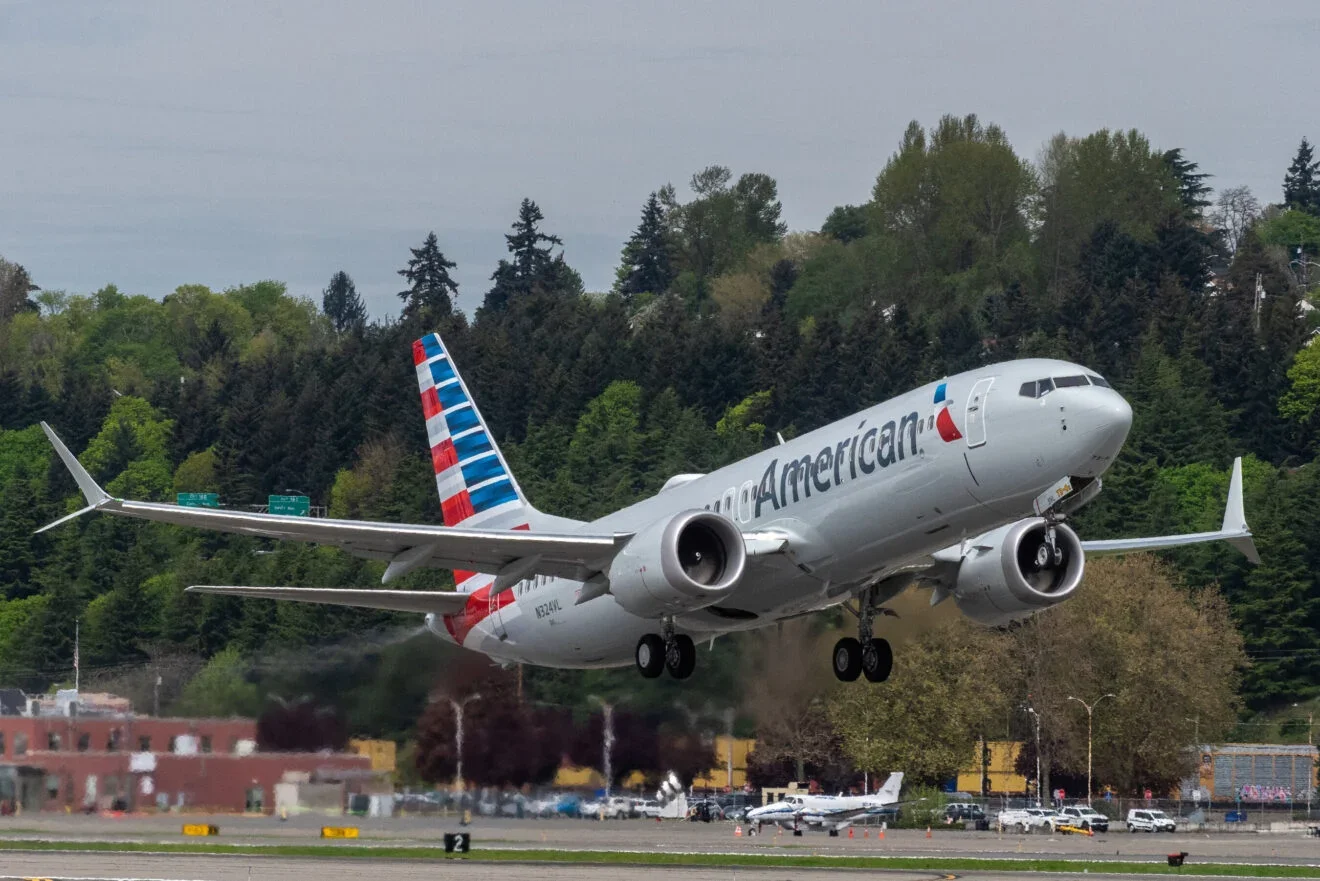
The Landing Gear Exchange Programme has long provided customers with an alternative to purchasing and storing expensive spare landing gear. The first 737 MAX exchange with American Airlines demonstrates that the programme’s model of overhauling, certifying and delivering ready-to-install assemblies can also support Boeing’s newest generation of single-aisle aircraft.
“This milestone reinforces what our customers have known for years: Boeing's Landing Gear Exchange capability delivers predictable, safe and cost‑effective outcomes,” said William Ampofo, senior vice president, Parts & Distribution and Supply Chain, Boeing Global Services. “Extending the programme to the 737 MAX gives operators another proven tool to shorten downtime, manage costs and align heavy maintenance with operational needs.”
For the completed 737 MAX exchange, Boeing supplied overhauled and certified main and nose landing gear assemblies with installation kits, excluding wheels, tires and brakes. The swap validated the end-to-end process, from technical overhaul and documentation to delivery, and demonstrated that the approach can be consistently applied to the MAX fleet.
Boeing said it is also expanding global overhaul capacity and working with certified MRO partners to increase geographic availability and reduce lead times. In the near term, the company plans to expand 737 MAX-capable exchange inventory, add forward-exchange slots closer to customer operations and track operational metrics to measure downtime and cost benefits as the programme scales.
By enabling a forward exchange of certified assemblies, Boeing’s solution helps airlines avoid lengthy in-place overhauls and the risk of extended groundings. Operators can shift from holding high-cost spare inventories to reserving forward-exchange slots, freeing working capital and improving fleet predictability. Boeing manages the technical overhaul, incorporation of applicable service bulletins, certification and supplier coordination, shifting inventory and obsolescence risks away from operators.



Join the conversation
No comments yet
Be the first to share your thoughts!
Sign In to Comment