
Loading Intelligence
The waiver will allow Boeing to continue selling the freighter for three years after new emissions rules take effect on January 1, 2028. Without the waiver, the rules would have barred sales of the aircraft, Reuters reported.
Boeing requested the waiver in December 2025, citing strong customer demand and delays in the certification of its next-generation freighter.
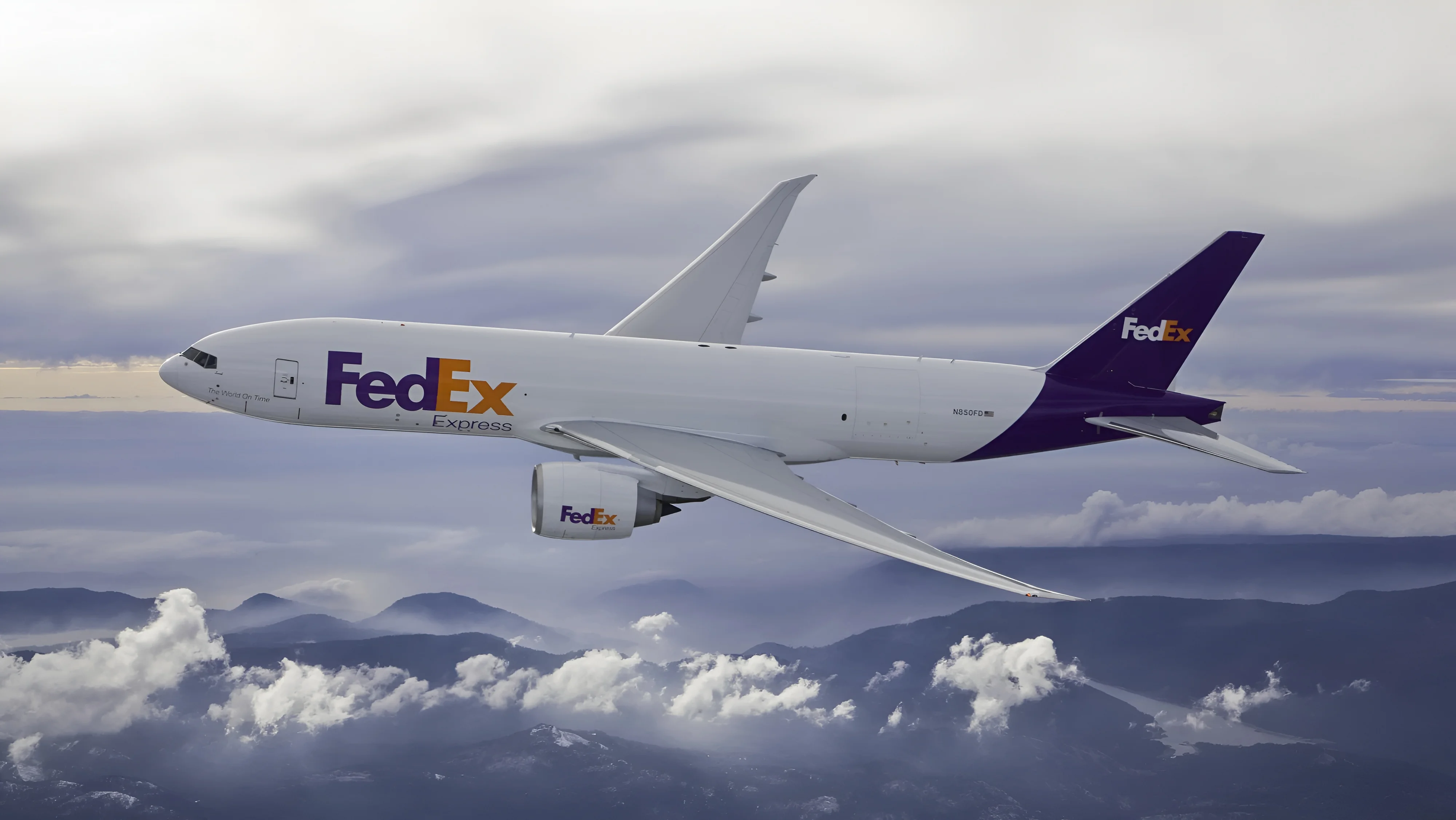
The 777F is currently the only large widebody freighter in production, while its next-generation replacement, the 777-8F, is not expected to enter service until around 2029.
Without the waiver, Boeing said it could have faced a gap in freighter production that would have put more than $15 billion in US exports at risk. The FAA said the waiver provides Boeing with flexibility amid uncertainty over the certification timeline for the 777-8F, the successor to the 777F.
Under former President Joe Biden, the FAA issued final rules in February 2024 adopting international standards aimed at reducing carbon emissions from most large aircraft operating in US airspace. The rules would have barred Boeing from selling the 777F in the US starting in 2028. The rules do not apply to aircraft that entered service before that date.
Boeing said the 777F is the most fuel-efficient airplane for the global freight market and the only large widebody freighter in production. The company welcomed the FAA’s decision, saying it will "support cargo carriers as they serve growing demand for air freight with the most efficient large freighter in service today.”
Boeing previously said that each 777F exported to a foreign customer at list price contributes $440 million to a positive US trade balance. The planemaker added that more than $15 billion in US exports could be lost without the exemption.
In 2024, Congress passed legislation allowing Boeing to continue producing its 767 freighter in the United States for another five years, through 2033, exempting it from the FAA’s efficiency rules that take effect in 2028.
The FAA previously said civil aircraft accounted for 9% of domestic transportation emissions and 2% of total US carbon pollution. Under the Biden administration, the US unveiled a climate action plan aimed at achieving net-zero greenhouse gas emissions from the US aviation sector by 2050.
The FAA said the 35 aircraft could increase freighter operations by approximately 2% and raise fuel burn by approximately 8% compared with global freighter operations in 2024.



Join the conversation
No comments yet
Be the first to share your thoughts!
Sign In to Comment