

American Airlines has taken delivery of its 100th Boeing 737 MAX aircraft as the carrier celebrates its centenary year, marking a major milestone in one of the aviation industry’s longest-running manufacturer-airline partnerships.
May 15, 2026
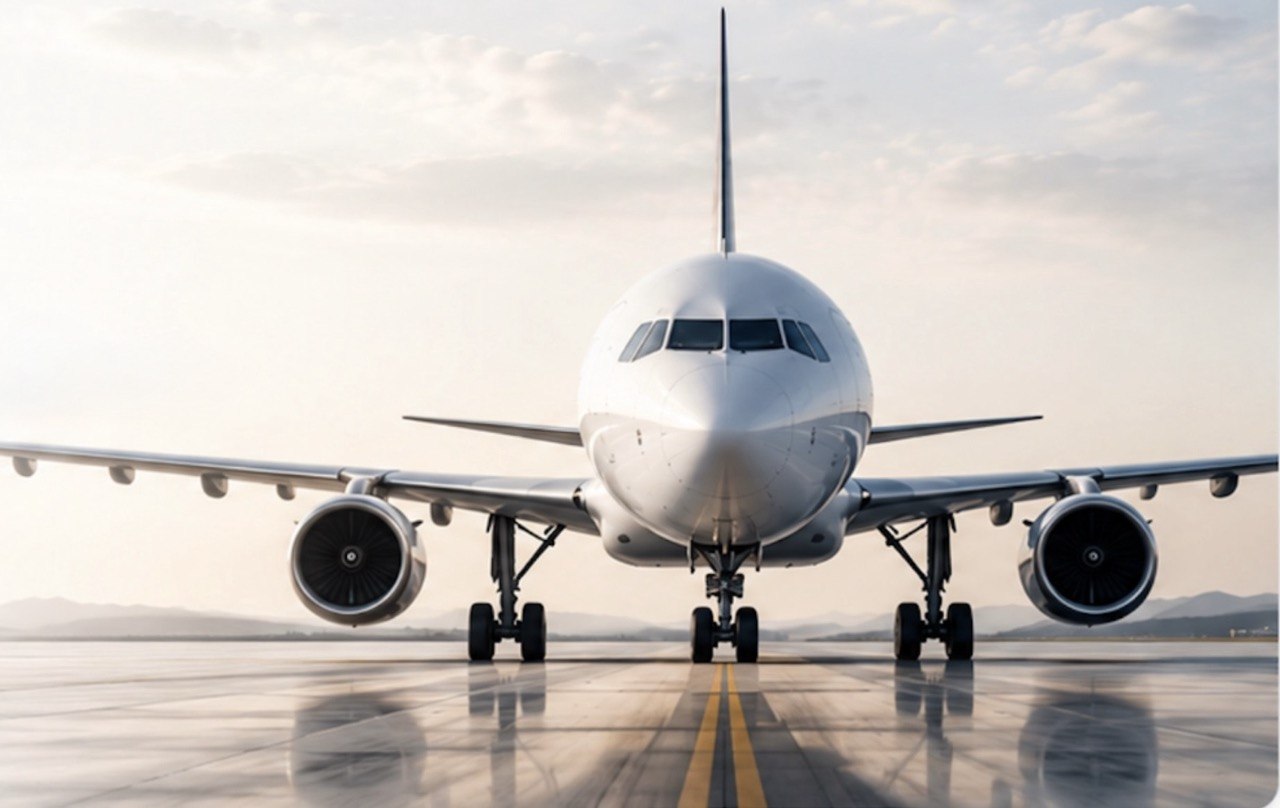
The delivery, reported by Aviation A2Z, comes as the US carrier continues to modernise its fleet with newer fuel-efficient aircraft while expanding operations across major hubs including Dallas/Fort Worth International Airport.
Boeing presented the milestone aircraft with a ceremonial blue bow during the handover, symbolising the companies’ deep commercial relationship spanning several decades.
Century-long relationship enters new phase
The latest delivery highlights the enduring connection between American Airlines and Boeing, a partnership that stretches back to the early years of commercial aviation.
According to Aviation A2Z, the relationship gained major significance in 1959 when American launched the first transcontinental jet passenger service in the United States using the Boeing 707.
That service connected Los Angeles and New York in around four hours, significantly reducing coast-to-coast travel times and helping usher in the jet age for commercial aviation.
Over the following decades, Boeing aircraft became central to American’s network development strategy.
Aircraft that played key roles in the airline’s expansion included:
- Boeing 727 for shorter-runway airport operations
- Boeing 737 family for domestic and regional services
- Boeing 777 for long-haul international operations
- Boeing 787 Dreamliner for fuel-efficient global connectivity
The airline introduced the Boeing 737-800 into its fleet in 1999, with the aircraft family later becoming one of the carrier’s most important narrowbody platforms.
Today, American Airlines operates Boeing 737, 777 and 787 aircraft across nearly 350 destinations in more than 60 countries, according to Aviation A2Z.
Fleet renewal remains strategic priority
The arrival of the 100th 737 MAX reflects the airline’s broader fleet renewal strategy aimed at replacing older aircraft with more fuel-efficient models.
The 737 MAX plays a significant role in American’s domestic and short-haul international network, offering lower fuel consumption and reduced operating costs compared with previous-generation aircraft.
The jet also features updated cabin systems and improved operational efficiency, factors that have become increasingly important as airlines face rising fuel prices and margin pressure.
Jay Hancock, Managing Director of Fleet at American Airlines, said the airline’s long-term investment strategy had helped build one of the youngest fleets among major US network carriers.
He added that Boeing aircraft deliveries had supported network expansion and operational performance improvements.
More Boeing aircraft still on order
Despite broader supply chain challenges affecting aircraft manufacturing globally, American Airlines continues to expand its Boeing order pipeline.
According to Aviation A2Z, the carrier still has nearly 140 Boeing aircraft on order, including additional 737 MAX jets and Boeing 787 Dreamliners.
The orders form part of the airline’s strategy to maintain flexibility across both domestic and international markets while supporting future passenger demand growth.
For Boeing, the milestone delivery also carries symbolic importance as the manufacturer continues efforts to stabilise production and improve delivery consistency following years of regulatory scrutiny and operational disruption linked to the 737 MAX programme.
Modernisation shapes airline’s second century
As American Airlines enters its second century of operations, fleet modernisation is emerging as a central pillar of its long-term growth strategy.
The carrier has increasingly focused on improving fuel efficiency, reducing maintenance costs and strengthening network flexibility through next-generation aircraft investments.
The milestone 100th 737 MAX delivery illustrates how Boeing aircraft remain deeply integrated into American Airlines’ operational planning and expansion strategy as the airline prepares for future growth in an increasingly competitive global aviation market.


Join the conversation
No comments yet
Be the first to share your thoughts!
Sign In to Comment