

China has agreed to purchase 200 Boeing aircraft in a deal that could eventually expand to as many as 750 jets, according to statements made by US President Donald Trump, signalling a potentially major shift in the global aviation market after years of strained trade relations between Washington and Beijing.
May 17, 2026
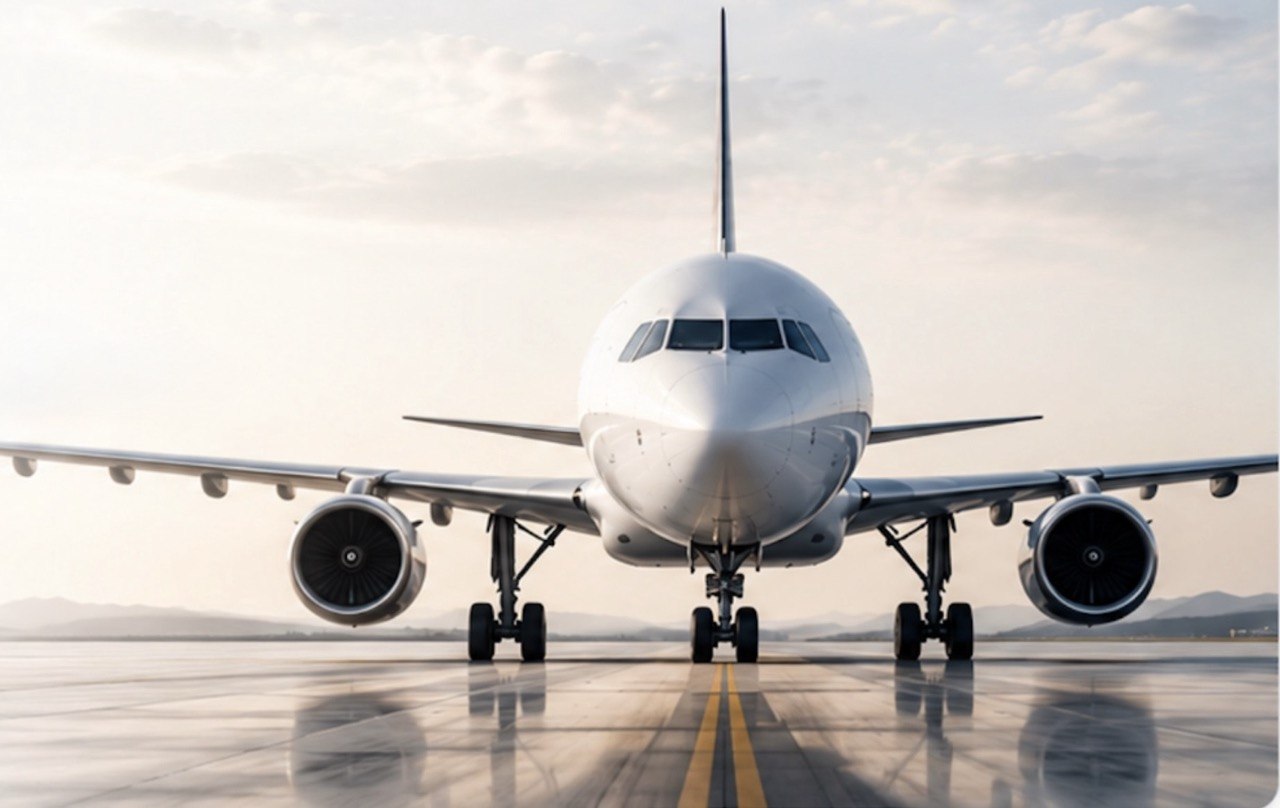
Speaking to reporters aboard Air Force One on Friday, Trump said the agreement involved “approximately 200 planes and a promise of up to 750 if they do a good job”.
The aircraft are expected to be equipped with engines supplied by GE Aerospace, though detailed delivery timelines and aircraft specifications have not yet been disclosed publicly.
If finalised, the deal would represent Boeing’s first major Chinese aircraft order in nearly ten years and could significantly strengthen the US planemaker’s position in one of the world’s largest aviation markets.
Boeing signals return to China market
According to reporting by Reuters, Boeing described the agreement as an “initial commitment” for 200 aircraft and indicated that additional commitments could follow later.
The company traditionally uses the term “commitment” for preliminary agreements that have not yet been converted into firm orders recorded in Boeing’s official backlog.
Boeing said it now looked forward to “continually addressing China’s aircraft demand”.
The proposed transaction would be a major turnaround for the manufacturer, which has struggled to secure significant Chinese orders in recent years amid geopolitical tensions and trade disputes between the United States and China.
Industry data cited by Reuters showed that Chinese airlines placed an average of:
- 127 aircraft orders annually between 2005 and 2017
- Only around six aircraft orders annually after 2017
The sharp decline reflected deteriorating trade relations, regulatory tensions and concerns over long-term aircraft support and component access.
Trump links deal to broader US-China engagement
Trump said the proposed order includes a mix of Boeing 777 and 737 aircraft.
In an interview aired on Fox News, he said Chinese President Xi Jinping had committed to purchasing “big ones, 777s, and 737s”.
The announcement came during Trump’s visit to China alongside senior US business executives, including:
- Boeing CEO Kelly Ortberg
- GE Aerospace chief Larry Culp
The delegation reportedly aimed to secure commercial agreements and address ongoing business disputes between the two countries.
Trump also indicated that Xi is expected to visit Washington in September, suggesting future aviation agreements could emerge during that trip.
China’s aviation growth driving demand
For China, the proposed Boeing purchase would help secure additional aircraft capacity as the country’s aviation market continues expanding rapidly.
The deal could also help offset production limitations affecting China’s domestically developed COMAC C919 narrow-body aircraft programme.
According to Reuters, industry analysts believe current C919 production rates remain below China’s earlier growth ambitions, increasing the need for imported commercial aircraft capacity.
A large Boeing order would therefore provide Chinese airlines with access to additional narrow-body and wide-body aircraft during a period of rising passenger demand.
The purchase would likely be distributed among China’s three major state-owned airlines, according to aviation industry observers.
Boeing seeks to close gap with Airbus
The proposed order would also help Boeing narrow the competitive gap with rival Airbus, which has significantly strengthened its position in China over recent years.
While Boeing faced political and regulatory setbacks, Airbus expanded its market presence and secured multiple large Chinese aircraft agreements.
Industry experts say a renewed Boeing-China relationship could rebalance competition in one of the world’s most strategically important aviation markets.
According to estimates from aviation advisory firm IBA, cited by Reuters:
- The initial 200-aircraft deal could be worth $17 billion to $19 billion
- The valuation assumes around 80% of the order consists of 737 MAX aircraft
- The value could rise to around $25 billion if a larger proportion includes wide-body aircraft
Analysts noted that wide-body jets such as the Boeing 777 carry substantially higher pricing than narrow-body aircraft.
Market reaction reflects mixed expectations
Despite the scale of the announcement, Boeing shares declined in US trading after details of the proposed deal emerged.
Reuters reported that Boeing stock fell nearly 4% on Thursday after Trump first mentioned the order on Fox News, before declining a further 2.6% on Friday.
GE Aerospace shares also slipped around 2%.
The market reaction reflected expectations among some analysts that Boeing had initially been negotiating for a substantially larger package.
Industry sources told Reuters the manufacturer had earlier explored discussions involving:
- At least 500 narrow-body aircraft
- Additional wide-body aircraft orders
- Potential follow-on agreements involving up to 200 more jets
If future commitments materialise and total orders exceed 500 aircraft, the deal could become one of the largest commercial aviation transactions in industry history.
That would surpass even the landmark IndiGo-Airbus agreement involving 500 narrow-body aircraft.
Questions remain over long-term support
Despite the positive momentum, concerns over after-sales support and parts access continue to influence Chinese airline purchasing decisions.
Independent Chinese aviation analyst Li Hanming told Reuters that uncertainty over export restrictions and maintenance support had affected Boeing’s position in China in recent years.
“The reason China isn't buying is very simple: no one wants to buy something without guaranteed after-sales maintenance and support,” Li said.
He added that concerns over potential US restrictions on aircraft parts and components had complicated long-term planning for Chinese airlines.
Those issues may remain important even if the latest commitments progress toward final confirmation.
Boeing sees strategic opening in Asia
For Boeing, the proposed agreement arrives at a critical moment as the company works to strengthen global order momentum following years of geopolitical disruptions, supply chain challenges and intensified competition from Airbus.
China remains one of the most strategically important aviation markets globally because of its long-term passenger growth potential and expanding airline fleets.
A successful return to large-scale Chinese orders would therefore represent more than a commercial win for Boeing. It would also signal a broader reopening of one of aviation’s most influential markets after nearly a decade of uncertainty.


Join the conversation
No comments yet
Be the first to share your thoughts!
Sign In to Comment