In its continuing fleet modernisation plan, Delta Air Lines has ordered another 34 Airbus A321neo airliners, marking the announcement this week that the carrier and the airplane maker had finalised. As per Airbus's press release, the deal will assist the airline in domestic and short-haul international expansion plans, enhanced fuel efficiency, and will also eliminate older-generation narrowbody planes. Deliveries are slated to be released later in this decade, which strengthens the long-term capacity planning of Delta as well as its resolve to reduce its operating costs per seat with the application of next-generation aircraft technology.
Technical Specifications and Structure of the Order
The new A321neo aircraft will be powered by next-generation engines and will have advanced aerodynamic features such as sharklets. This will ensure that as much as 20 percent of fuel burn and CO2 per seat is reduced compared to the previous generation narrowbodies. Depending on its configuration, the aircraft has a typical capacity of 180-220 passengers and is a component of high-density domestic and transcontinental flights in the United States.
Delta has progressively been restructuring its narrowbody fleet, replacing older Boeing 757 and Airbus A320ceo models with more A321-based models, becoming more dependent on the A321 family. As per the press release of Delta Air, through this new order, Delta has more than 150 A321neo on its books, enhancing the presence of Airbus in the single-aisle park of the company.
The aircraft will facilitate the growth of the network in major hubs such as Atlanta, Minneapolis-St. Paul, Salt Lake City, and New York, increasing the service reliability and customer experience with the help of renovated cabin interiors and increased connectivity solutions.
Airbus also pointed out that the A321neo has been the most successful aircraft in the A320neo family with over 5,600 orders worldwide, reflecting the high demand for efficient single-aisle platforms in the market. The order underlines the firm market control of the narrowbody segment that Airbus enjoys as the competitors continue to struggle with challenges in production.
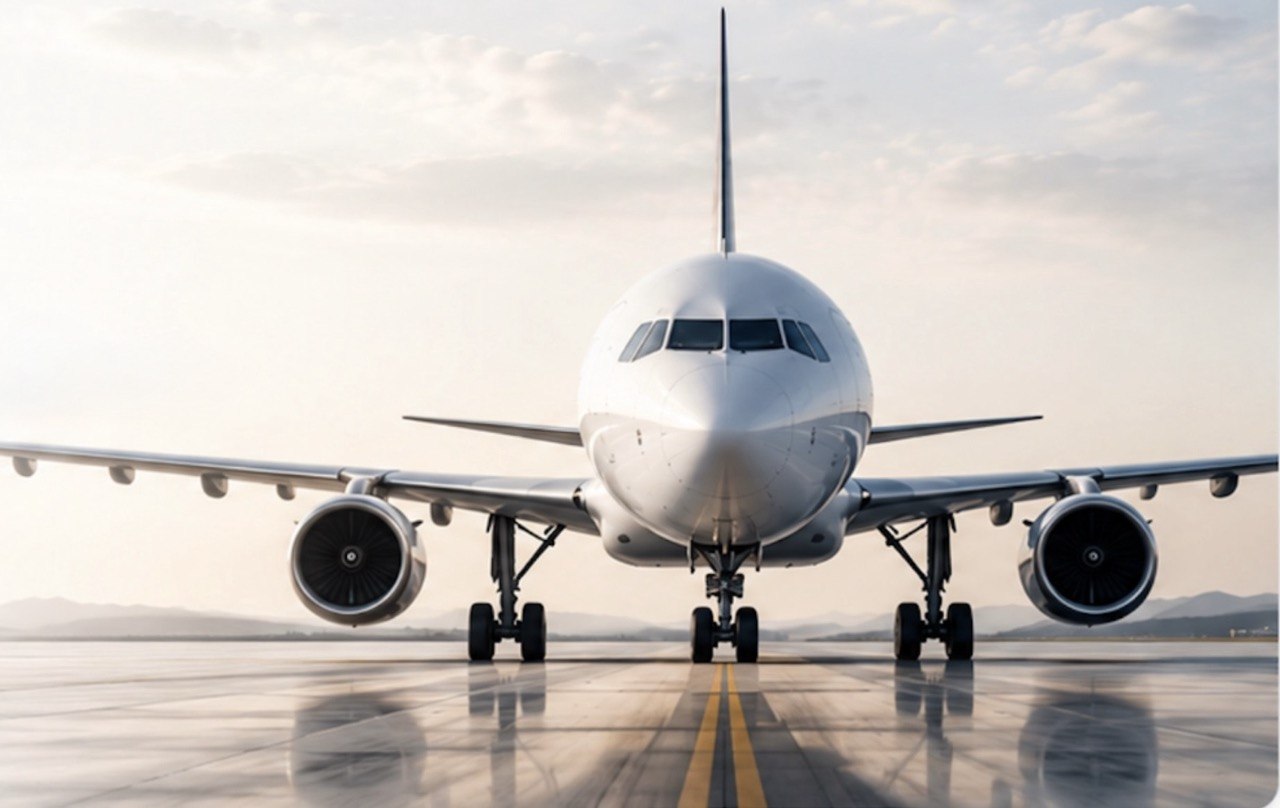
The New Aircrafts Will Aid the Airline to Reduce Fuel Cost per Seat by- 20%: Source Pexels
Fleet Strategy and Capital Allocation
The fleet renewal programme of the airline will involve the reduction of maintenance costs, increasing the dispatchability, and reducing the intensity of environmental footprints. The investor communication of Delta states that newer-generation aircraft will provide improvements in fuel efficiency of double-digit percentage points annually, and it will assist the airline in its overarching sustainability goals.
Perspective of Industry Specialists
As reported by Reuters, Richard Aboulafia, Managing Director at AeroDynamic Advisory, said that Delta is committed to incremental narrowbody growth to the present quarter rather than aggressive capacity flooding, as indicated by a tight availability of delivery slots in the second half of the decade. This means that airlines with high-quality balance sheets were finding the prevailing production environment to lock in delivery slots in the second half of the decade.
Growth Directed by Efficiency
Delta has just 34 more A321neos in its orderbook and proceeds to recalibration of its narrowbody fleet on fuel-efficient and high-capacity platforms with lower unit costs and improved passenger comfort. The aircraft are scheduled for phased delivery beginning in 2026, with inductions extending through the late 2020s as part of Delta’s broader fleet modernization roadmap. Since carriers in the US are struggling with supply-chain limitations and an escalating operating cost, the Delta strategy is indicative of a long-horizon fleet investment model based on a lean, agile, and network-optimisation - a calculated growth as opposed to a speculative growth.



Join the conversation
No comments yet
Be the first to share your thoughts!
Sign In to Comment