
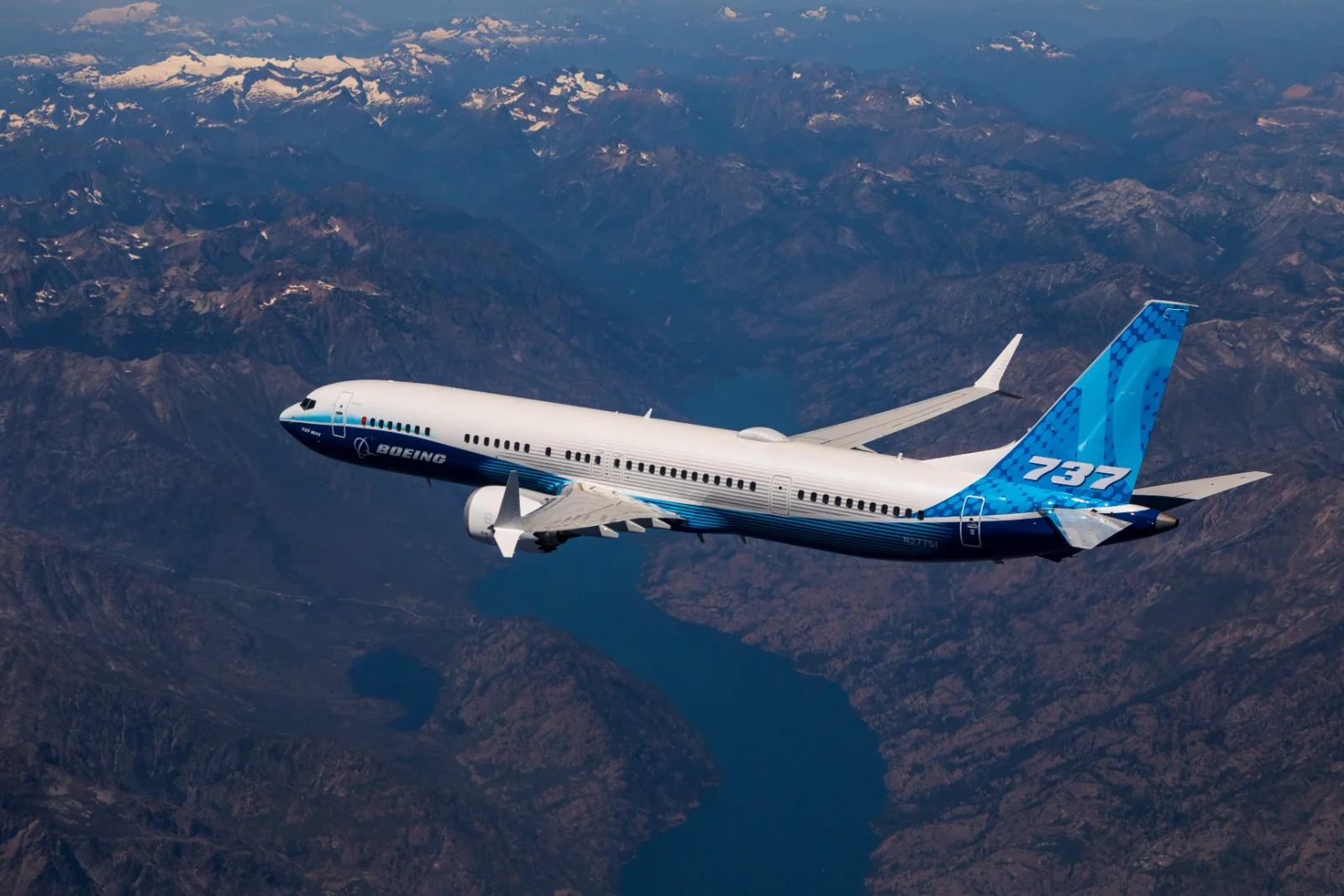
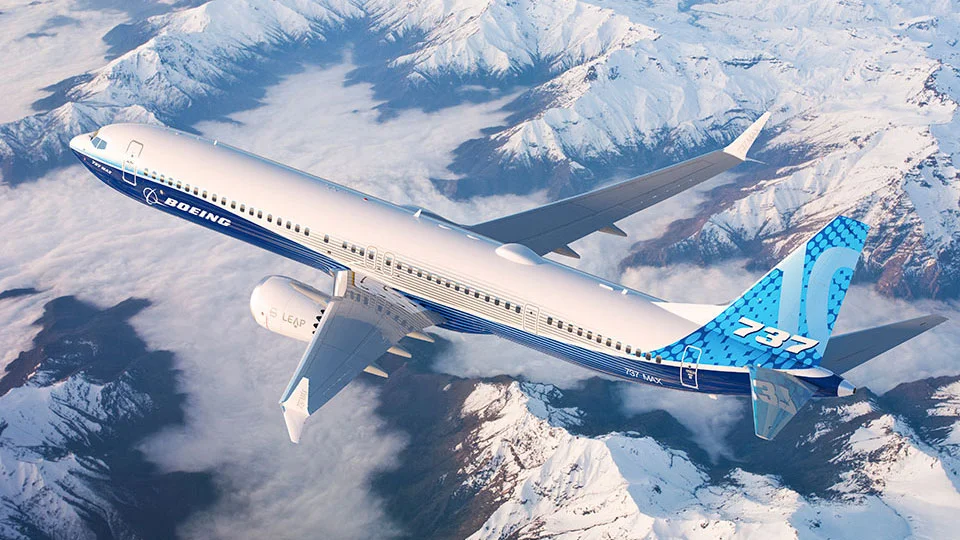
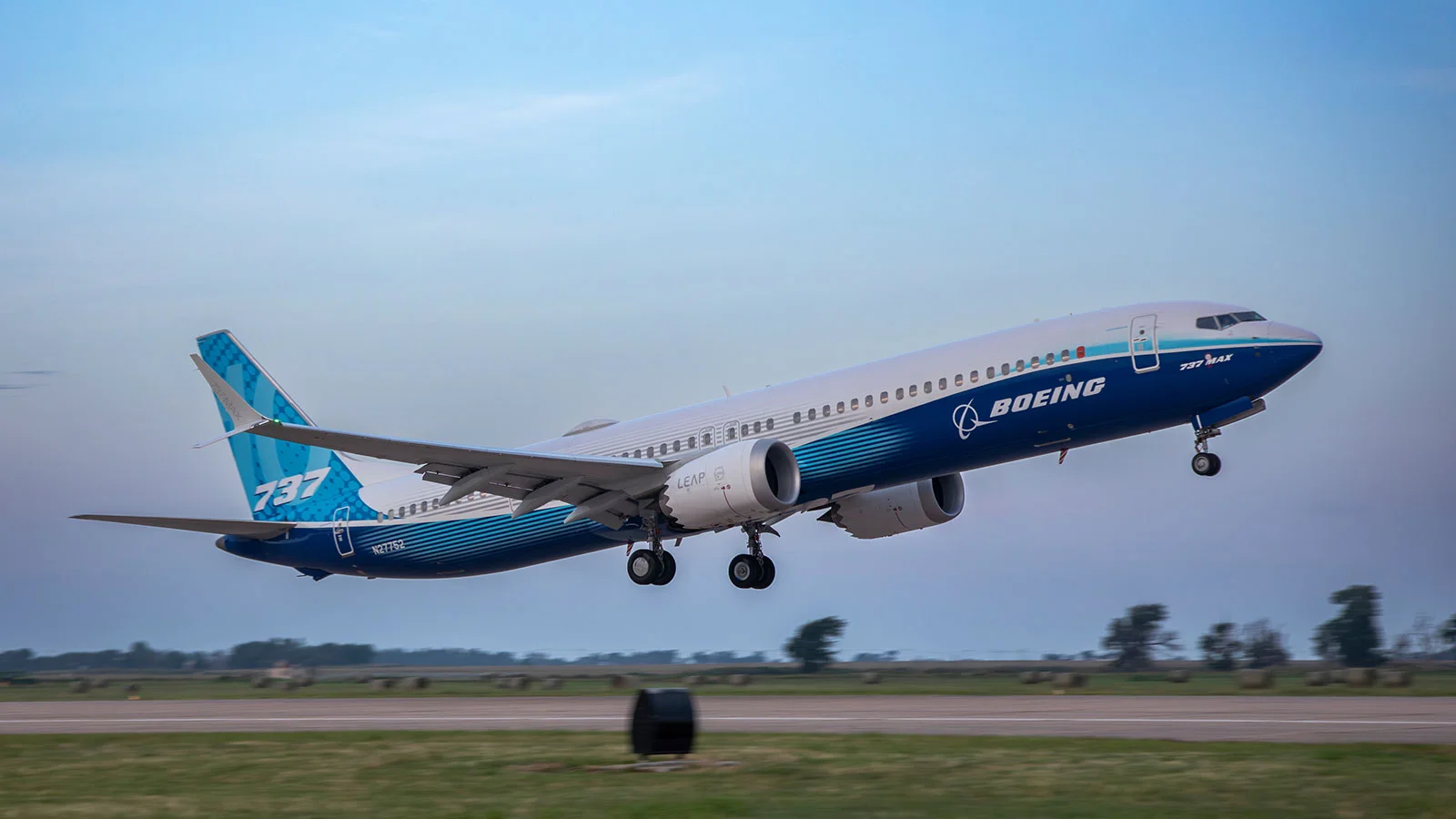
The US Federal Aviation Administration (FAA) has said that an expert panel found a software glitch affecting some Boeing 737 MAX flight computers did not pose a safety risk, clearing the way for certification of the largest variant of the narrow-body family.
October 3, 2026 • Parijat Sourabh
The decision removes a late hurdle to certification of the 737 MAX 10, which has been delayed for years. It could also ease concerns among airlines operating the MAX 7, which uses the same software and was certified by the FAA in August, Reuters reported.
Boeing identified a previously undisclosed software issue on the 737 MAX that could cause an automated navigation feature to fail during landing. The issue is linked to a cockpit software update and can occur when flight crews modify their planned flight path following a missed approach. Boeing said it had notified operators and was developing a software update to permanently resolve the issue.
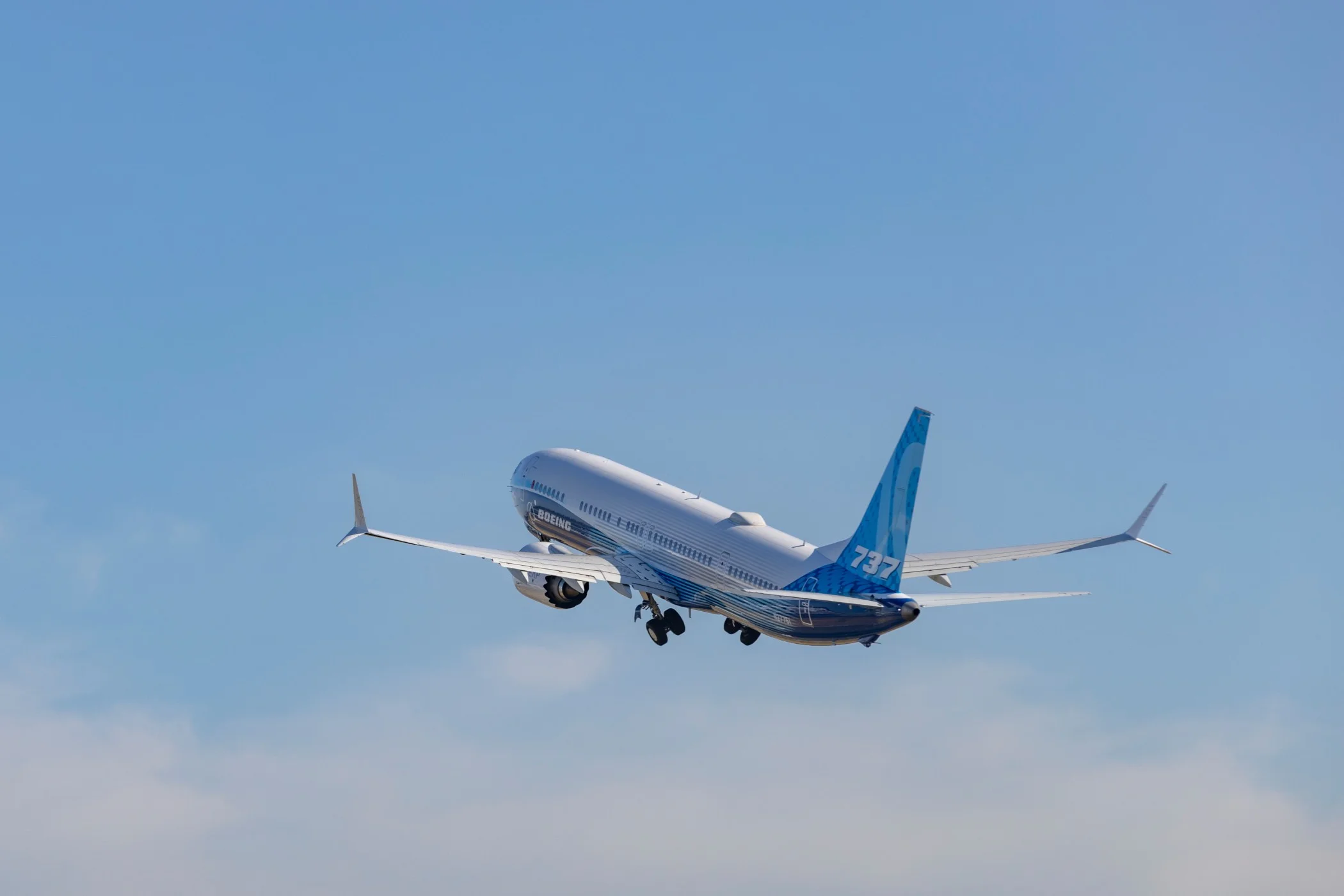
Senior officials at the US regulator were alerted to the issue in August, nearly two years after Canadian carrier WestJet first reported it to Boeing.
WestJet, which expects to take delivery of the MAX 10 early next year, uses the affected U14.1 software on its MAX aircraft.
“WestJet has received no reports of this condition occurring during normal line operations,” the memo said. “Very few occurrences have been reported by other operators using U14 or U14.1 because the condition requires a specific sequence of events.”
Earlier this week, the FAA said it was delaying certification of the MAX 10 while it analysed the problem, which could prevent pilots from accessing automated flight guidance during an unusual landing scenario.
Boeing said it "will continue to follow the lead of the FAA as our engineers work on the next software update." Boeing added it was working with airlines to formalize a procedure that will allow pilots "to re-enable automated vertical navigation should this situation occur."
The FAA said the latest software version could increase pilot workload during a go-around, when a pilot aborts a landing attempt, applies power and climbs to make another approach.
Major US airlines had opted to use an earlier version of the software while the analysis was underway. Indian carriers including Air India Express and Akasa Air operate Boeing 737 MAX aircraft. Akasa Air said the issue had no impact on the safety of its operations.
Both Air India Express and Akasa Air are future operators of the Boeing 737 MAX 10. The two airlines currently operate the Boeing 737 MAX 8.
Aviation officials now believe the MAX 10 could receive certification as soon as later this month, in line with earlier expectations, according to Reuters.

Join the conversation
No comments yet
Be the first to share your thoughts!
Sign In to Comment