

For many aspiring aviators, earning a Commercial Pilot Licence (CPL) is only one step towards an airline cockpit. Increasingly, airlines are creating structured cadet pilot programmes that recruit candidates before they begin flight training, preparing them specifically for commercial airline operations.
July 6, 2026
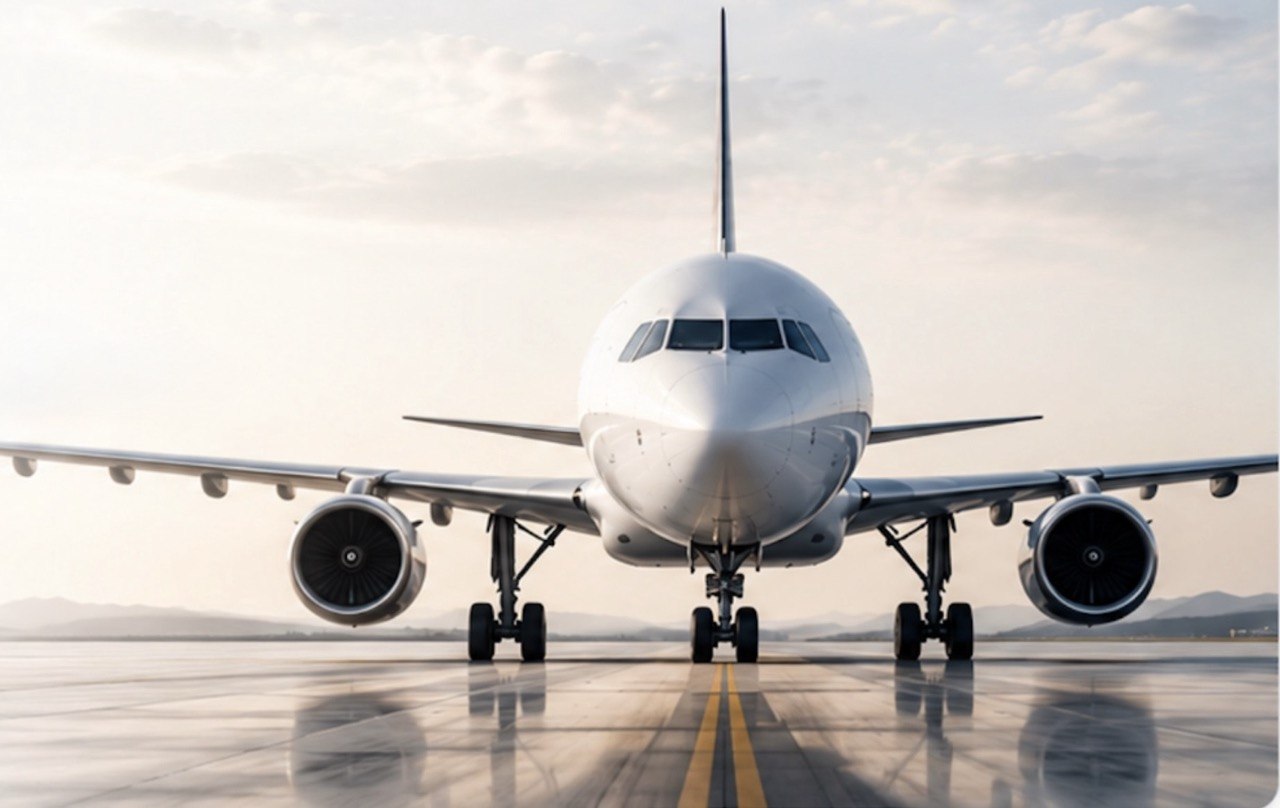
Unlike the conventional route, where students complete their CPL independently before applying for airline jobs, cadet programmes integrate training with an airline's operational requirements. Industry information published by airlines and approved training partners shows these programmes combine classroom learning, flight training, simulator sessions and aircraft-specific type rating under a single pathway.
While the route can shorten the transition from student to airline pilot, it also involves a competitive selection process and a significant financial commitment.
What is a cadet pilot programme?
A cadet pilot programme is an airline-linked, self-sponsored training pathway under which selected candidates receive training through airline-approved Flight Training Organisations (FTOs).
According to programme information published by Air India and aviation training providers, successful candidates undergo structured training that generally includes:
- Ground school covering aviation theory and regulations.
- Flying training to complete the requirements for a DGCA Commercial Pilot Licence (CPL).
- Simulator sessions designed around airline operating procedures.
- Aircraft type rating, typically on aircraft operated by the airline, such as the Airbus A320.
- Preparation for airline induction after successfully completing all programme requirements.
The objective is to prepare cadets for airline operations from the beginning of their training rather than after obtaining a CPL.
How the selection process works
Entry into a cadet programme begins with a competitive assessment process.
According to Air India's Cadet Pilot Programme, candidates move through several stages before receiving an offer to join the programme.
The process typically includes:
- Online application
- Technical evaluation, including numerical reasoning, critical thinking, spatial awareness, motor skills and the ability to perform under pressure
- Non-technical evaluation, including group exercises and panel interviews that assess communication, teamwork and interpersonal skills
- Medical assessment
- Final programme selection
Only candidates who successfully complete every stage are admitted into training.
Who is eligible?
Eligibility differs between airlines and their approved training partners. However, most programmes follow similar academic and medical standards.
According to Air India, applicants must:
- Be an Indian citizen or an Overseas Citizen of India (OCI).
- Be between 18 and 30 years of age.
- Demonstrate proficiency in written and spoken English.
- Meet physical and mental fitness requirements, including a minimum height of 158 cm.
- Obtain a DGCA Class I Medical Certificate before commencing flight training.
- Have completed Class 12 with at least 60 per cent marks overall, including 60 per cent each in Physics, Mathematics and English. Air India also accepts qualifications from the National Institute of Open Schooling (NIOS).
Air India further states that unsuccessful candidates may reapply after a cooling-off period of three months from the date of assessment.
Other airlines may prescribe different eligibility requirements, so applicants should always verify programme-specific criteria before applying.
Where does the training take place?
Training locations vary by airline.
According to Air India, cadets receive CPL training at the Air India Flying Training Academy (AIFTA) in Amravati, Maharashtra, and at two partner flight schools in the United States, namely AeroGuard Flight Training Center and Acron Aviation Academy.
The airline states that type rating training is conducted at Air India-affiliated Approved Training Organisations (ATOs), including its upcoming simulator centres in Gurugram, depending on fleet requirements.
Air India also says its academy will eventually provide end-to-end CPL training through a fully residential programme. The airline states that the facility has 34 trainer aircraft and three fixed training devices, although it notes that the academy's DGCA licence is pending.
What does it cost?
Cadet pilot programmes rank among the costliest pathways into commercial aviation.
According to aviation training providers, programme costs generally range from ₹95 lakh to more than ₹1.30 crore. The final amount depends on several factors, including:
- Airline and training partner
- Country where flight training is conducted
- Currency exchange rates
- Accommodation and living expenses
- Medical examinations
- Licence conversion, where applicable
- Examination fees
- Additional flying hours or retraining
- Aircraft type rating
Training providers note that some IndiGo partner programmes publish indicative costs of approximately USD 132,000 or more, while Air India does not publicly disclose a standard programme fee. Instead, selected candidates receive the financial details before training begins.
Applicants are advised to review the official fee schedule carefully to understand which expenses are included and which require separate payment.
Why do students choose this route?
Cadet programmes have become increasingly popular because they offer a clearly defined progression towards airline operations.
Common advantages include:
- Structured airline-focused training
- Integrated CPL and type rating pathway
- Training designed around airline operating procedures
- Mentorship from airline pilots and aviation professionals
- Access to airline-approved training infrastructure
According to Air India, its programme also provides mentoring by experienced airline pilots and training using modern aviation technology and equipment.
Challenges applicants should consider
Despite the structured pathway, cadet programmes are not suitable for every aspiring pilot.
Industry guidance highlights several considerations:
- High overall programme cost
- Highly competitive selection process
- Employment bonds may apply, depending on the airline
- Limited flexibility during the initial years of employment with the sponsoring airline
Applicants should also remember that successful completion of training remains a prerequisite before joining airline operations.
Cadet programme or traditional CPL?
The conventional CPL route allows students to choose their own flying school and apply to multiple airlines after obtaining their licence.
Cadet programmes take a different approach.
Candidates enter an airline-linked training ecosystem from the outset, with the curriculum designed around the operational needs of the sponsoring carrier.
For students seeking a structured route into airline flying, the model offers greater continuity. Those looking for lower costs or broader employment flexibility may prefer completing an independent CPL before entering the recruitment market.
Questions to ask before enrolling
Prospective cadets should obtain clear answers to several practical questions before committing to a programme.
These include:
- Does the quoted fee include CPL training, simulator sessions and aircraft type rating?
- Where will the flying training take place?
- Which Flight Training Organisation will conduct the training?
- Are accommodation and travel included?
- Will additional flying hours incur extra charges?
- Does the programme require an employment bond?
- What happens if a trainee needs additional assessments or training?
Understanding these details can help applicants evaluate the full financial and professional commitment before making a decision.


Join the conversation
No comments yet
Be the first to share your thoughts!
Sign In to Comment