
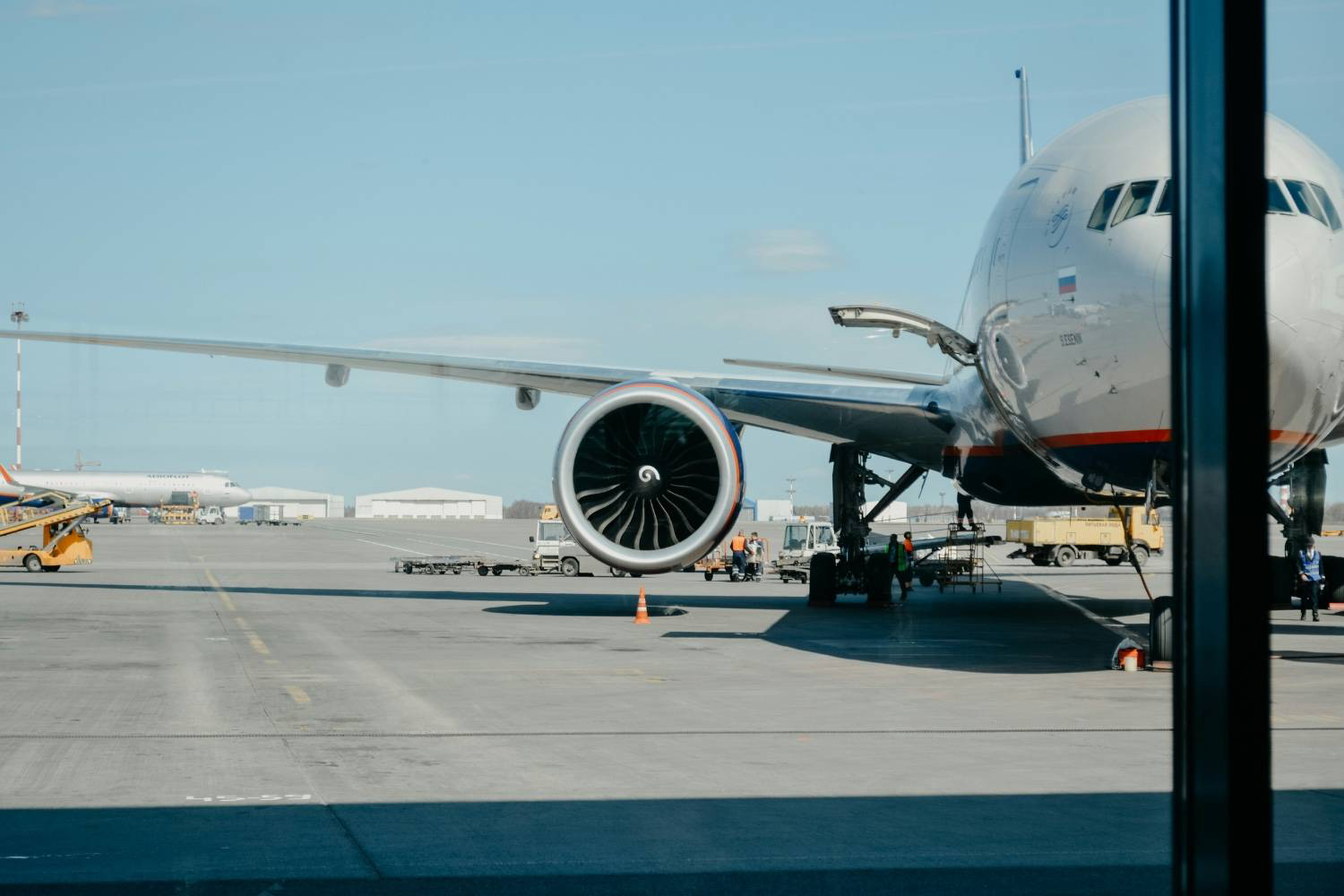
Mention aviation and most minds go to the same place. An airport terminal. A boarding pass. A pilot in uniform. Perhaps an Airbus or Boeing waiting at the gate.
September 12, 2026 • Avionyz
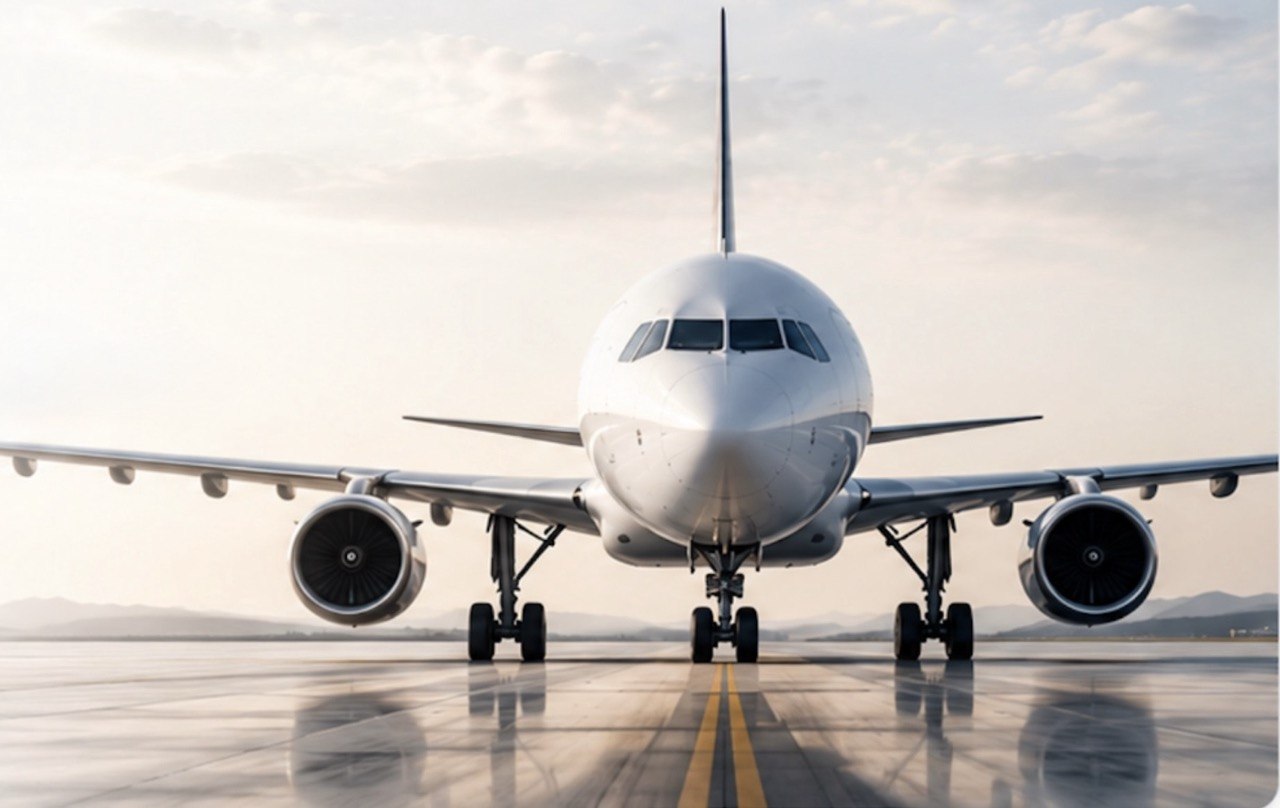
Fair enough. Commercial airlines are aviation's most visible face.
But look up on any busy day and the aircraft crossing the sky may be doing completely different jobs. One could be carrying 300 passengers. Another may be moving medical supplies. A military transport aircraft could be carrying personnel or equipment. Somewhere else, a student pilot may be completing a training flight in a small single-engine aircraft.
Same sky. Very different missions.
The aviation industry is not one business. It is a network of distinct operations, technologies and professions connected by aircraft, airspace and an enormous safety ecosystem.
So, what are the different sides of aviation?
First, civil and military aviation are not the same world
At the broadest level, aviation is commonly separated into civil aviation and military aviation.
Civil aviation covers non-military aircraft operations. The International Civil Aviation Organization (ICAO) classifies civil aircraft operations across commercial air transport, general aviation and aerial work categories.
Commercial air transport involves carrying passengers, freight or mail for remuneration. General aviation, under ICAO's operational definition, covers aircraft operations outside commercial air transport and aerial work.
Military aviation sits outside civil aviation and serves defence objectives.
Sounds simple so far. It gets much bigger once the aircraft start moving.
Commercial aviation is the side passengers know best
This is airport aviation. Check-in desks, boarding calls, seat numbers and the inevitable passenger standing up before the seatbelt sign goes off.
Commercial aviation moves passengers, freight and mail as a paid air transport service, according to ICAO's air transport definitions.
Passenger airlines operate everything from narrow-body aircraft on short and medium-haul routes to wide-body jets designed for long-distance flying.
The aircraft may look like the centre of the business, but an airline operation stretches far beyond the cockpit.
Pilots and cabin crew are supported by flight dispatchers, aircraft maintenance engineers, ground operations teams, safety professionals, network planners, revenue specialists and operations control staff.
Then there is air traffic management. Controllers coordinate aircraft movements and maintain the orderly flow of traffic through increasingly busy airspace.
The passenger sees a flight number.
Behind it sits an industrial-scale operation.
General aviation is aviation's very large umbrella
Now leave the major airline terminal.
A small aircraft is conducting a training flight. A business aircraft is heading to a regional airport. A helicopter is operating in a specialist role.
Welcome to the wider world around general aviation and specialised aerial operations.
ICAO distinguishes general aviation from commercial air transport and aerial work in its formal operational classifications. Aerial work can include specialist services such as surveying, observation, patrol and search and rescue.
For aspiring pilots, this part of the aviation ecosystem is particularly important. Flight training often takes place in smaller aircraft, making the training environment an early entry point into professional aviation.
This side of flying also shows why aviation cannot simply be understood through scheduled airlines.
Aircraft can serve highly specific missions. The FAA, for example, describes helicopter air ambulance pilots as providing rapid transport for critically ill or injured patients when ground transport is unavailable or too slow.
In other words, not every take-off is about getting to a holiday destination.
Sometimes the mission is measured in minutes.
Cargo aviation quietly keeps global trade moving
No window seat. No cabin meal. No passenger asking whether the aircraft has Wi-Fi.
Cargo aviation has a different customer: the supply chain.
Air freight carries high-value and time-sensitive goods across long distances. According to the International Air Transport Association (IATA), airlines transport more than 62 million tonnes of cargo annually.
The volume figure tells only half the story. IATA estimates air cargo represents more than 33% of global trade by value while accounting for less than 1% by volume.
Think pharmaceuticals, electronics, industrial components and other goods where speed matters.
Cargo operations may use dedicated freighters or the cargo holds of passenger aircraft. Purpose-built and converted freighters are designed around moving goods rather than travellers.
The jobs are different too. Cargo aviation relies on freight specialists, load planners, warehouse teams, logistics professionals and increasingly, digital data systems connecting airlines with freight forwarders and other supply-chain partners.
The glamorous side of aviation gets the Instagram posts.
Cargo often gets the overnight shift and a global supply chain depending on it.
Military aviation has a very different mission
Fighter aircraft attract attention. They are fast, technologically advanced and difficult to ignore.
But military aviation is much broader than fighter jets.
Military aircraft support combat, transport, training, surveillance and reconnaissance missions. Transport aircraft move personnel, equipment and supplies. Surveillance platforms support intelligence and monitoring operations. Training aircraft prepare military aviators before they move to more complex platforms.
Military aviation has also historically pushed development across aircraft systems and technology.
Yet its operating purpose remains fundamentally different from civil aviation. A passenger airline builds schedules around commercial networks. Military operators plan around defence and mission requirements.
The aircraft may share engineering principles.
The mission changes everything.
Then there are the people who build the aircraft
Aviation does not begin at the airport. Long before an aircraft reaches a runway, it passes through design, testing and manufacturing.
The aerospace manufacturing ecosystem includes airframe manufacturers, engine makers, avionics specialists and thousands of suppliers producing aircraft components and systems.
Companies such as Airbus and Boeing operate at the highly visible end of this industrial chain.
Aircraft design continues to focus on efficiency, materials and new technologies. Airbus, for example, says the A350 uses lightweight materials, advanced aerodynamics and new-generation engines to reduce fuel burn and carbon dioxide emissions by 25% compared with previous-generation aircraft.
Modern aircraft also depend on complex avionics, electrical systems and digital technologies.
For students looking at aviation careers, this matters.
You do not need to fly an aircraft to build a career around one.
Engineering, software, data, manufacturing, safety and maintenance all sit inside the aviation economy.
Seven sides of aviation worth knowing
At a glance, the industry includes:
- Commercial passenger aviation: Scheduled and non-scheduled passenger transport.
- Air cargo: The movement of freight and time-sensitive goods.
- General aviation: Non-commercial civil flying outside commercial air transport and aerial work under ICAO's operational definition.
- Specialised aerial operations: Activities including surveying, observation, patrol and search and rescue.
- Military aviation: Defence, transport, surveillance, reconnaissance and training missions.
- Aircraft manufacturing: The design and production of aircraft, engines and related systems.
- Aviation infrastructure and operations: Airports, air traffic management, maintenance and the wider systems supporting flight.
The boundaries can sometimes overlap operationally, but the purposes, business models and career pathways can be remarkably different.
One industry is becoming many career conversations
Aviation faces significant questions around environmental impact, fuel use, infrastructure and skilled talent.
At the same time, aircraft technology continues to evolve. Digital systems are changing maintenance and operations. Manufacturers are developing more efficient aircraft technologies. Air cargo is becoming increasingly data-driven.
ICAO also recognises aviation's role in humanitarian and disaster response, where airports and air transport can become essential channels for moving aid after a crisis.
All of this makes the aviation industry harder to describe with one image.
It is not simply an airline business. It is transport, logistics, defence, engineering, emergency response and advanced manufacturing operating within the same wider ecosystem.
So, the next time an aircraft passes overhead, there is a question worth asking.
Where is it going?
Perhaps the more interesting question is: what job is it doing?
Join the conversation
No comments yet
Be the first to share your thoughts!
Sign In to Comment