

Saudi Arabian airline Saudia has taken delivery of its first Airbus A321XLR, becoming the first carrier in the Middle East and Africa region to operate the aircraft. The handover marks a significant step in the airline’s fleet modernisation strategy as it seeks to expand international connectivity and support Saudi Arabia’s tourism and economic diversification ambitions under Vision 2030.
May 26, 2026
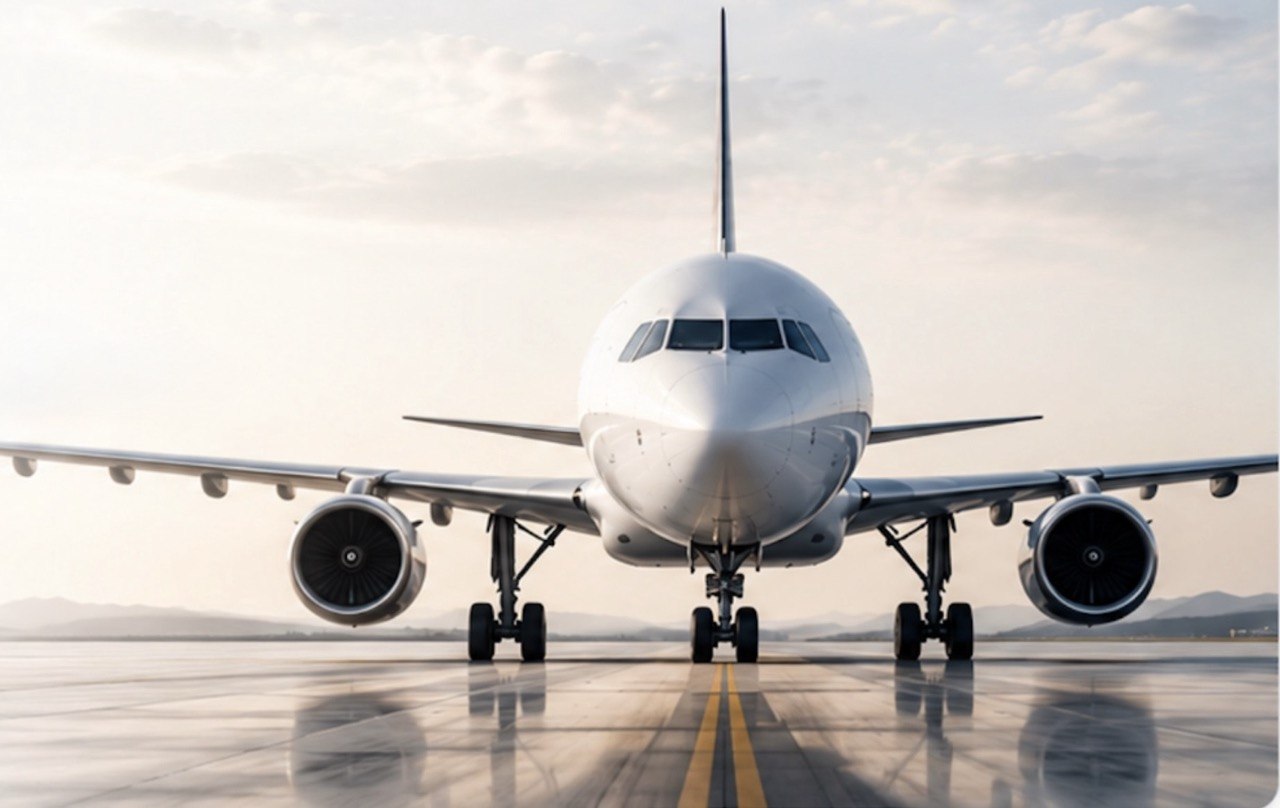
The aircraft is the first of 15 Airbus A321XLR jets ordered by the airline and is powered by CFM International LEAP-1A engines, according to details reported by Asian Aviation and Airbus.
The A321XLR, Airbus’ newest extra long-range single-aisle aircraft, is designed to give airlines the ability to operate longer international routes with lower operating costs compared with larger widebody aircraft.
Fleet expansion aligned with Vision 2030
Saudia currently serves more than 100 destinations across four continents, and the airline said the A321XLR would support further expansion into new international markets.
The delivery comes as Saudi Arabia accelerates efforts to increase tourism and aviation traffic as part of the Kingdom’s broader economic transformation agenda. Under Vision 2030, Saudi Arabia aims to attract more than 150 million visitors annually by the end of the decade.
Industry analysts have increasingly pointed to narrowbody long-range aircraft as a critical tool for airlines seeking to open thinner international routes without deploying larger twin-aisle aircraft.
According to Airbus, the A321XLR has a range of up to 4,700 nautical miles, enabling carriers to operate long-haul routes with a single-aisle configuration while improving fuel efficiency.
Cabin configuration targets premium long-haul travellers
The aircraft delivered to Saudia features a relatively low-density layout focused on premium passenger comfort.
Key cabin details include:
- 24 full-flat Business Class seats with direct aisle access
- 120 Economy Class seats
- Airbus’ Airspace Cabin design
- Larger overhead storage bins
- Advanced cabin lighting systems
- Reduced cabin noise levels compared with earlier-generation aircraft
The configuration reflects a wider industry trend in which airlines are using narrowbody aircraft for longer international sectors while maintaining premium onboard products traditionally associated with widebody fleets.
Airbus positions A321XLR as efficiency-driven aircraft
Airbus has positioned the A321XLR as a key part of its A320neo family strategy amid growing airline demand for aircraft offering greater operational flexibility and lower emissions.
According to Airbus, the aircraft delivers around 30% lower fuel burn per seat compared with previous-generation aircraft. The manufacturer also said the aircraft helps reduce carbon emissions and noise footprints.
The European planemaker added that all Airbus aircraft are currently capable of operating with up to 50% sustainable aviation fuel (SAF), with a target to reach 100% SAF capability by 2030.
The A320 Family programme has secured more than 19,900 orders from over 300 customers worldwide, Airbus said, reinforcing its position in the global single-aisle aircraft market.
Long-range narrowbody competition intensifies
The delivery also underscores growing competition in the long-range narrowbody segment, where airlines are increasingly prioritising fuel-efficient aircraft capable of connecting secondary cities and underserved international routes.
For Saudia, the A321XLR is expected to play a central role in expanding medium and long-haul operations while supporting broader national aviation growth targets tied to tourism, trade and international transit traffic.
As airlines continue balancing operational costs with sustainability pressures, aircraft such as the A321XLR are likely to become increasingly important in shaping future international route networks.


Join the conversation
No comments yet
Be the first to share your thoughts!
Sign In to Comment