

US airlines are trimming capacity growth plans for the second half of 2026 as persistently high fuel prices force carriers to adopt a more cautious operating strategy despite continued strength in travel demand and ticket pricing.
May 21, 2026
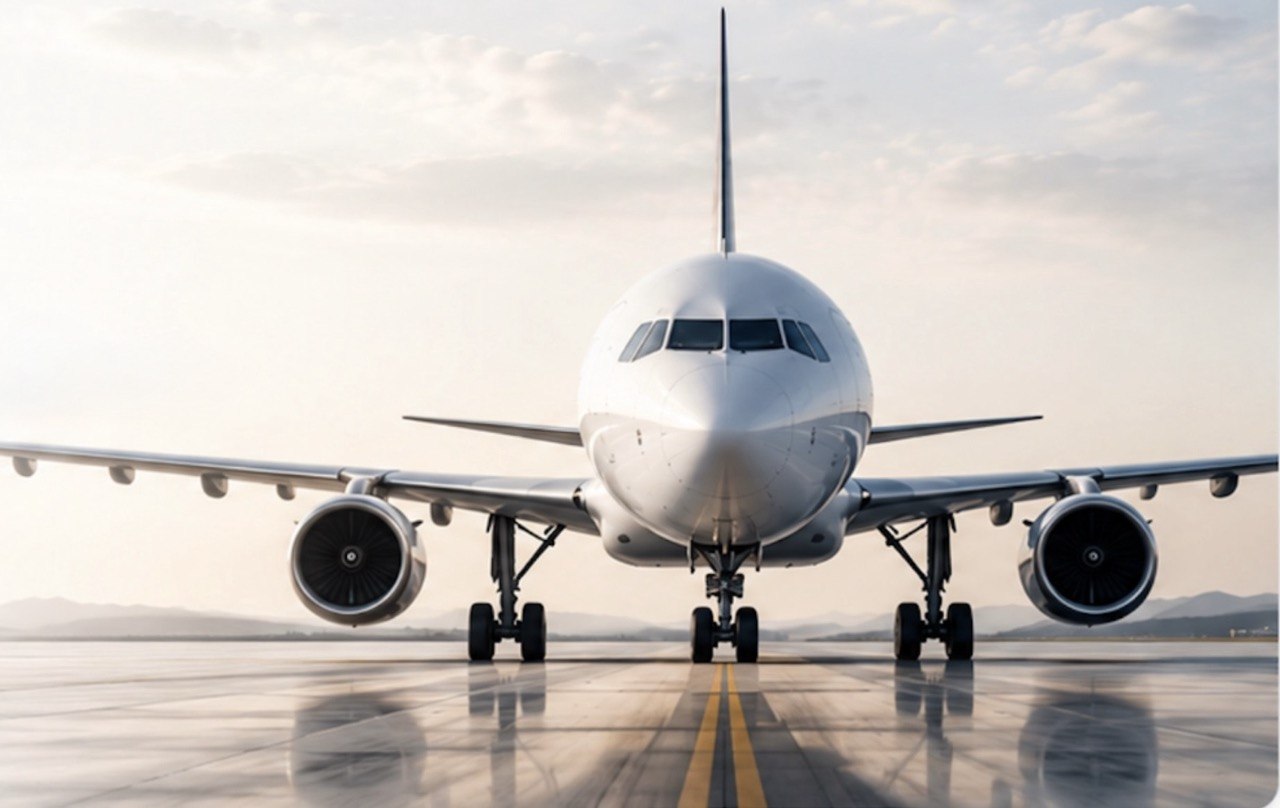
According to the latest industry analysis from Bank of America, airline pricing and consumer demand remained robust through May, while network expansion plans increasingly shifted towards reductions as Brent crude prices stayed above $100 per barrel.
The findings were reported by Investing.com following discussions at Bank of America’s Industrials, Transportation & Airlines Key Leaders conference.
Fuel costs reshape airline growth strategy
Airlines are increasingly reassessing capacity deployment as higher fuel expenses pressure margins across the sector.
Bank of America said second-half 2026 capacity plans remain flexible and heavily dependent on oil market conditions.
The report noted that third-quarter domestic capacity growth projections have already been reduced by 200 basis points since mid-April, bringing expected growth down to 1.6%.
Several developments contributed to the decline:
- Suspension of operations by Spirit Airlines reduced industry capacity growth by 160 basis points
- United Airlines lowered planned growth from 9.4% to 5.2%, removing another 80 basis points
- American Airlines remained an outlier with projected capacity growth of 9.3%
According to the analysis, summer airline capacity is now expected to remain largely flat, with further reductions likely after the peak travel season.
September capacity growth forecasts still stand at 4.1%, although analysts expect additional cuts in the coming weeks.
Ticket prices continue to climb
Despite tighter capacity planning, airlines continue benefiting from strong pricing momentum and resilient consumer demand.
Bank of America’s analysis showed:
- Airline Fare Consumer Price Index rising 20.7% year-on-year in April
- Month-on-month airline fare growth reaching 6.3%
- Air Passenger Services Producer Price Index increasing 11.1% year-on-year
- Average airline ticket prices remaining 16.2% higher in April
The report also found that airline spending through Bank of America debit and credit cards accelerated into double-digit growth during May, driven primarily by higher spending per transaction.
Industry executives reportedly told the conference that demand conditions remain stable even as operating costs rise.
International travel trends remain uneven
The report also highlighted diverging trends between outbound and inbound US travel markets.
Excluding the Middle East region, outbound US tourism increased 3.7% year-on-year, while inbound travel to the United States declined 3.8%.
Airlines also indicated that they had not yet seen a significant booking impact linked to the upcoming FIFA World Cup cycle.
However, United Airlines noted that bookings in North American host cities during the tournament’s group-stage period were already running nearly 20% higher.
Industry balances demand strength with cost pressure
The latest data reflects a broader shift across the airline sector, where carriers are attempting to preserve pricing power and profitability while managing volatile fuel markets and geopolitical uncertainty.
Fuel remains one of the largest operating expenses for airlines, particularly as oil prices continue trading at elevated levels amid ongoing tensions affecting global energy supply chains.
Analysts say capacity discipline is becoming increasingly important for airlines seeking to maintain margins without triggering aggressive fare competition.
The industry’s cautious approach also signals that carriers remain prepared to adjust schedules quickly if fuel costs rise further or broader economic conditions weaken later in the year.
For now, however, strong consumer demand and higher fares continue to provide airlines with a partial buffer against mounting operational costs.


Join the conversation
No comments yet
Be the first to share your thoughts!
Sign In to Comment