
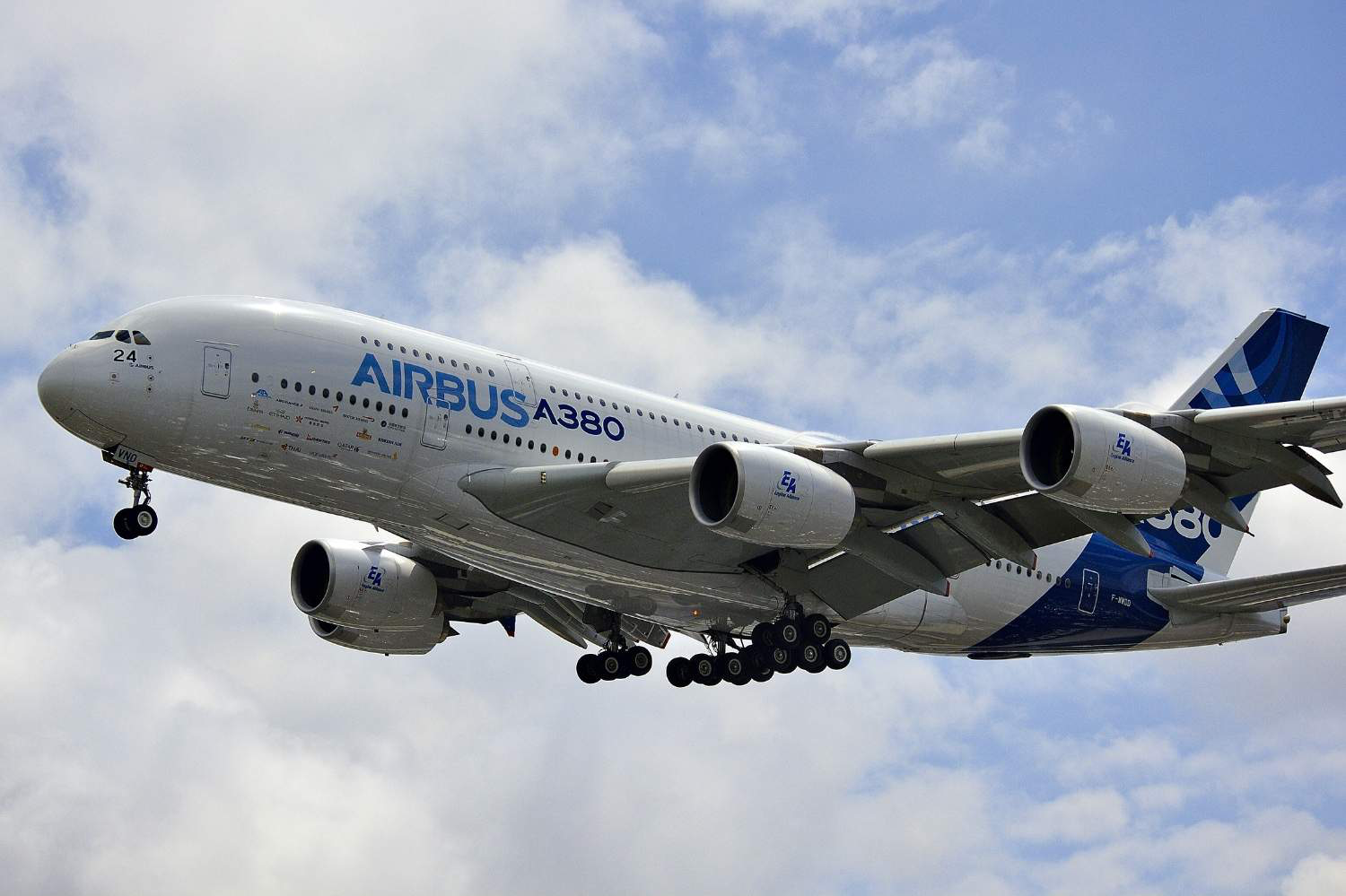
Walk through any airport and it is easy to admire the size of a modern passenger aircraft. What is less obvious is the enormous investment behind every jet parked at the gate. A commercial airliner is not simply an aircraft. It is the result of years of engineering, millions of individual parts, rigorous certification and one of the most sophisticated manufacturing processes in the world.
September 3, 2026 • Avionyz Editorial
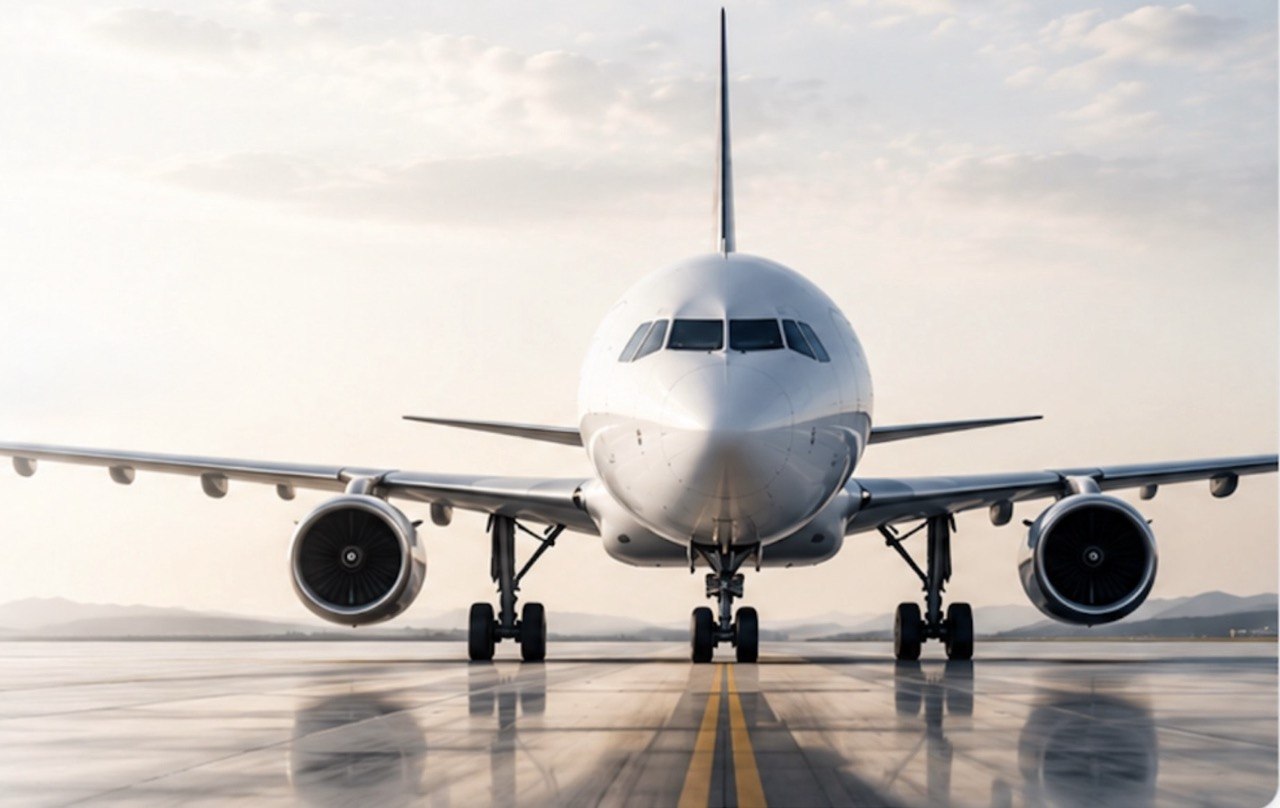
According to aviation industry estimates, the list price of a Boeing 737-800 starts at $89.1 million, while a Boeing 777-9 carries a list price of $442.2 million. Even smaller aircraft can cost well above $100,000, making aviation one of the most capital-intensive manufacturing sectors.
The question often asked by passengers and industry observers is simple. Why are aircraft so expensive?
The answer lies in a combination of engineering complexity, safety regulations, specialised suppliers and years of research before a single aircraft ever leaves the factory.
Every aircraft begins with years of research
Unlike many consumer products, a commercial aircraft is designed to remain in service for decades while safely carrying millions of passengers.
Before production starts, manufacturers such as Boeing and Airbus invest years in aircraft design, aerodynamic modelling, structural engineering and systems integration. Large teams of engineers work on everything from wing efficiency and fuel consumption to cabin layout and digital flight systems.
Every improvement undergoes repeated analysis before moving into manufacturing.
This lengthy development cycle represents one of the biggest contributors to an aircraft's overall cost.
Safety standards leave no room for compromise
Commercial aviation is among the world's most heavily regulated industries.
Every component installed on an aircraft must meet strict safety and quality requirements before it can be certified for passenger operations.
This applies to:
- Flight control systems.
- Cockpit electronics.
- Cabin seats.
- Windows.
- Wiring.
- Belts.
- Emergency equipment.
Each part undergoes extensive testing for reliability, durability and performance. While this process increases manufacturing costs, it also underpins aviation's exceptional safety record.
Aircraft rely on a specialised supply chain
Modern aircraft are assembled from thousands of components produced by specialist suppliers across multiple countries.
Unlike the automotive industry, where manufacturers can choose from numerous suppliers for similar parts, aircraft manufacturers operate within a much smaller supplier ecosystem.
Only a limited number of companies produce certified aircraft engines, seating systems, avionics or landing gear.
With fewer suppliers competing for contracts, prices remain significantly higher than in many other manufacturing sectors.
Manufacturers source many of these specialised components from external partners before assembling the final aircraft.
Some aircraft components cost millions
The aircraft itself may attract the headlines, but many of its individual parts carry price tags comparable to luxury homes or office buildings.
Industry estimates highlight the scale of these costs.
Examples include:
- Boeing 747 engines: Up to $12.2 million each, depending on engine type.
- Cockpit avionics: More than $100,000 for a complete flight deck system.
- Cockpit windshield: More than $26,000.
- Passenger windows: Around $500 each.
Cabin interiors also represent a significant investment.
A modern long-haul economy seat can cost $10,000 or more, while first-class suites often begin at $60,000 and, in some premium configurations, exceed $1 million.
In-flight entertainment systems add another major expense. Manufacturers estimate installation costs of $10,000 to $20,000 per passenger seat, meaning a wide-body aircraft can require several million dollars' worth of entertainment equipment alone.
Building one aircraft takes months
Aircraft manufacturing is a highly labour-intensive process.
Industry estimates suggest producing a commercial passenger aircraft typically takes nine to twelve months.
During this period, thousands of engineers, technicians and assembly workers contribute to production across multiple facilities.
Each aircraft passes through structural assembly, systems installation, cabin fitting, engine integration, software testing, ground checks and flight testing before delivery to an airline.
Unlike mass-produced consumer products, aircraft production volumes remain relatively low, making economies of scale harder to achieve.
Limited competition influences pricing
Commercial aircraft manufacturing is dominated by Boeing and Airbus, particularly in the large passenger aircraft market.
The limited number of manufacturers means airlines have fewer alternatives when placing fleet orders.
The same dynamic exists within many parts of the aerospace supply chain, where specialist component manufacturers often serve the global industry with little direct competition.
Combined with enormous development costs, certification requirements and specialised production processes, this contributes to the high value of every aircraft produced.
Airlines look beyond the purchase price
For airlines, buying an aircraft is only the beginning of a much larger financial commitment.
Operating costs include:
- Fuel.
- Maintenance.
- Spare parts.
- Crew training.
- Insurance.
- Airport and navigation charges.
- Software updates.
- Scheduled inspections.
Aircraft are therefore evaluated not only on acquisition cost but also on lifetime operating efficiency, fuel burn, maintenance requirements and residual value.
This explains why airlines often invest heavily in newer aircraft equipped with more efficient engines, lighter materials and advanced digital systems that reduce long-term operating costs.
Technology continues to reshape aircraft economics
Aircraft manufacturers continue investing in lighter composite materials, more efficient engines, digital maintenance tools and advanced production techniques.
These innovations require substantial upfront investment but are intended to improve fuel efficiency, reduce emissions and lower operating costs throughout an aircraft's service life.
As airlines seek more sustainable operations and stronger financial performance, demand for technologically advanced aircraft is expected to remain strong.
The next generation of aircraft is likely to become even more sophisticated, reinforcing a simple reality of commercial aviation. The hundreds of millions of dollars airlines invest in each aircraft reflect not only the size of the machine but also decades of engineering expertise, rigorous certification and one of the most complex industrial ecosystems ever created.
Join the conversation
No comments yet
Be the first to share your thoughts!
Sign In to Comment