

Dubai has reaffirmed its ambition to build the world's largest aviation hub, with the first phase of Al Maktoum International Airport remaining on track to welcome passengers by 2032. The latest update marks another milestone in one of the world's biggest airport infrastructure projects as the emirate prepares for sustained growth in passenger and cargo traffic over the coming decade.
June 29, 2026
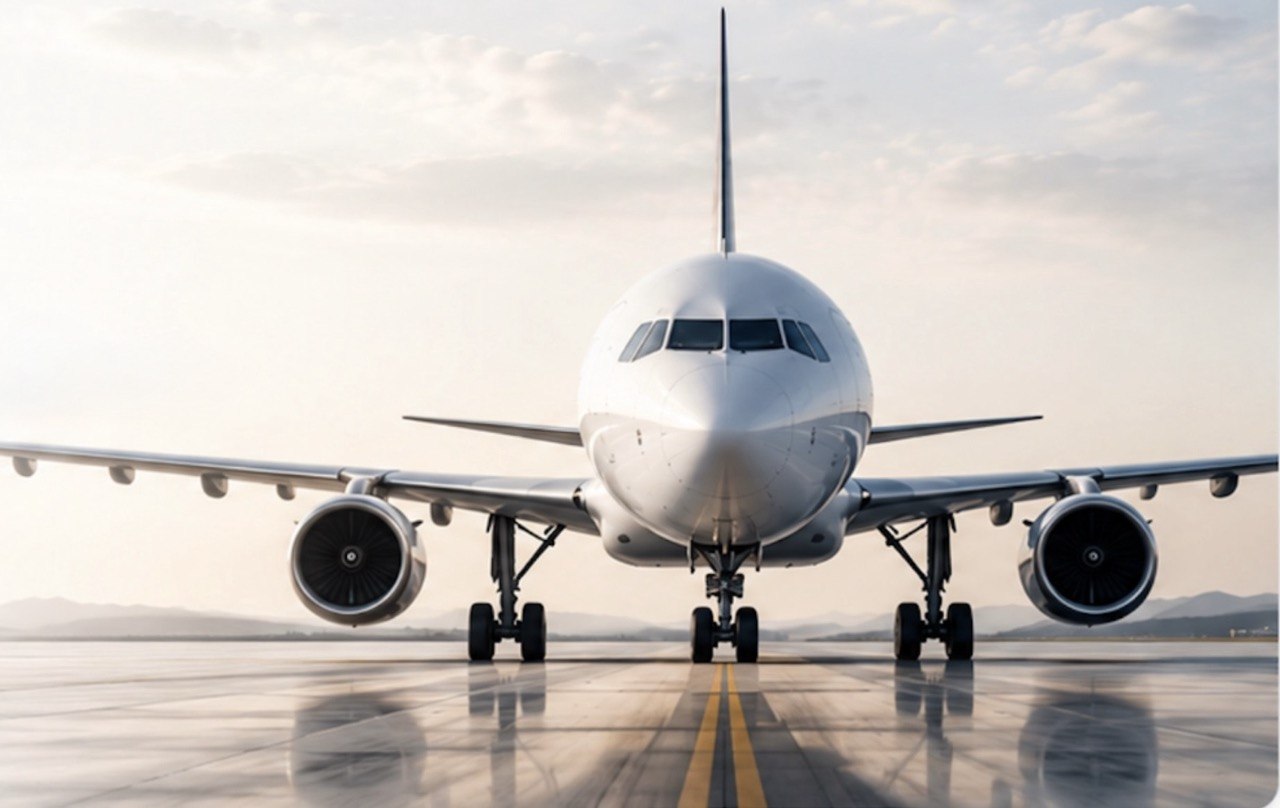
According to the Dubai Government, work on the airport's initial phase is progressing in line with project timelines. Construction began more than a year ago on runway infrastructure and the structural foundations for passenger terminals and aircraft gates.
A new gateway designed for future demand
Once completed, Al Maktoum International Airport is expected to become the world's largest airport by passenger capacity.
Project plans include:
- Annual capacity of 260 million passengers
- Five runways
- Two passenger terminals
- More than 430 aircraft stands
- An automated shuttle system connecting terminals, gates and transport links
The development is intended to serve as Dubai's next major aviation hub, supporting future expansion in both passenger travel and air cargo operations.
Construction enters the next phase
The Dubai Government has allocated AED16 billion for the current phase of the project.
According to the official update, the next stage of construction will focus on:
- The Western Passenger Terminal
- A fourth aircraft concourse
- An automated passenger shuttle network
- The airport's baggage handling system
These facilities form part of the airport's first operational phase, which remains scheduled to begin handling flights in 2032.
Supporting Dubai's long-term aviation strategy
Khalifa Al Zaffin, Executive Chairman of Dubai Aviation City Corporation, said the airport has been designed to accommodate rising demand as Dubai strengthens its position as a global aviation and logistics centre.
He said the project extends beyond expanding airport infrastructure and aims to integrate advanced technologies, automation and connected transport systems to improve passenger movement and airport operations.
The airport is also expected to strengthen Dubai's role as an international transit hub linking Europe, Asia and other global markets.
Building on Dubai's aviation network
The new airport will eventually complement and expand the emirate's aviation capacity beyond Dubai International Airport (DXB), one of the world's busiest international gateways.
According to the figures cited in reports, DXB handled 95.2 million passengers in 2025, making it the world's second busiest airport during the year.
More recently, regional airspace disruptions following conflict in the Middle East affected traffic across the region. Passenger numbers reportedly fell to 2.5 million in March, representing a 65.7 per cent year-on-year decline.
Following the reopening of regional airspace, Dubai Airports said operations had entered a recovery phase, with airlines progressively restoring schedules as neighbouring airspace conditions permitted.
Aviation infrastructure on an unprecedented scale
Large hub airports continue to play a central role in global aviation, allowing airlines to consolidate long-haul networks, increase connectivity and accommodate growing passenger volumes.
Al Maktoum International has been conceived with this long-term objective in mind. Beyond its physical scale, the project is intended to integrate airport operations, transport infrastructure and logistics systems within a single aviation ecosystem.
Its combination of runway capacity, aircraft parking, terminal infrastructure and automated transport is expected to support significant future expansion as international travel continues to recover and grow.


Join the conversation
No comments yet
Be the first to share your thoughts!
Sign In to Comment