
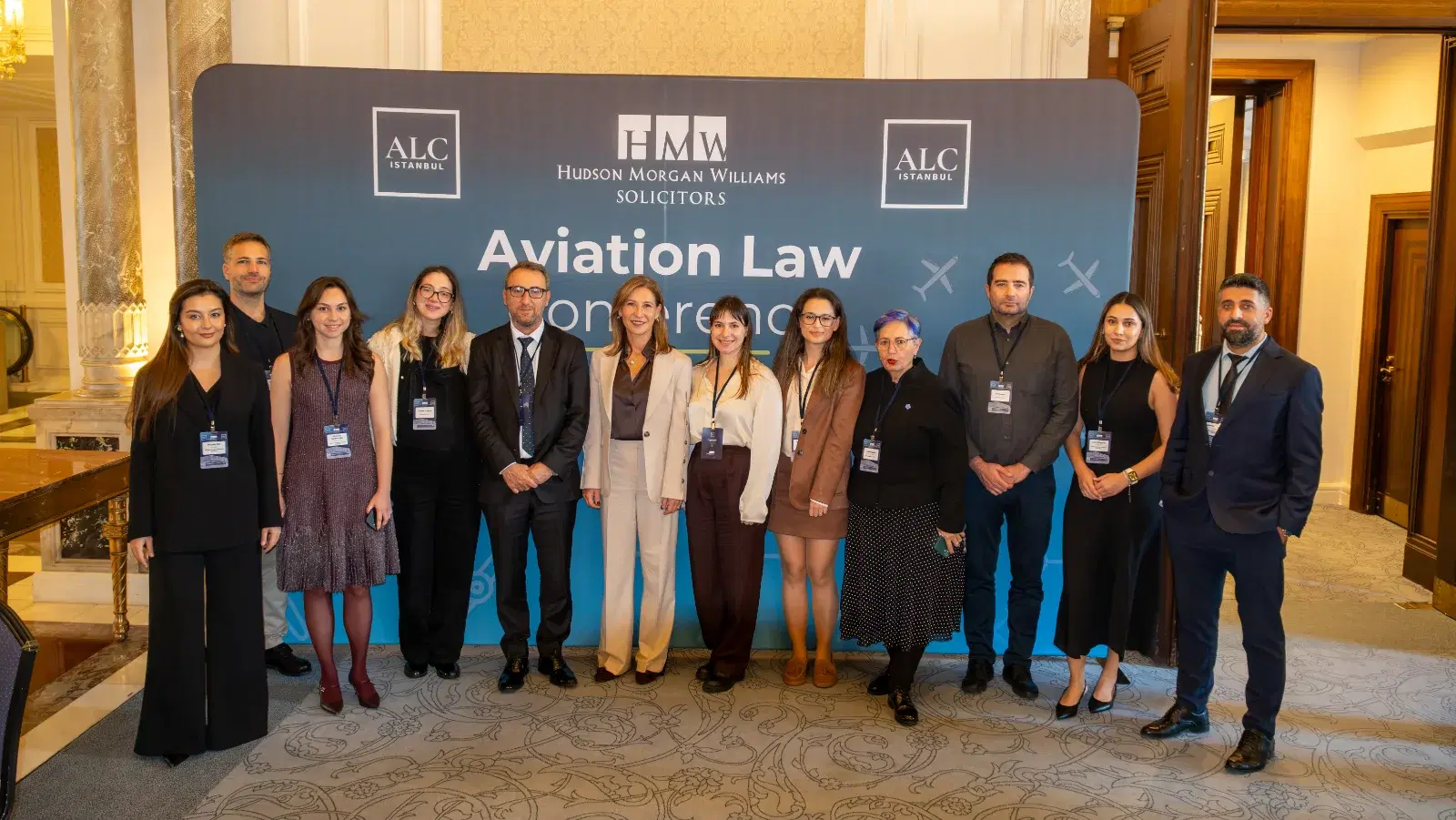
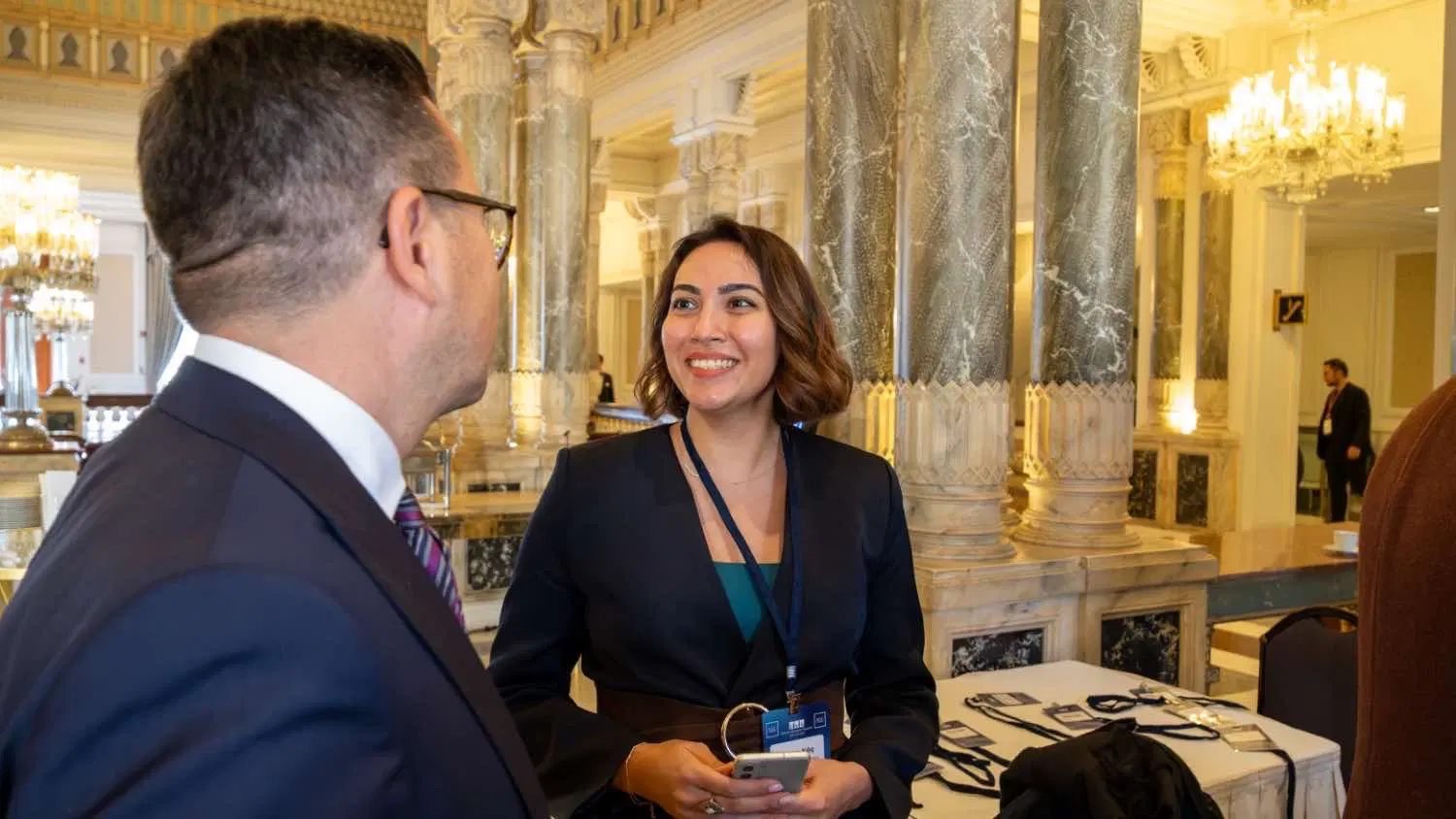
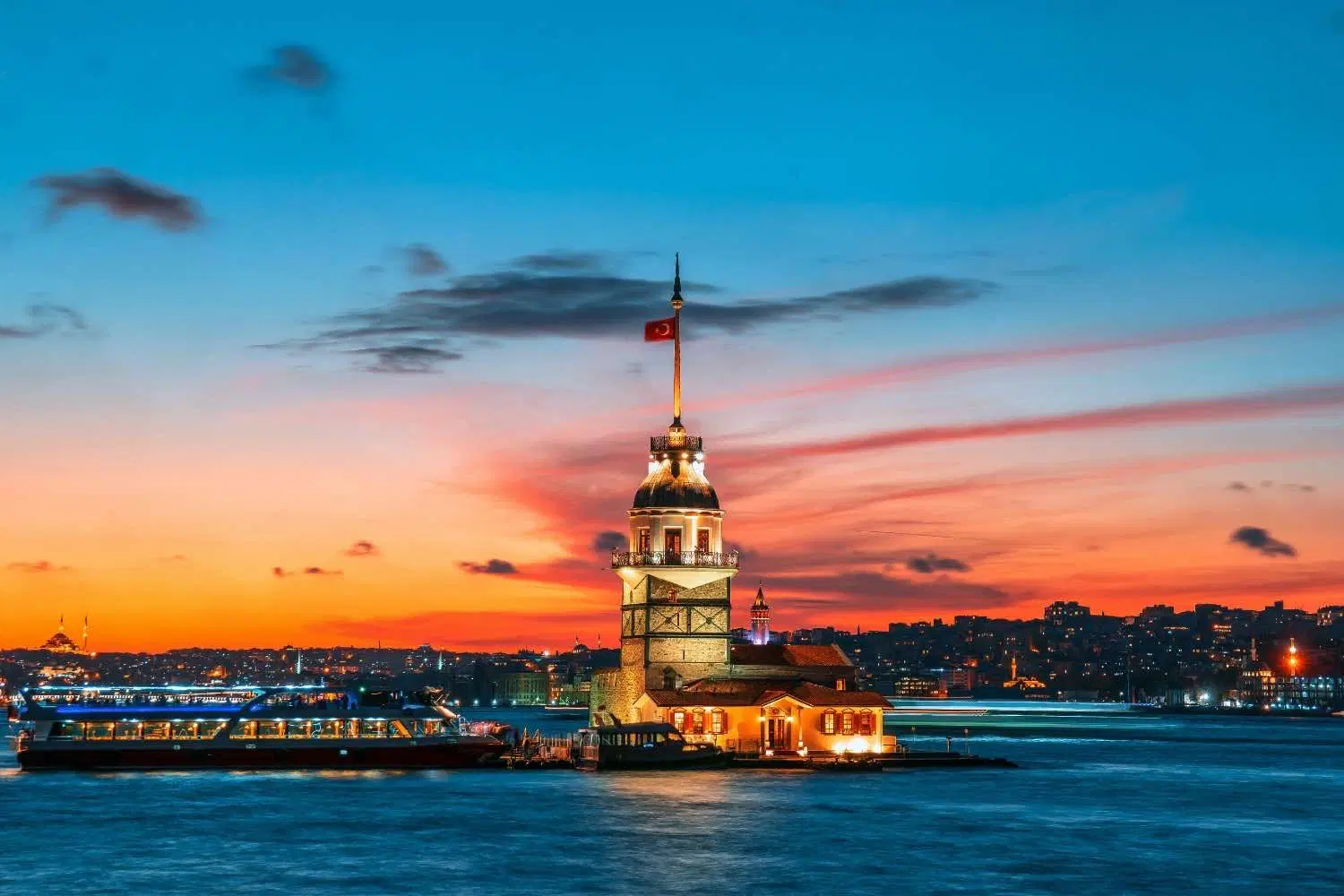
Hudson Morgan Williams Solicitors, a London-based law firm, held the International Aviation Law Conference 2026 at Çırağan Palace Kempinski in Istanbul on 6 November. More than 150 people attended.
Parijat Sourabh7 min read
Participants included legal practitioners, regulators, civil aviation authorities, academics, airline operators, eVTOL developers and airport operators. The conference had one keynote speech and six panel discussions. They looked at how legal frameworks, regulatory cooperation and new technology can help make aviation safe, sustainable and commercially strong.
Hudson Morgan Williams serves as a bridge for Turkish businesses in England and Türkiye. The firm said the conference gave industry leaders and lawyers a place in Istanbul to share expertise and discuss the practical effects of change. It hopes the event will lead to more dialogue and similar opportunities for collaboration.
Opening remarks
The conference was opened by Zafer Armutlu, Managing Partner of Hudson Morgan Williams Solicitors, and Feyzullah Çınar, Deputy Director General of Türkiye's Directorate General of Civil Aviation.
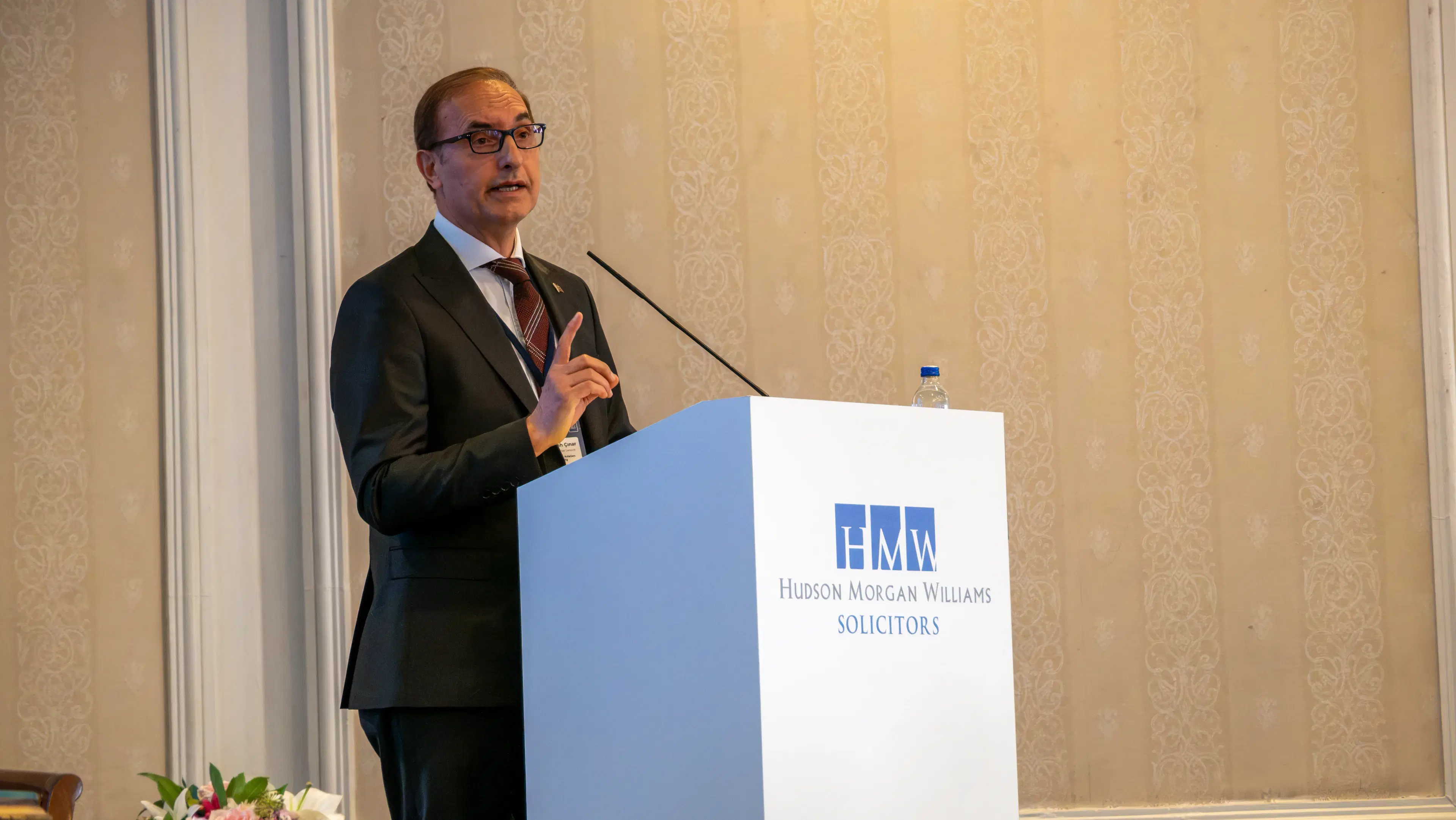
Çınar said that no objective in aviation should come before flight safety. He explained that international standards and recommended practices give states a common framework, but countries also need effective national laws, strong oversight and transparent decision-making. He also spoke about the Directorate General's Corporate Transformation Model and its approach to digital transformation. He highlighted international alignment, institutional capacity and sustainability.
Keynote speech
The keynote was given by Salvatore Sciacchitano, former President of the Council of the International Civil Aviation Organization (ICAO). He looked back on his time as president and on the developments shaping international aviation.
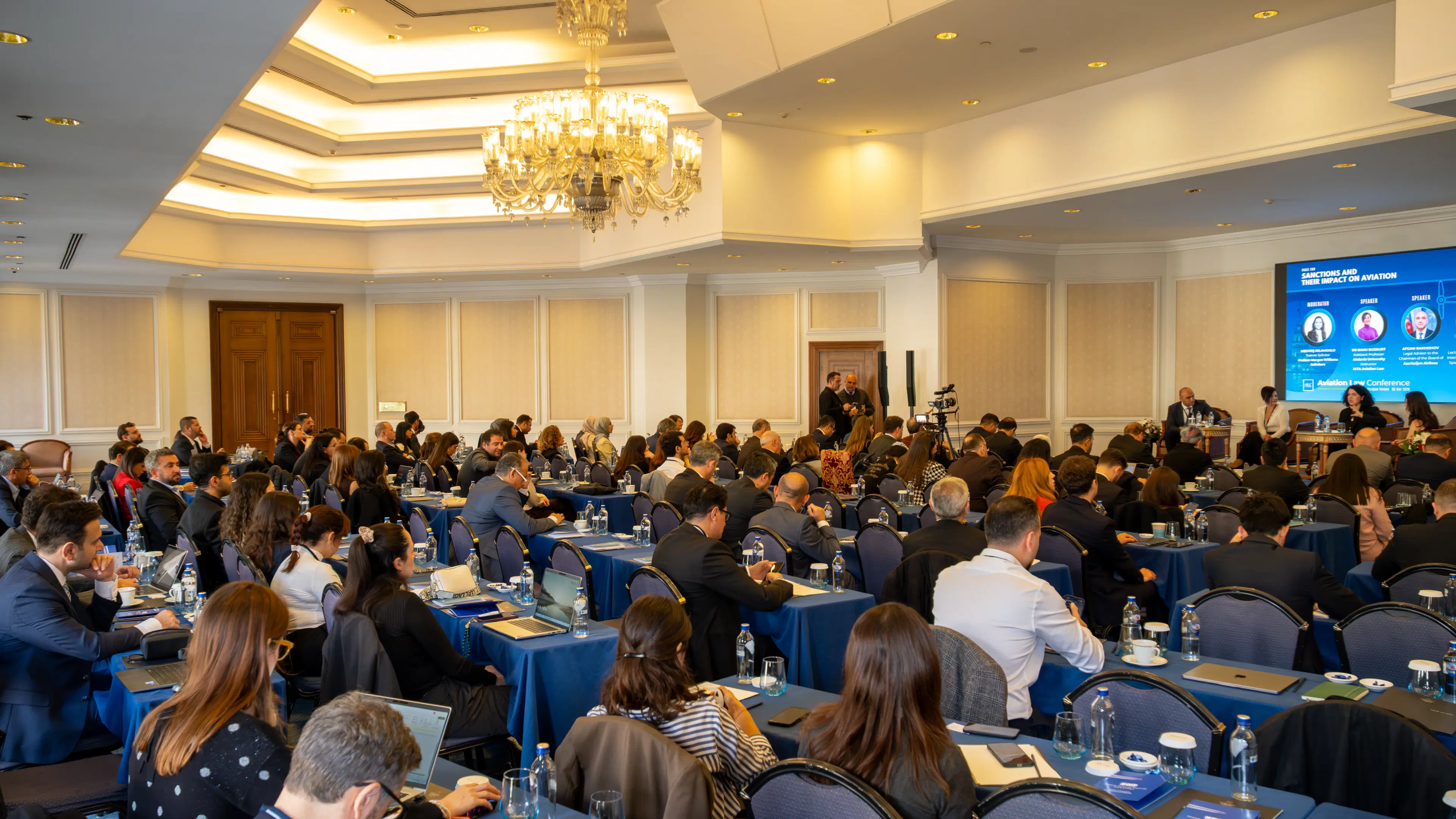
Sciacchitano spoke about how the industry coped with the COVID-19 pandemic and geopolitical crises, and about progress on decarbonisation and the modernisation of ICAO. He said developing markets are playing a bigger part in global aviation. Better infrastructure and connectivity in Africa, Asia and other regions could create opportunities for airlines, businesses and communities, he said, but states need support to put international standards in place.
He also talked about the effects of geopolitical tension, including airspace restrictions, congestion, higher operating costs and interference with satellite navigation. The challenge, he said, is to handle future traffic growth while staying safe and making better use of airspace.
On sustainability, Sciacchitano recalled that ICAO adopted its long-term goal of net-zero carbon emissions from international aviation by 2050 while he was president. He spoke about sustainable aviation fuels, new aircraft technology and more efficient operations, and accepted that it will be hard to produce more fuel and bring down costs. He called for supportive policies and a coordinated global approach. He ended by saying international cooperation is central to aviation's future, and that conferences like this help people share experience.
Panel one: aviation law and arbitration
The first panel was moderated by Lale Kaplan, founder of Selamoğlu Law Firm and an instructor for IATA and Özyeğin University. It looked at how aviation disputes can be prevented and resolved.
Armutlu spoke about careful drafting of wet and dry lease agreements. He went through the contract terms parties should think about when sharing risk and planning for disputes. He said arbitration, especially the specialist knowledge of arbitrators in niche matters, is a useful alternative to court.
Utku Coşar, Vice President of the London Court of International Arbitration, said arbitration can protect business relationships by giving a private forum where settlement is still possible. Coşar pointed to confidentiality, access to specialists, and tools such as interim relief and early determination. These matter in urgent disputes about grounded aircraft and disrupted operations, and in an industry where a fairly small group of companies need to keep good relationships.
Sajid Suleman, a barrister at Outer Temple Chambers in London, spoke about choosing the arbitral seat and the role of its courts. He discussed the long appeal of English law and English courts, and how commercial preferences are changing, with centres such as Singapore and Dubai becoming more prominent.
Panel two: sanctions and aviation
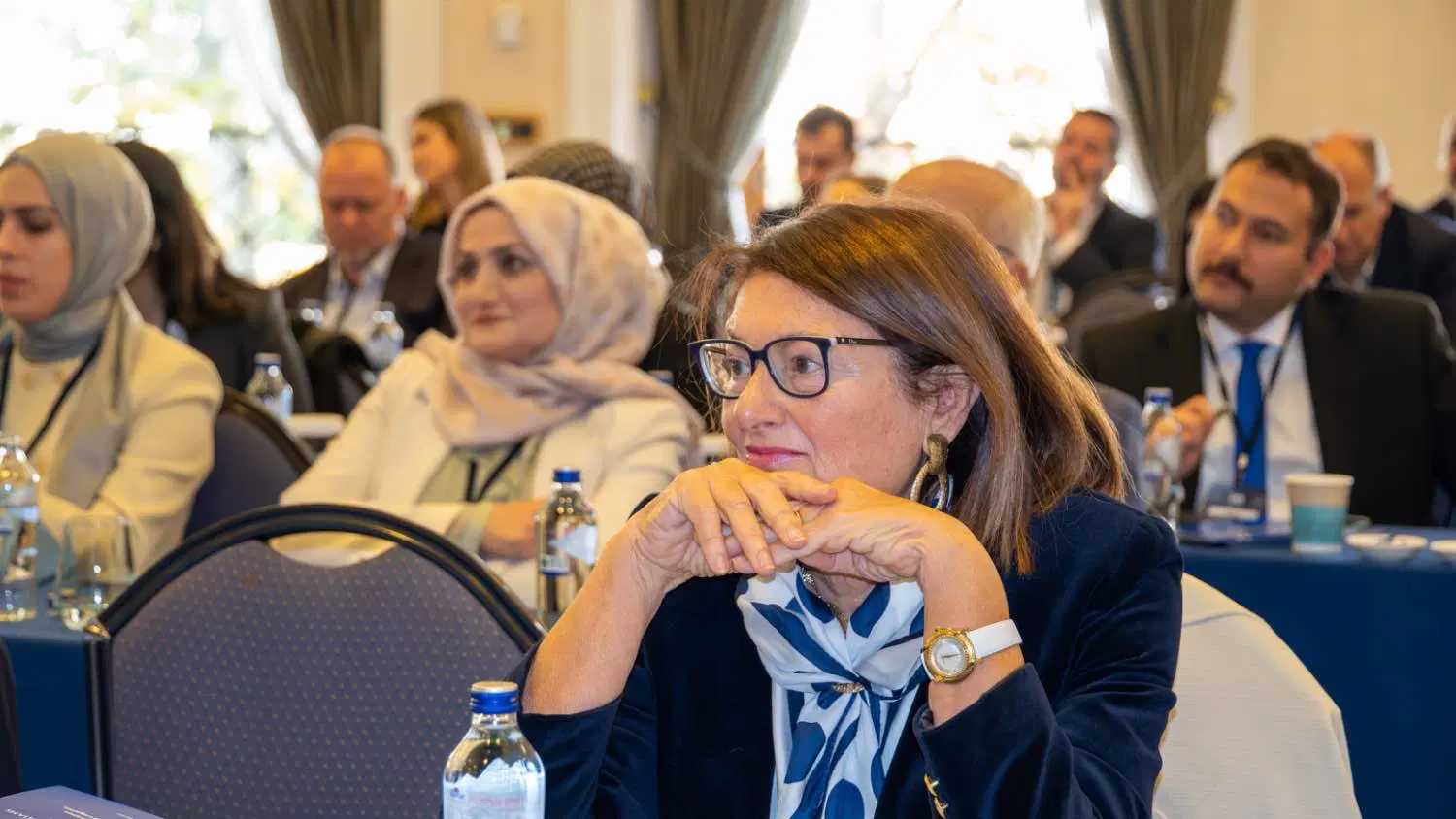
Mehveş Selamoğlu, Trainee Solicitor at Hudson Morgan Williams, moderated the second panel. It looked at how sanctions affect aircraft lease agreements, especially insurance and reinsurance, and what good sanctions compliance looks like when geopolitical tension is high.
Tuvana Aras, Lecturer and Doctoral Researcher at Leiden University's International Institute of Air and Space Law and Europa Institute, explained the EU sanctions regime and the difference between embargoes and sanctions. She described the political and institutional background to EU restrictive measures, including the role of Member States and the problems caused by differing national interests. She finished by talking about environmental implications for the industry.
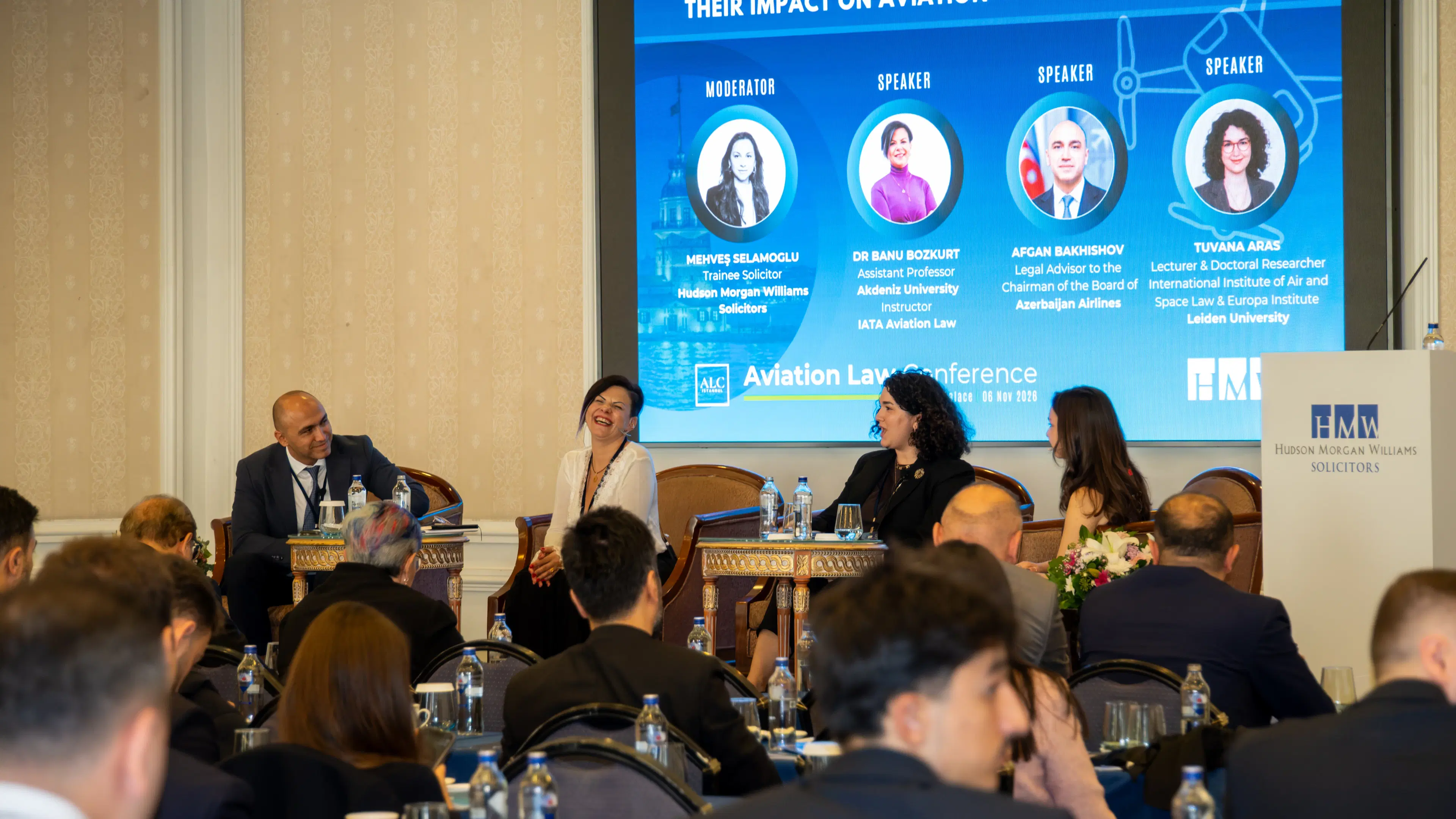
Dr. Banu Bozkurt, Assistant Professor at Akdeniz University and an IATA Aviation Law instructor, spoke about the practical effects of sanctions on aircraft leasing and charter arrangements. She stressed the need to know the parties behind each deal, including lessors, insurers, reinsurers and payment recipients. She also pointed to due diligence before signing, monitoring during the contract and careful handling of what happens if restrictions change. She added that sanctions can affect where aircraft are used, route restrictions in contracts and the risks of government decisions.
Afgan Bakhishov, Legal Advisor to the Chairman of the Board of Azerbaijan Airlines, said compliance is an ongoing process. He stressed business mapping, stakeholder awareness and coordinated decision-making. He said everyone involved should understand why sanctions exist and what they mean, and should know the difference between prohibited activity and business that can continue.
Panel three: making aviation more cost-effective
Ismail Şık, Solicitor at Hudson Morgan Williams, moderated the third panel on smart airports and cost-effective airlines. It looked at how airports and airlines can work more efficiently while keeping service quality high.
Selahattin Bilgen, Chief Executive Officer of iGA Istanbul Airport, described how the airport offers competitive costs and high service standards. He said the number of airlines operating scheduled commercial services had grown from 61 when the airport began operating in 2018 to 118. He pointed to Istanbul's geographical advantages and to the use of robotics and artificial intelligence.
Atılay Batu, Accountable Manager at Corendon Airlines, spoke about the financial and operational benefits of using AI across airline departments. He said technology can reduce time spent on routine tasks, improve productivity and help manage costs that are reflected in passenger fares. He stressed that aviation remains a human-centred industry and that human expertise and oversight are still essential.
Panel four: AI and the future of aviation
The fourth panel was moderated by Haydar Yalçın, Vice President of Middle East of the International Federation of Airworthiness. It featured Güliz Öztürk, Chief Executive Officer of Pegasus Airlines.
Öztürk called for real cooperation between stakeholders when national and international rules are made. She said airlines should help design the rules they will have to follow, especially because they deal directly with passengers.
She said involving airlines would help ensure regulations are practical and account for operational challenges and passenger costs.
She also described Pegasus's digital transformation since 2018, which moved from earlier machine-learning tools to a wider organisational and cultural change supported by AI. She said the airline had carried out more than 50 AI projects over the past two years, many working behind the scenes in operational processes, predictive maintenance and catering forecasts.
Panel five: drones in global airspace
Associate Professor Dr Mürsel Doğrul, a faculty member at National Defence University, moderated the fifth panel. It looked at the legal frameworks and infrastructure needed to bring drones safely into global airspace.
Francesca Pellegrino, Professor of Air and Space Law at the University of Messina, spoke about international aviation law, including the Chicago Convention framework. She also discussed Europe's move away from approaches based on manned aviation towards a more integrated regulatory framework.
Professor Dr Elmar M. Giemulla, an aviation law and aviation security law specialist at Embry-Riddle Aeronautical University, spoke about the practical challenges facing air taxis and urban drone operations. These include take-off and landing sites, air traffic management and flying in crowded cities. He questioned whether existing airport regulations can accommodate networks of small urban landing sites and how infrastructure outside city centres could affect the usefulness of these services.
Panel six: urban air mobility and eVTOL
Yalçın also moderated the final panel, which looked at the operational, legal and technological basis of urban air mobility and electric vertical take-off and landing aircraft (eVTOL).
Munish Khurana, Senior Manager at EUROCONTROL, explained the difference between today's small-drone operations and emerging eVTOL services. He gave examples of current drone uses and spoke about the role of U-space and telecommunications infrastructure.
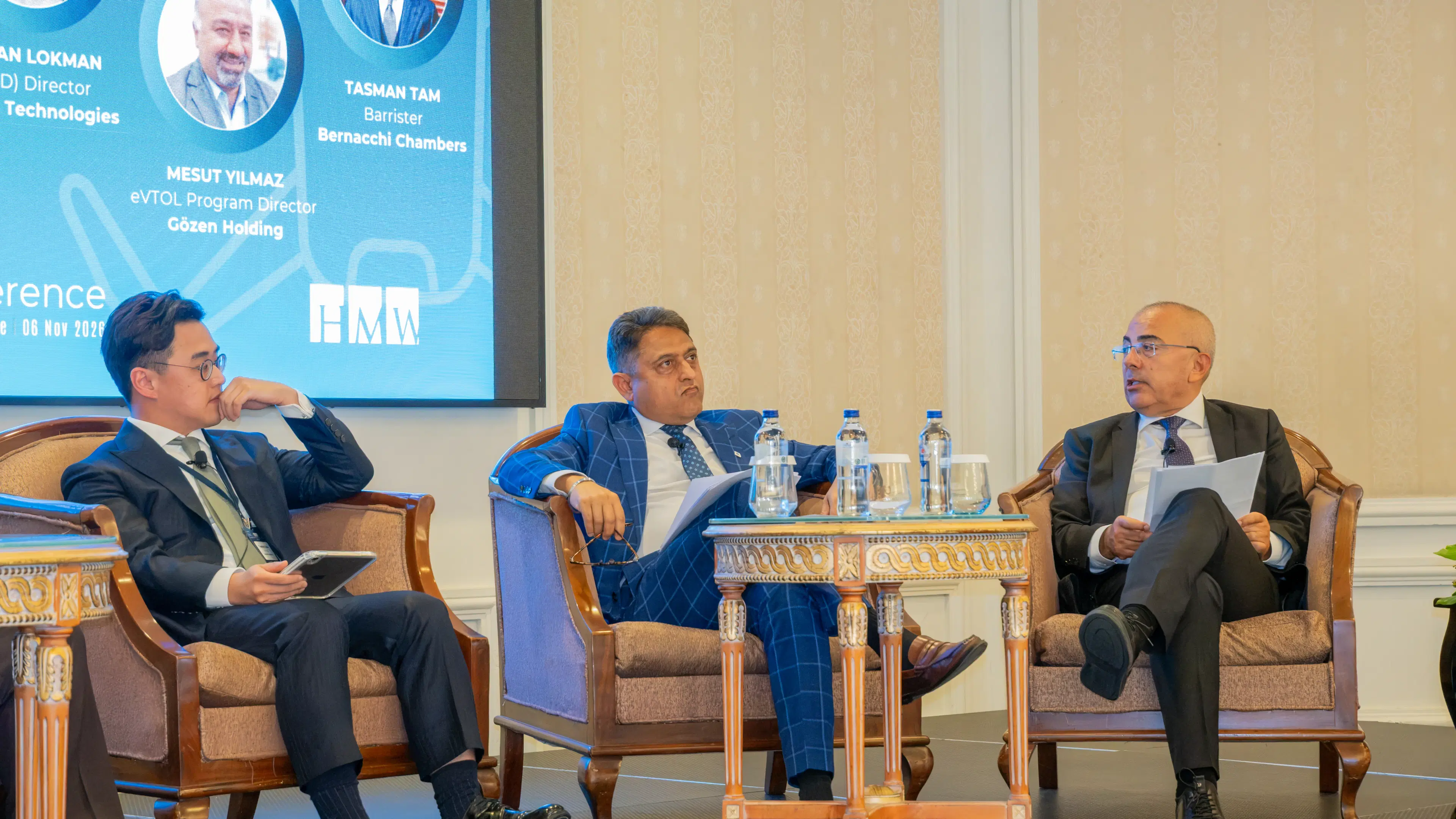
Tasman Tam, a barrister at Bernacchi Chambers, spoke about the development of Hong Kong's low-altitude economy and the difficulty of opening airspace in a crowded city without hurting safety. He discussed risks around buildings and populated areas and the possible use of designated flight corridors. He also described a move from operation-specific to operator-specific permissions to speed up approvals, and the challenge of coordinating certification between Hong Kong and mainland China.
Erhan Lokman, R&D Director at Argela Technologies, said telecommunications is basic infrastructure for drones and eVTOLs. He spoke about the need for secure, reliable communications that suit operational needs at the right flight altitudes, and about how 5G, including network slicing, can support these services.
Mesut Yılmaz, eVTOL Program Director at Gözen Holding, spoke about automated flight and how eVTOL services could be used in Istanbul. Using the Bosphorus and the link between the city's European and Asian sides as an example, he explained how new aviation technology could help make urban transport more sustainable. He said regulators, government and the private sector would need to work together.
Across the keynote and six panels, speakers said legal frameworks, infrastructure and operational capability need to be developed together as aviation adopts new technology. Safety, sustainability, human expertise and cooperation between stakeholders came up again and again.
Attendees welcomed the depth of the discussions and said the conference filled a gap in the sector. Hudson Morgan Williams said it hopes to build on the conference's success by encouraging further dialogue and collaboration in Türkiye and internationally.
Join the conversation
Insightful!