
Airbus reported its consolidated financial results for the nine months ended 30 September 2026.
Airbus recorded 1,174 gross commercial aircraft orders in the first nine months of 2026, up from 610 in the same period last year. Net orders after cancellations stood at 1,105, compared with 514 a year earlier. Its commercial aircraft backlog reached 9,310 at the end of September.
Airbus Helicopters recorded 311 net orders, up from 306 in the first nine months of 2025, with a backlog of 1,122 units.
Meanwhile, Airbus Defence and Space reported order intake worth €11.5 billion, compared with €6.8 billion in the same period last year.
Airbus’ consolidated revenues rose 7% year-on-year to €50.6 billion in the first nine months of 2026, compared with €47.4 billion in the same period last year.
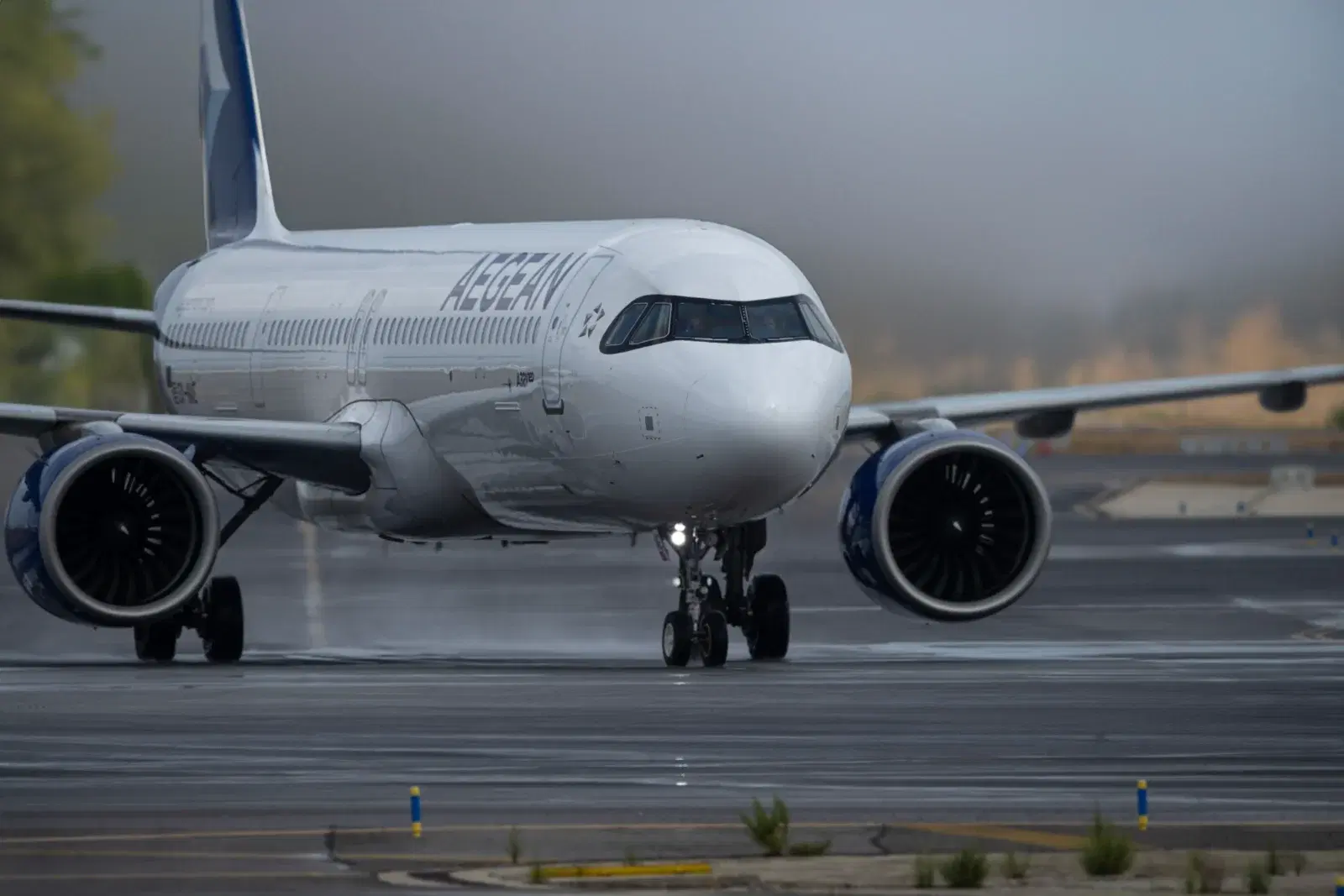
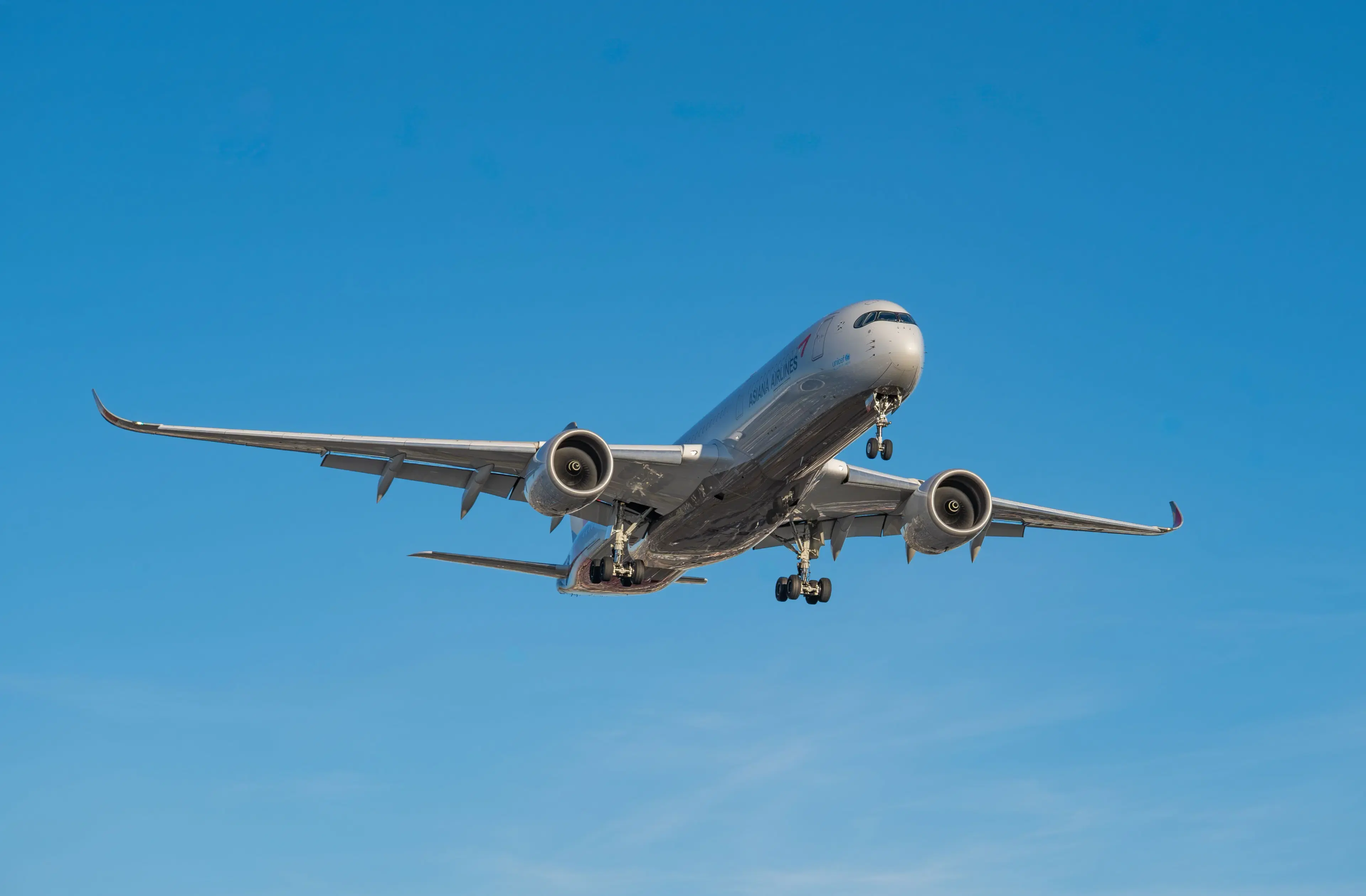
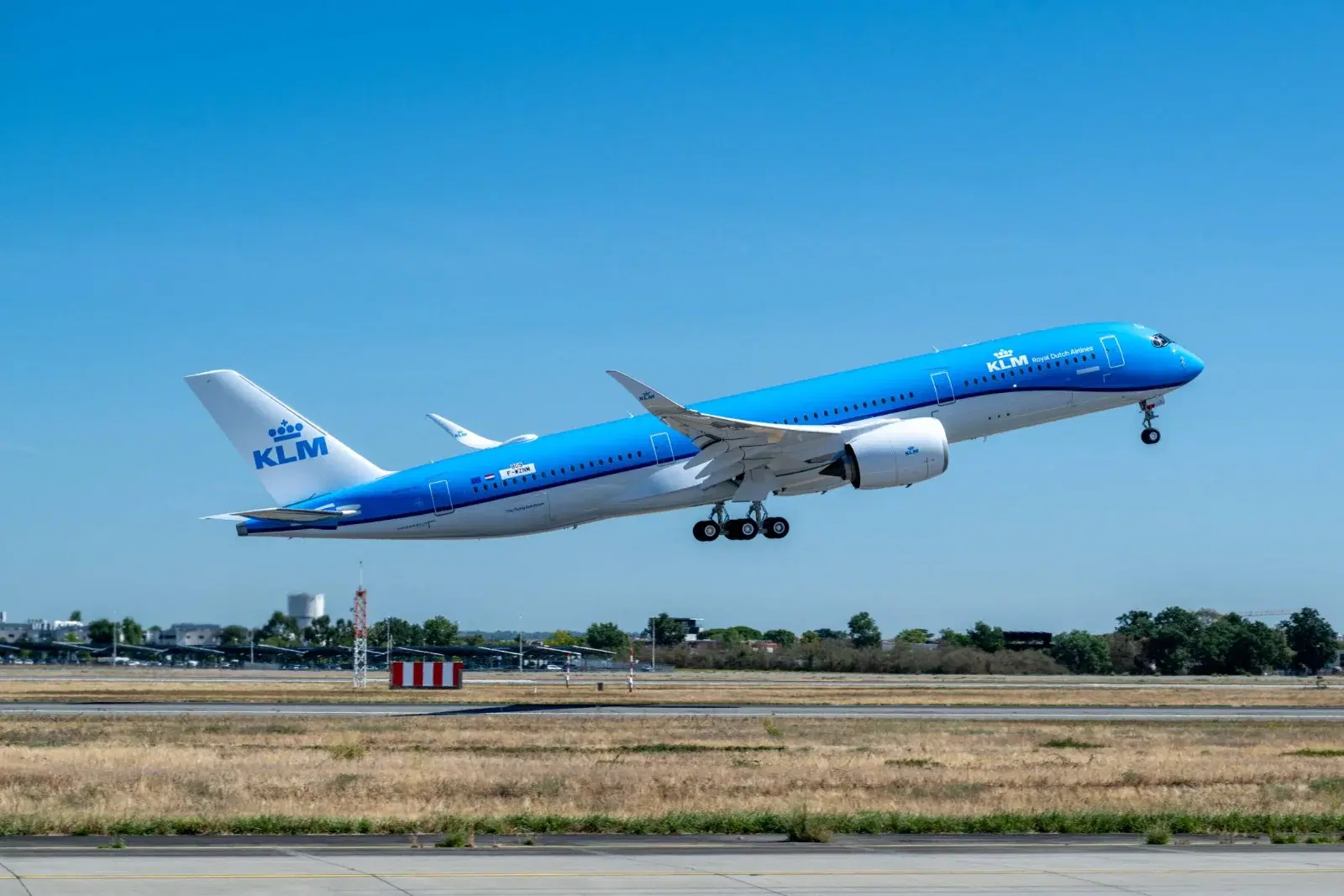
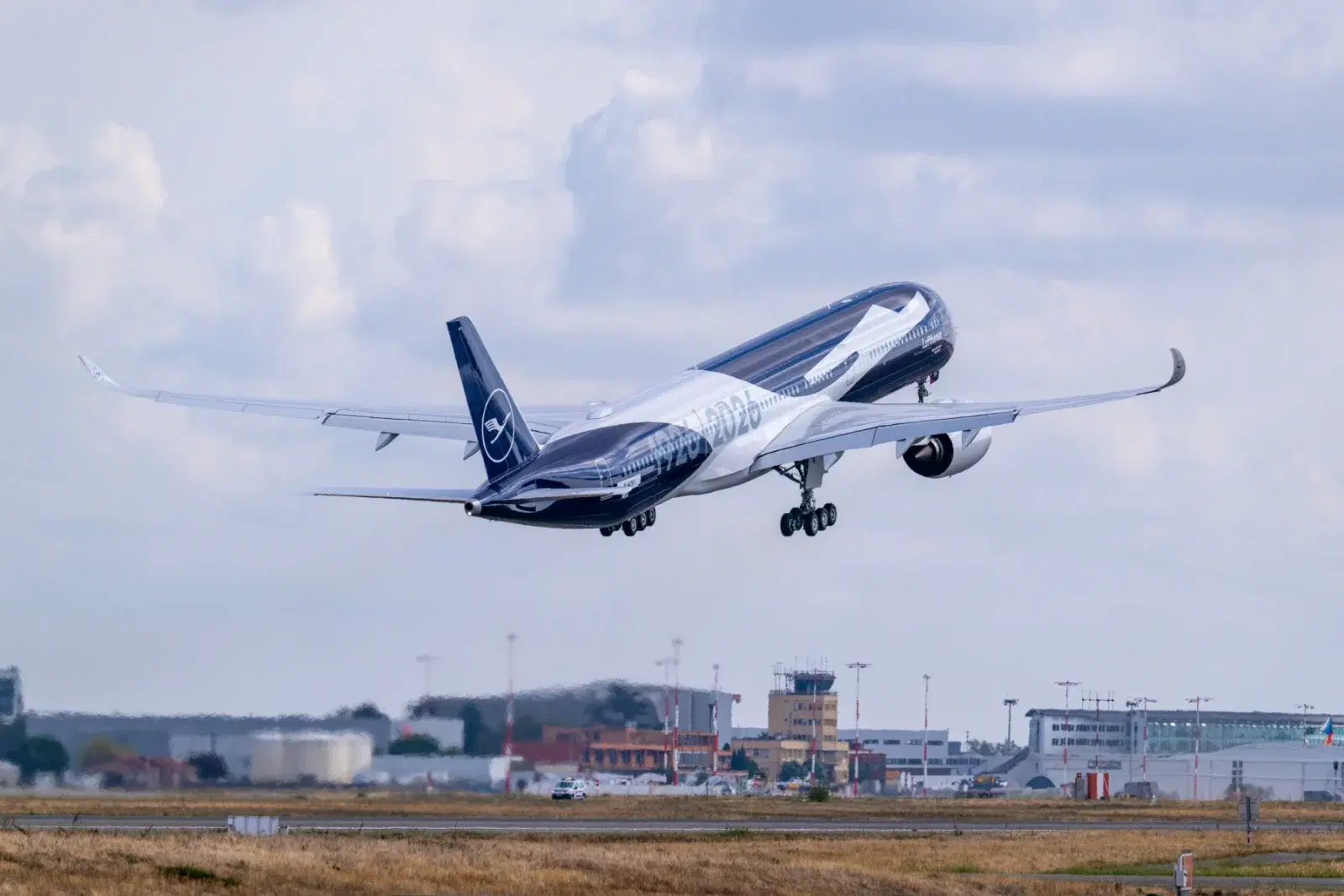
The company delivered 547 commercial aircraft, up from 507 a year earlier. Deliveries included 68 A220s, 428 A320 Family aircraft, 13 A330s and 38 A350s. Revenue from commercial aircraft activities increased 8% to €36.7 billion, mainly due to higher deliveries and increased services, partly offset by the weaker US dollar.
Airbus Helicopters delivered 226 units, compared with 218 in the first nine months of 2025, while revenues remained broadly stable at €5.6 billion due to a less favourable delivery mix.
Revenues at Airbus Defence and Space rose 5% year-on-year to €9.3 billion, driven by higher volumes across all business units.
Airbus’ consolidated adjusted EBIT rose to €4.495 billion in the first nine months of 2026, up from €4.146 billion in the same period last year. Adjusted EBIT excludes certain material charges and gains, including those related to programme provisions, restructuring, foreign exchange impacts and business disposals or acquisitions, to reflect underlying operating performance.
Adjusted EBIT from Airbus’ commercial aircraft activities rose to €3.362 billion in the first nine months of 2026, compared with €3.270 billion a year earlier. The increase was driven by higher deliveries, partly offset by increased research and development costs and a less favourable hedging rate.
“These nine-month results reflect the upward trajectory of our civil and military ramp-up, supported by strong demand for our products across the entire portfolio,” said Airbus CEO Guillaume Faury. “Against a complex geopolitical and operating environment, we are focused on delivery while maintaining a steadfast focus on quality. Our plan is clear, and our teams are onboard to meet our objectives.”
Airbus continues to target a monthly production rate of 13 A220 aircraft in 2028 as it ramps up production. For the A320 Family, the company expects to reach a monthly rate of 70 to 75 aircraft by the end of 2027, before stabilising at 75. Airbus also aims to achieve a monthly production rate of five A330s in 2029 and 12 A350s in 2028.
Airbus Helicopters’ adjusted EBIT fell to €445 million in the first nine months of 2026, from €495 million a year earlier, reflecting a less favourable delivery mix.
Meanwhile, adjusted EBIT at Airbus Defence and Space rose to €672 million, compared with €420 million in the same period last year, driven by higher volumes and improved profitability across all business units.
Airbus’ self-financed research and development (R&D) expenses rose to €2.327 billion in the first nine months of 2026, compared with €2.145 billion in the same period last year.
Consolidated reported EBIT increased to €4.550 billion, up from €3.365 billion a year earlier. This included net adjustments of +€55 million.
The adjustments comprised a positive €270 million impact from the dollar working capital mismatch and balance sheet revaluation, mainly due to differences between transaction and delivery dates. This included +€146 million in the third quarter.
Costs related to the integration of former Spirit AeroSystems work packages amounted to -€235 million, including -€112 million in the third quarter. Airbus also recorded a positive €60 million adjustment related to its Defence and Space workforce adaptation plan, unchanged from the second quarter.
Other costs, including those related to mergers and acquisitions, amounted to -€40 million, with a positive €3 million adjustment in the third quarter.
Airbus’ financial result fell to €155 million in the first nine months of 2026, compared with €374 million in the same period last year. The result mainly reflected the revaluation of certain equity investments and stakes in venture capital funds managed by Airbus Ventures, partly offset by changes in the valuation of financial instruments and movements in the US dollar.
Consolidated net income rose to €3.587 billion, up from €2.641 billion a year earlier, while reported earnings per share increased to €4.54 from €3.34.
Airbus reported free cash flow before customer financing of negative €1.268 billion in the first nine months of 2026, compared with negative €914 million in the same period last year. The cash outflow was mainly driven by changes in working capital, including inventory build-up linked to deliveries being concentrated towards the end of the year and planned production ramp-ups across its businesses.
Consolidated free cash flow stood at negative €1.108 billion, compared with negative €778 million a year earlier.
Airbus’ gross cash position fell to €21.9 billion at the end of September 2026, from €27.2 billion at the end of 2025. Its net cash position declined to €7 billion from €12.2 billion over the same period.
Airbus expects to deliver around 870 commercial aircraft in 2026, with adjusted EBIT of approximately €7.5 billion and free cash flow before customer financing of around €4.5 billion.
Airbus’ 2026 guidance assumes no additional disruptions to the global economy, air traffic, supply chain, internal operations or the company’s ability to deliver products and services. The guidance is before M&A and includes currently applicable tariffs.
Join the conversation
No comments yet
Be the first to share your thoughts!
Sign In to Comment