
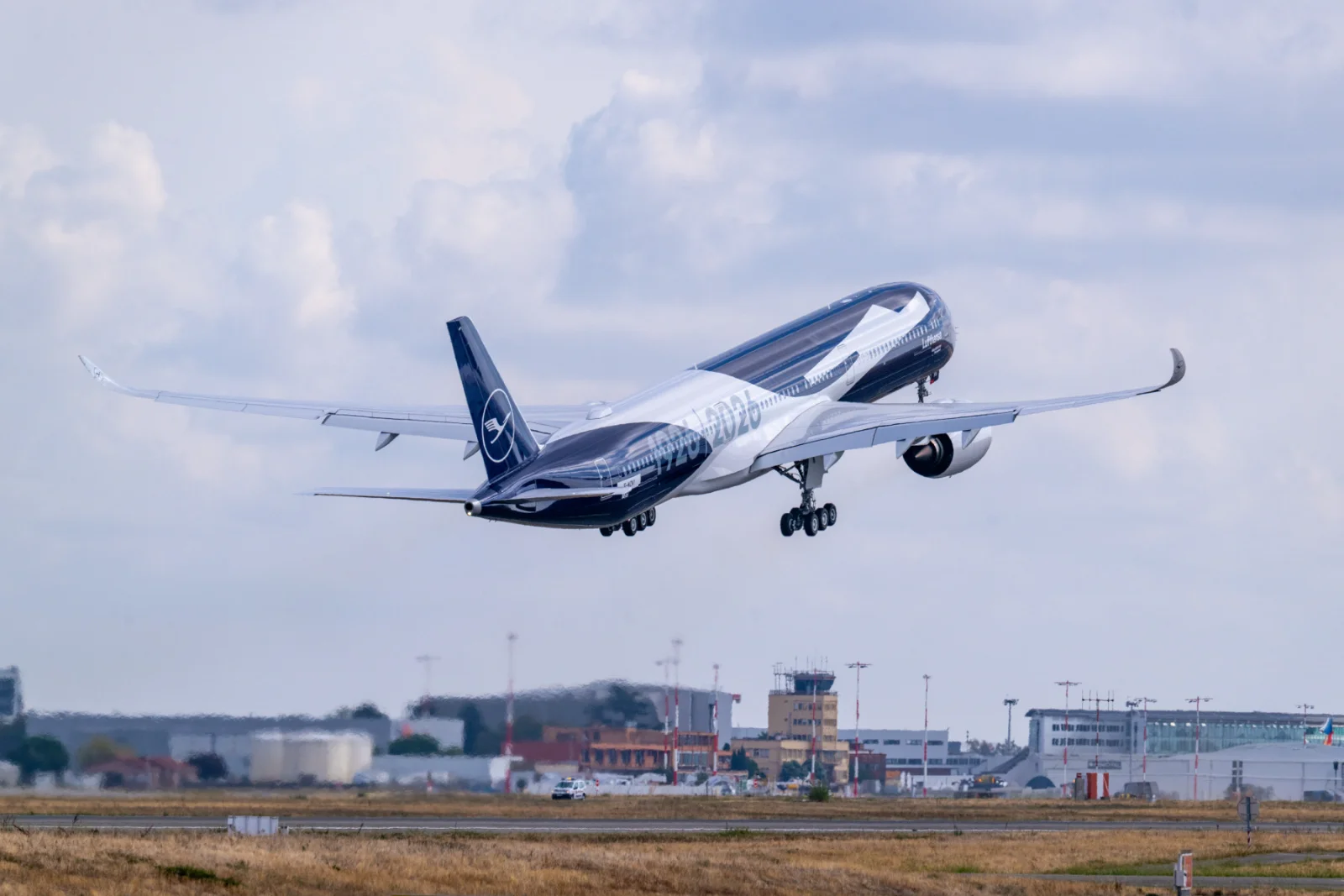
The first Lufthansa Airbus A350-1000 is expected to arrive in Munich from Airbus’ facilities in Toulouse in mid-November. Following final preparations, the aircraft will operate its first passenger flight from Munich to Tokyo Haneda on 3 December 2026.
October 17, 2026 • Parijat Sourabh
Shanghai and Singapore will be added to the airline’s destination network in the following weeks. All flights will feature Lufthansa’s Allegris cabin and will be operated alternately by the A350-1000 and A350-900.
“We are proud that the Airbus A350-1000, Airbus’s most modern long-haul aircraft, is coming to Munich. The introduction of the new A350-1000 is part of the largest fleet modernisation in the history of the Lufthansa Group and a key driver on the path to more sustainability. Our new flagship features 40 percent more Business and Premium Economy seats. To put it simply: The A350-1000 strengthens our premium hub in Munich,” said Heiko Reitz, member of the Lufthansa Airlines Board and Hub Manager Munich.
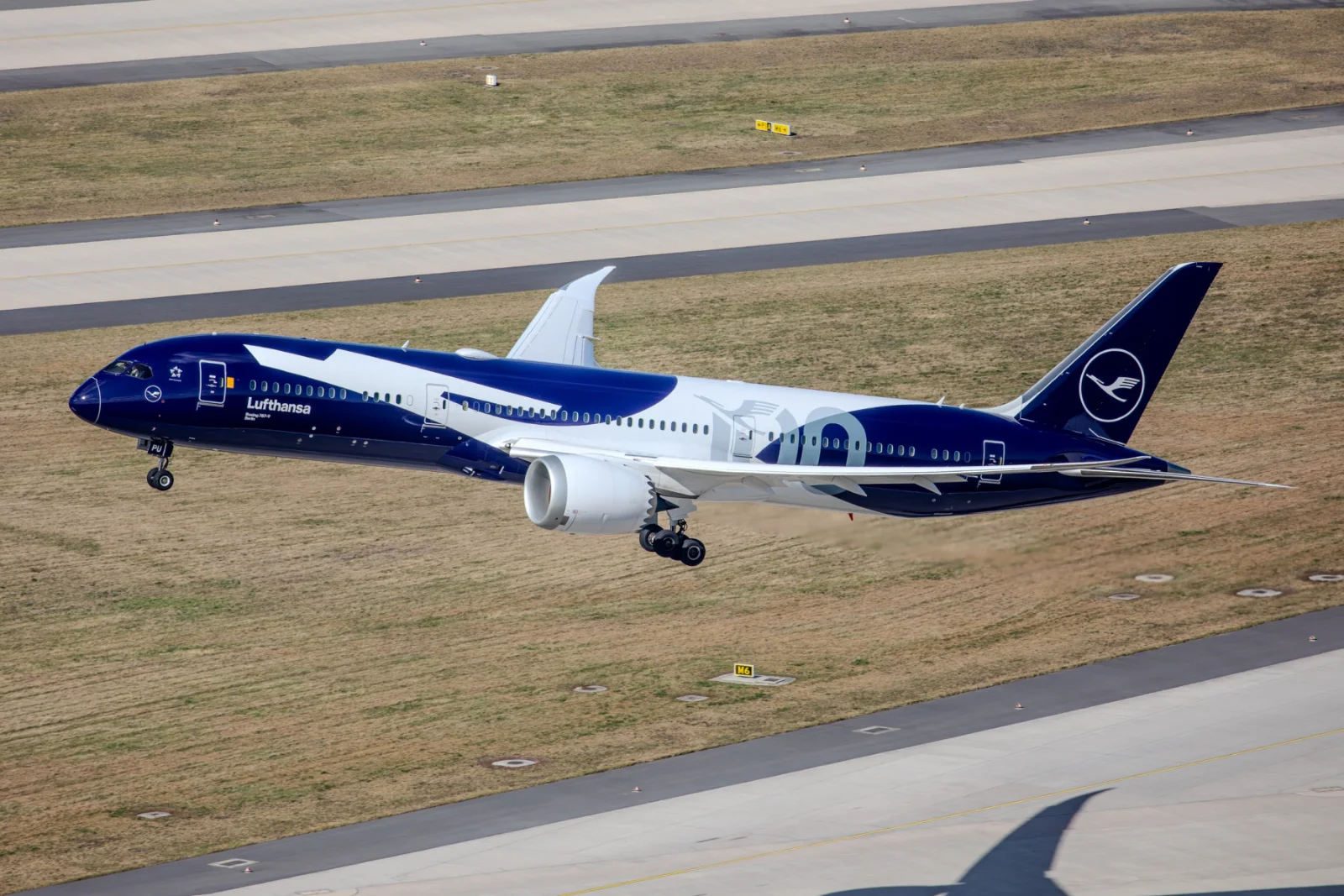
The delivery of the aircraft, named ‘Deutschland’, in mid-November will mark several milestones. The A350-1000, registered as D-AIFA, will be the 700th aircraft delivered by Airbus to the Lufthansa Group and the seventh aircraft in Lufthansa’s anniversary fleet, featuring a special livery to mark the company’s 100th anniversary.
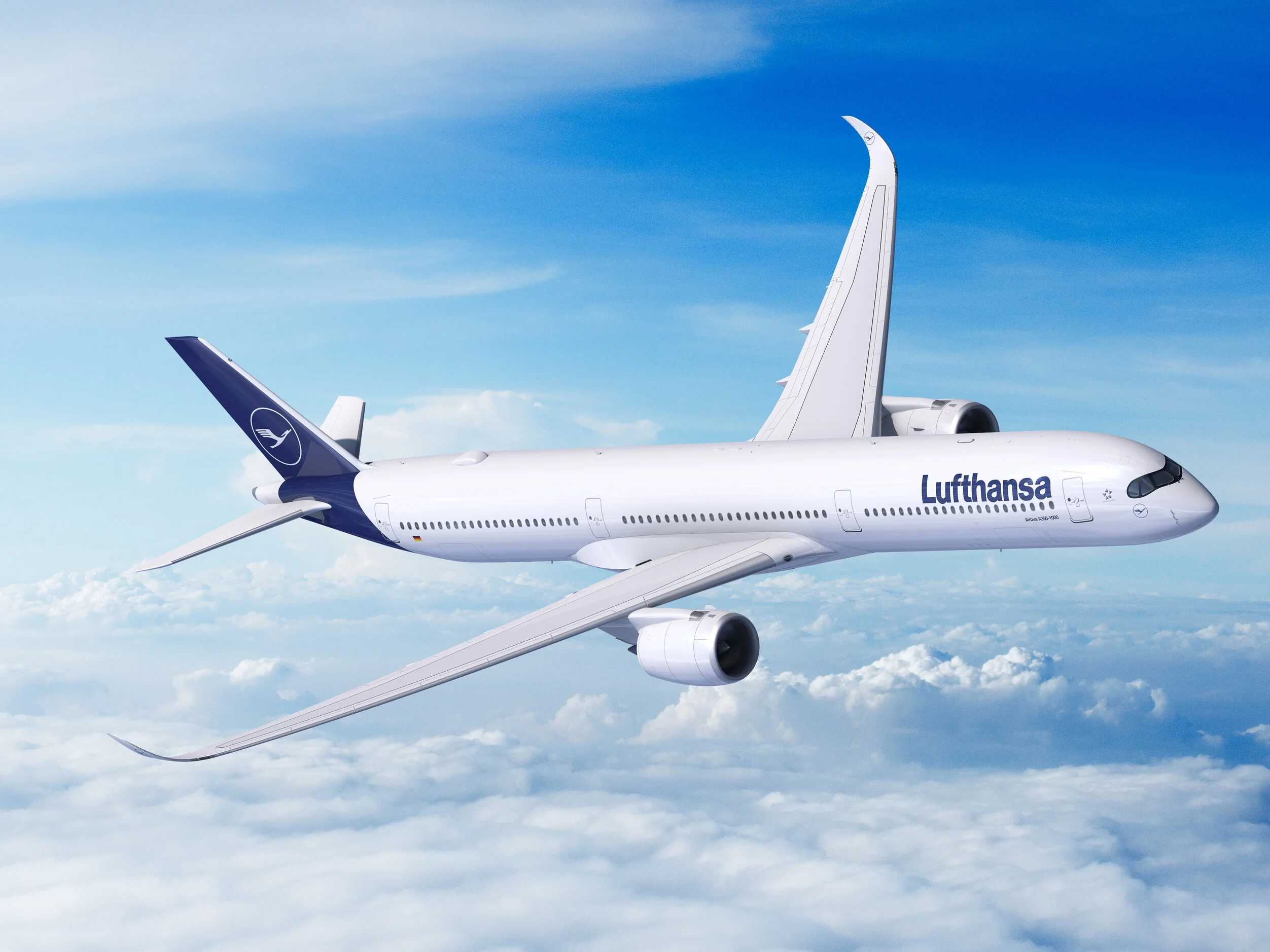
The Lufthansa Group has ordered a total of 15 Airbus A350-1000 aircraft, with deliveries scheduled through 2030. The first ten aircraft will be operated by Lufthansa and based at its Munich hub.
At 73.8 metres long, the Airbus A350-1000 is seven metres longer than the A350-900. Lufthansa’s aircraft will accommodate 300 passengers across four classes: First Class will feature three to four seats, including two single suites and one ‘Suite Plus’, Business Class will have 49 seats, including eight seats in suites, Premium Economy will offer 35 seats, and Economy Class will have 212 seats.
The Airbus A350-1000 features advanced aerodynamics, two Rolls-Royce Trent XWB-97 engines and lightweight materials, including composites, titanium and modern aluminium alloys. More than 50% of the aircraft’s structure is made from composite materials. These technologies help reduce fuel consumption and CO₂ emissions by 25% compared with previous-generation aircraft. The A350-1000 also meets stringent noise requirements, with noise levels well below the latest ICAO Chapter 14 noise standards.
Join the conversation
No comments yet
Be the first to share your thoughts!
Sign In to Comment