
September 26, 2026 • Parijat Sourabh

The defect affects around 500 aircraft, including approximately 250 already in service and another 250 still in production, according to a source familiar with the matter.
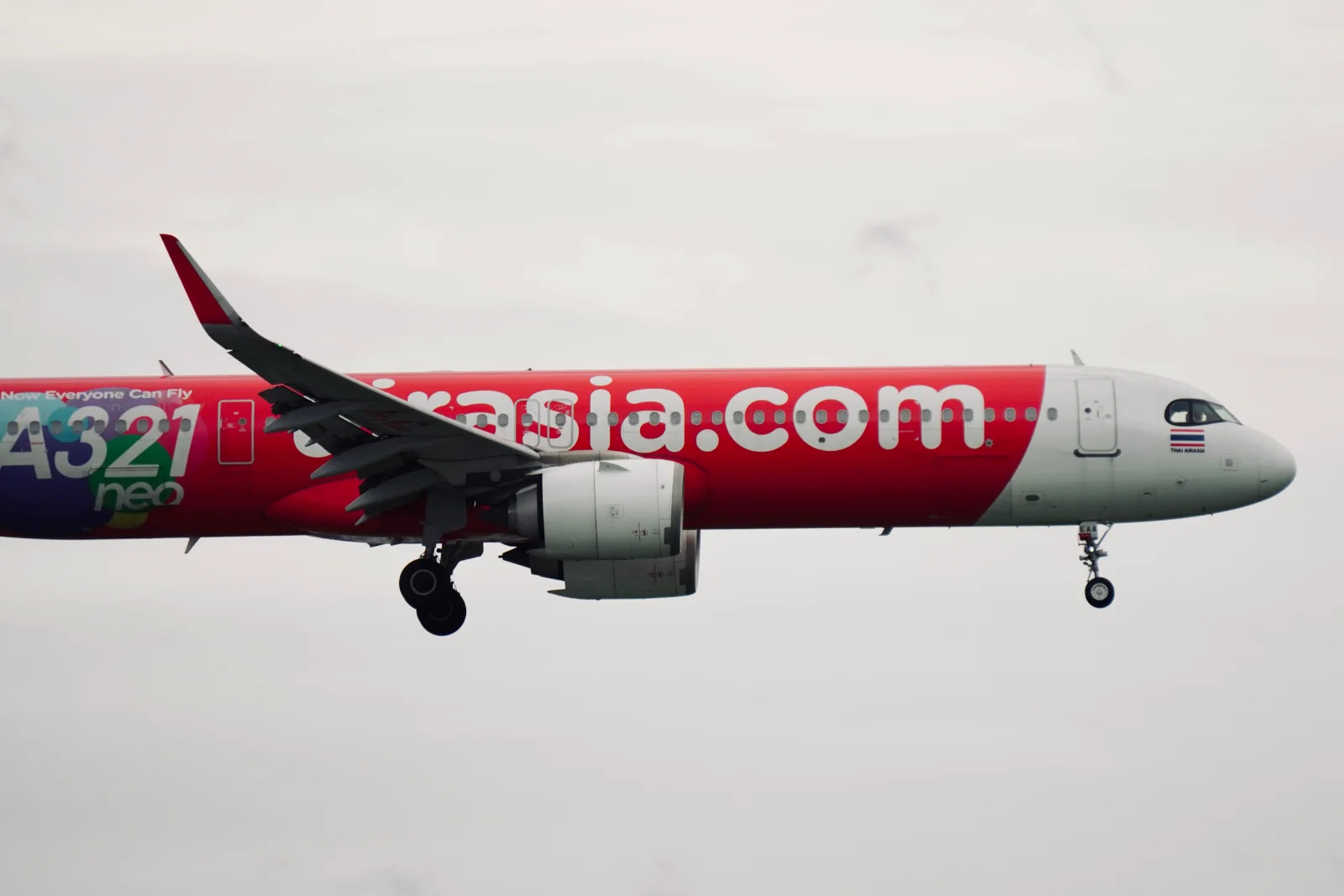
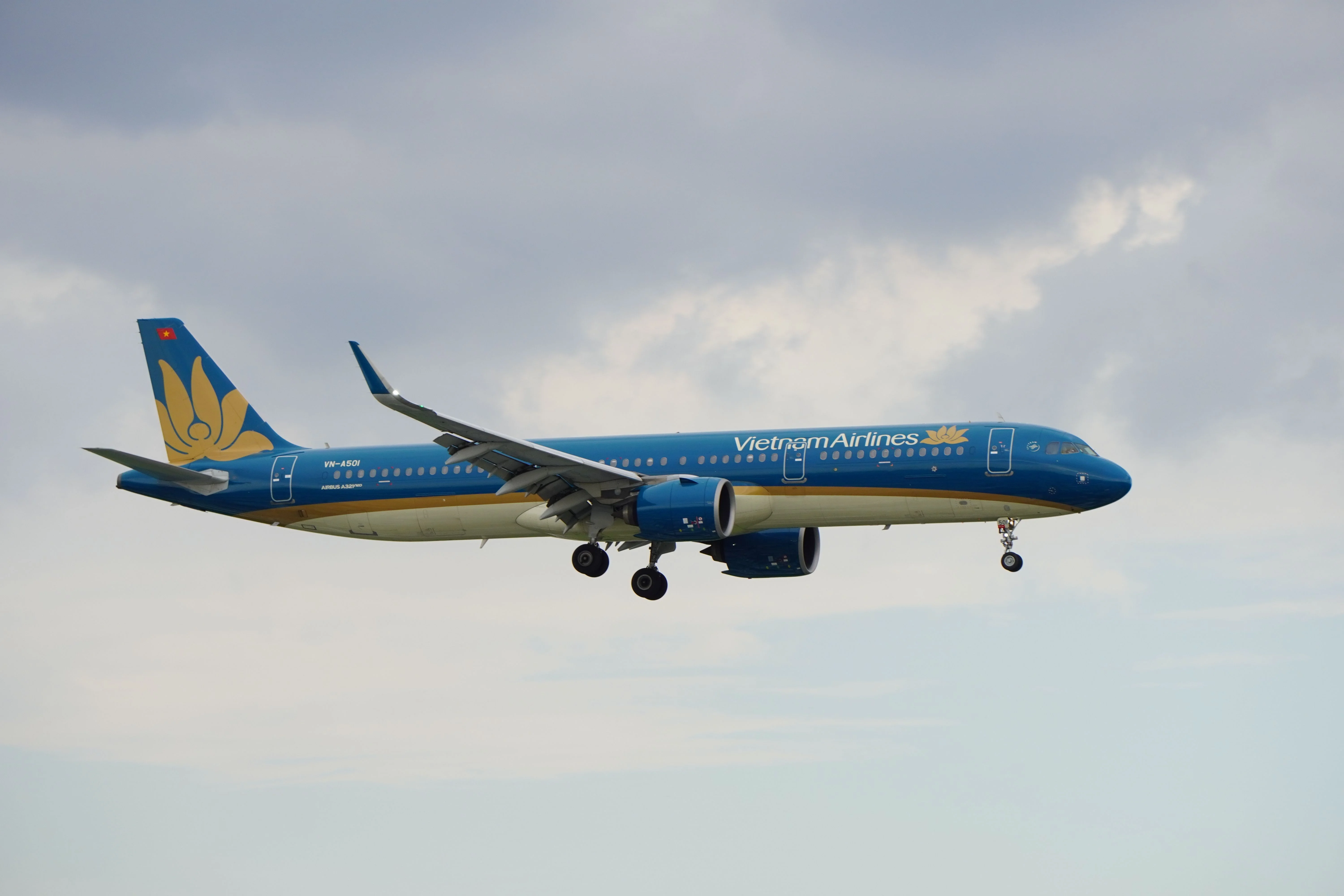
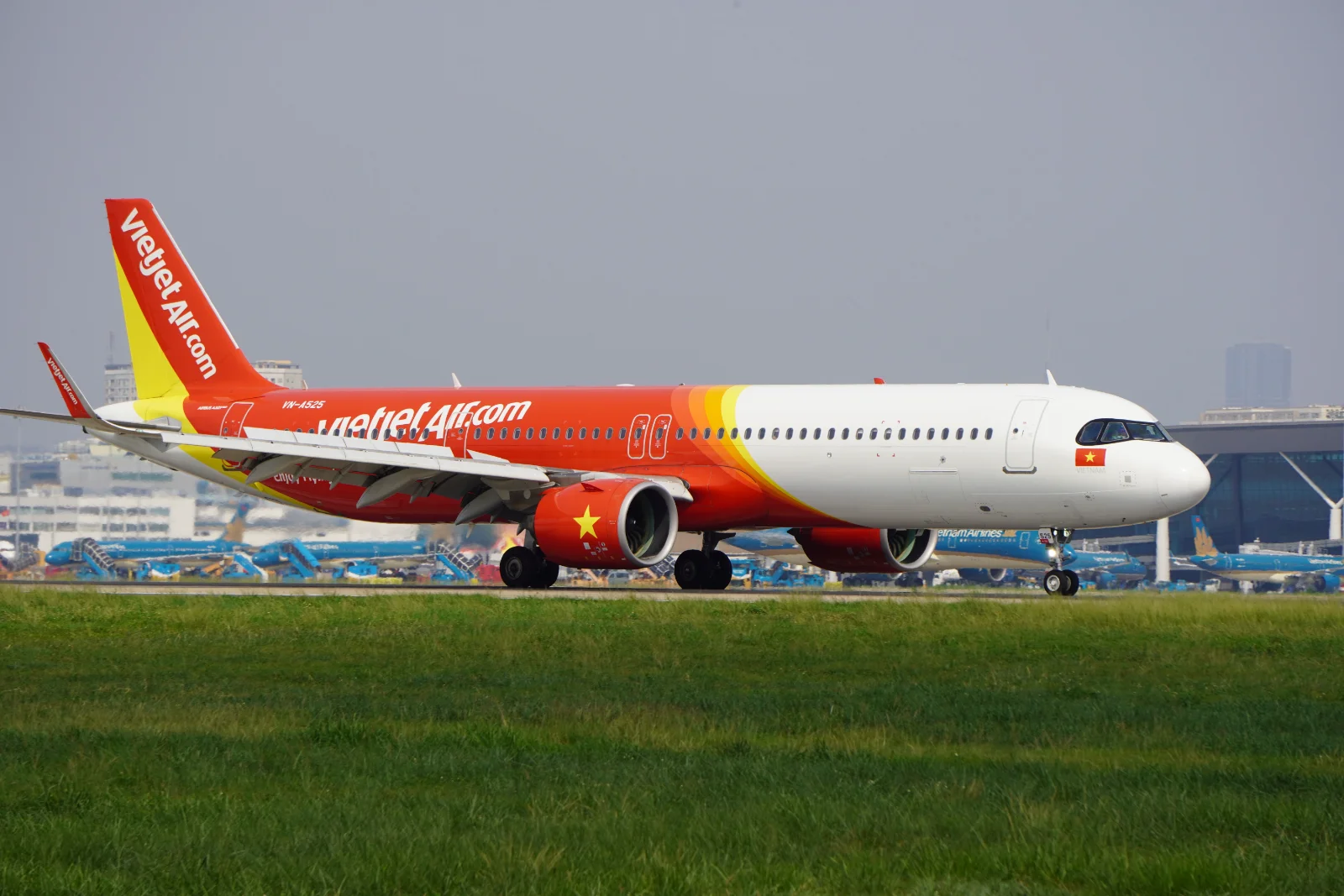
The A321neo, Airbus’ largest and most popular single-aisle aircraft, can accommodate up to 244 passengers and is designed to fly routes of up to 4,000 nautical miles (7,400 km).
Among Indian carriers, around a dozen A321neo aircraft operated by IndiGo have been affected, according to sources, while there is no impact on aircraft in the Air India fleet.
IndiGo has 181 A321neo aircraft in its fleet, while Air India operates 10 A321neo aircraft.
The defect does not affect Airbus’ longer-range A321XLR, according to a source who spoke on condition of anonymity as they were not authorised to discuss the matter publicly, Reuters reported.
The latest issue is the second industrial problem to affect the fuselage of the industry’s best-selling model in nine months, following Airbus’ disclosure last December of defects in fuselage panels.
Airbus also described that issue as a quality problem with no safety implications, but addressing it led to several months of delivery delays.
The planemaker said it had discovered a “deviation” in the surface protection, or coating, applied to skeletal components known as stringers, which run lengthways along the fuselage. The issue was identified while the parts were already undergoing rework on the production line.
Airbus has identified and contained the source of the issue, and a remedy is available, the company said.
The latest issue comes as Airbus seeks to increase narrow-body aircraft production to 75 aircraft a month from around 60 currently.
According to the source, Airbus first identified the problem over the summer, with the initial results of a closer analysis becoming available recently.
The affected part of the aircraft is manufactured by Airbus’ in-house aerostructures unit, Stelia, which was not immediately available for comment outside business hours.
Customers are continuing to accept aircraft deliveries without requiring additional work to be carried out beforehand, while Airbus has told customers that there is no immediate need for repairs, the source said.
European regulators could, however, issue a directive requiring the defects to be repaired within a specified timeframe.
US carrier Delta Air Lines, which operates A321neo aircraft, said it remained in regular contact with manufacturers and would “always take action to meet or exceed operator recommendations and regulator directives.”


Join the conversation
No comments yet
Be the first to share your thoughts!
Sign In to Comment