
India’s Directorate General of Civil Aviation (DGCA) has prohibited the use and carriage of the MOBIKINS MK-PB-04 power bank on all passenger and cargo flights to, from and within India.
October 14, 2026 • Parijat Sourabh

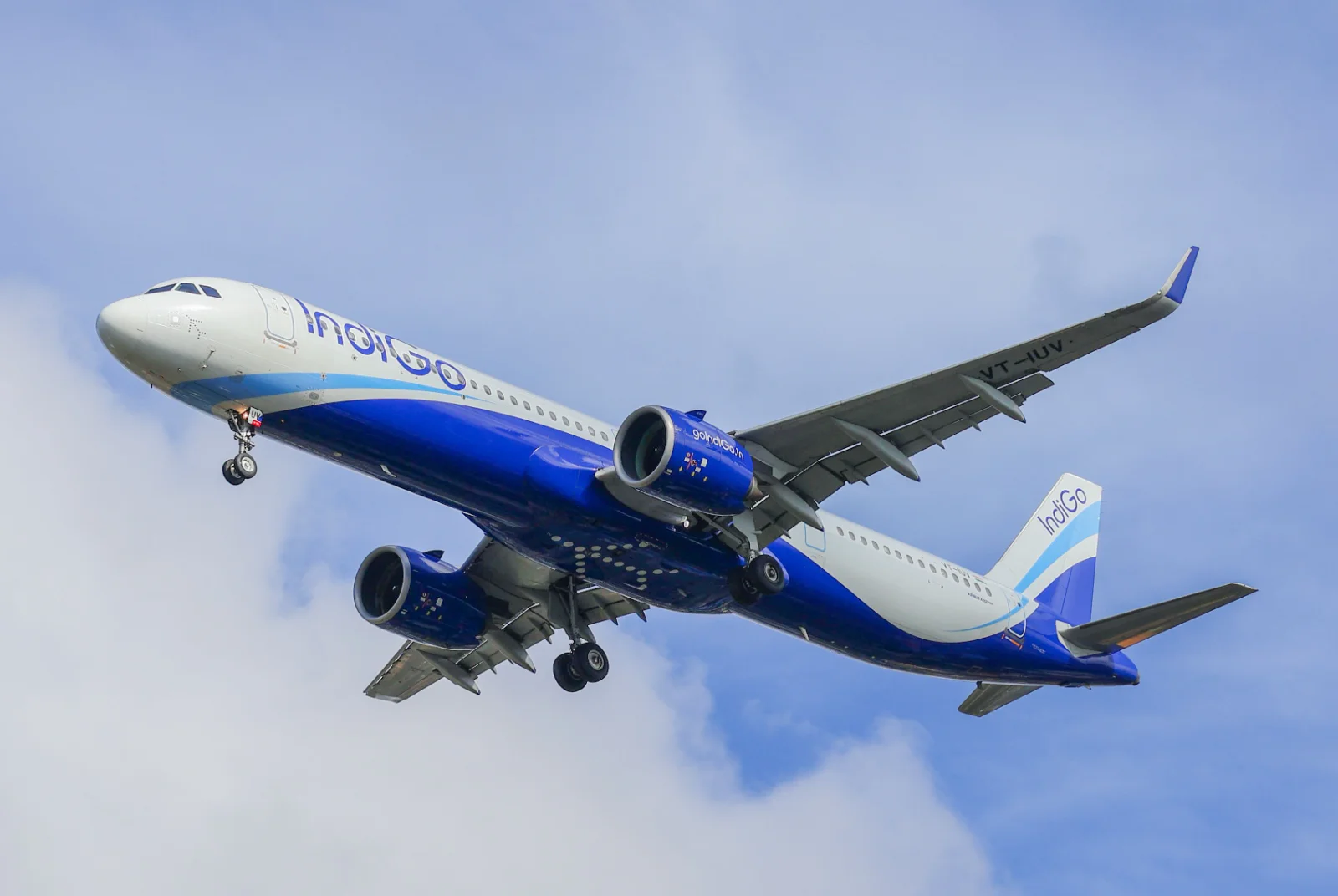
The prohibition follows a fire incident on 11 October 2026, when an IndiGo flight from Delhi to Chennai was diverted to Hyderabad after a passenger’s power bank caught fire and emitted smoke in an overhead bin. The flight, operating as 6E 6115, was operated by a newly delivered Airbus A321neo registered VT-NOE. The cabin crew contained the situation, and all passengers and crew members landed safely without injuries.
In its circular, the DGCA said: “In view of the recent fire incident involving the MOBIKINS MK-PB-04 power bank, and considering the potential safety risks associated with it, the travelling public and airlines are hereby advised to ensure that the MOBIKINS MK-PB-04 power bank is not carried or transported on board the aircraft, whether as passenger baggage (including checked-in and cabin baggage) or as cargo, on any flight to, from, or within India.”
The circular further advises airlines to take appropriate measures to identify and prevent the carriage of the specified power bank and communicate the safety advisory to passengers through suitable channels.
It is important to note that the DGCA’s restriction covers only the MOBIKINS MK-PB-04 power bank and does not apply to all power banks.
Indian airlines are also expected to inform passengers about the restriction. At the time of writing, Akasa Air had issued an advisory on its Instagram account regarding the prohibition on carrying the MOBIKINS MK-PB-04 power bank.
The airline asked passengers to ensure they were not carrying the specified model in their cabin baggage, checked-in baggage or on their person. It added that any MOBIKINS MK-PB-04 power bank identified during security screening would not be permitted for carriage.
Most power banks use high-energy-density lithium-ion batteries, which can pose a fire risk if damaged, defective, overheated or improperly handled. One potential failure mechanism is thermal runaway, an uncontrolled chain reaction in which a battery cell's temperature and pressure rise rapidly.
This can be triggered by factors such as internal short circuits, manufacturing defects, physical damage or overheating. As the battery fails, it can release hot, flammable gases and toxic fumes, potentially causing a fire and spreading the reaction to neighbouring cells. Such incidents pose a particular challenge aboard aircraft, where a battery fire can expose passengers and crew to smoke and flames in a confined cabin.
Join the conversation
No comments yet
Be the first to share your thoughts!
Sign In to Comment