
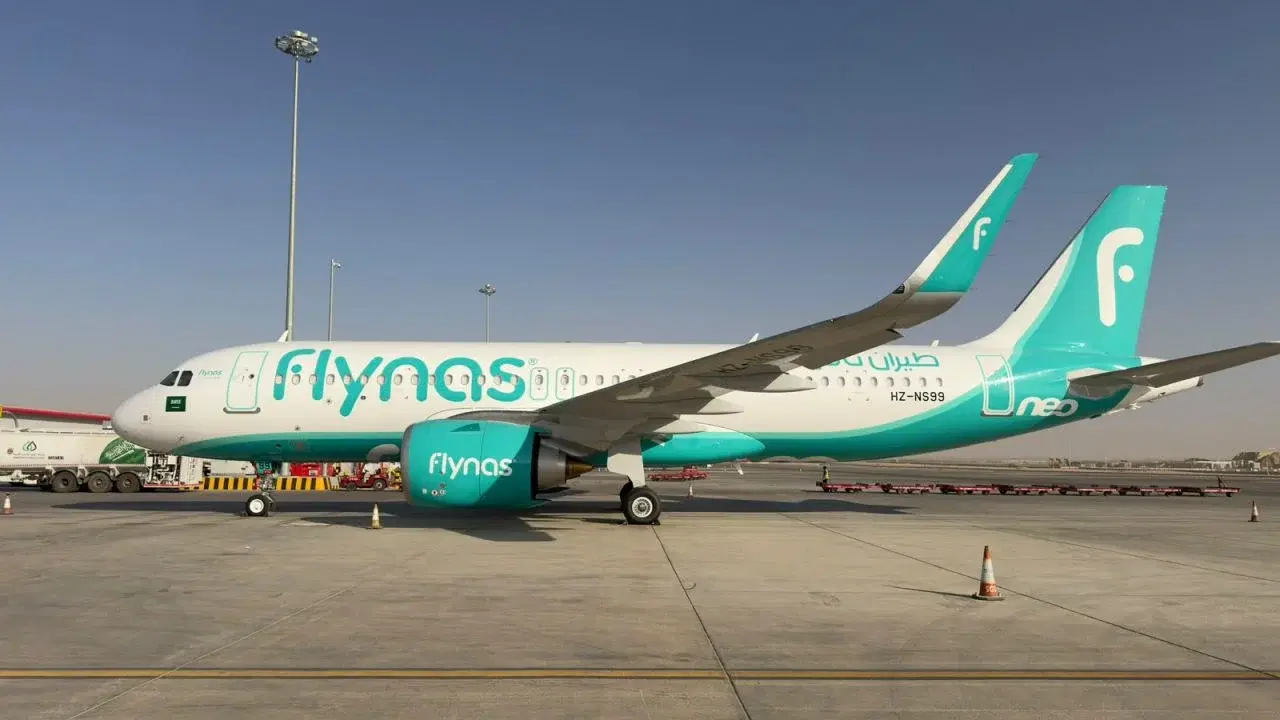
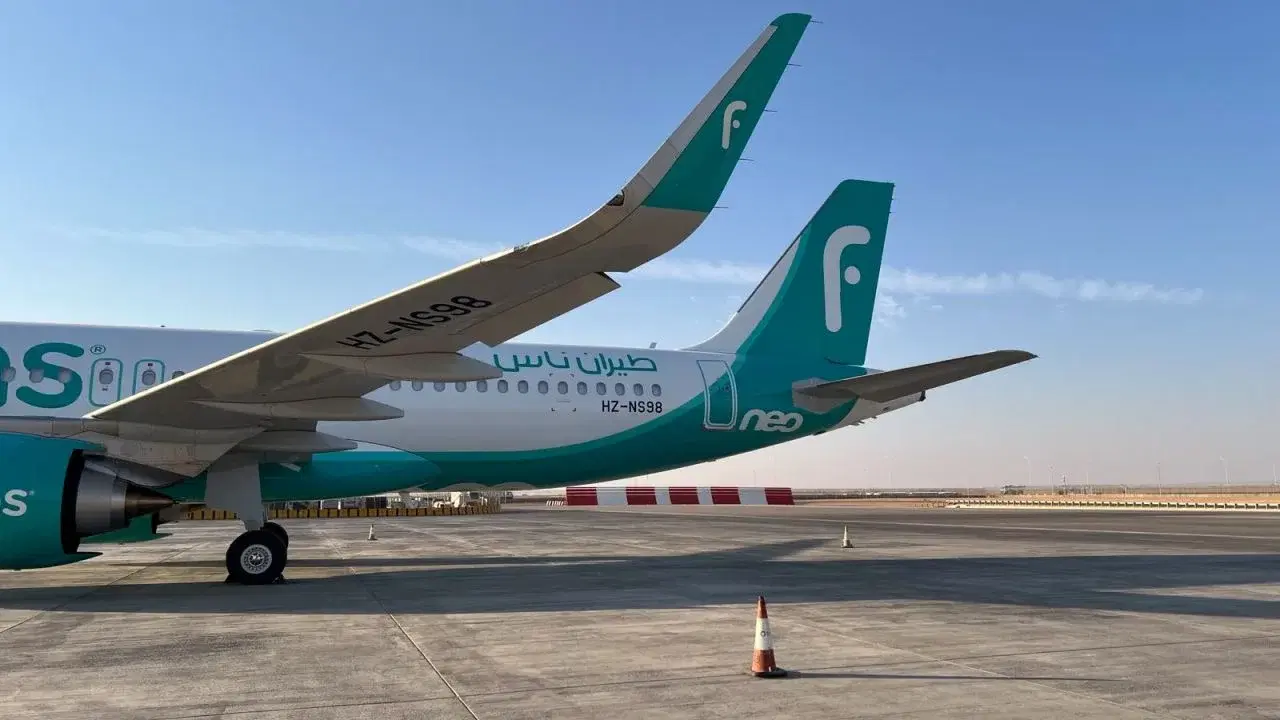
Saudi low-cost carrier flynas has taken delivery of two new Airbus A320neo aircraft as part of its fleet expansion plans. The additions are expected to support the airline's growth, enhance the passenger experience and improve fuel efficiency.
Parijat Sourabh2 min read
With the delivery of the new aircraft, flynas has completed the retirement of the last four A320ceo aircraft from its fleet. Its fleet now comprises 64 next-generation A320neo aircraft and two widebody A330s, bringing the total to 66 aircraft. The move reflects the airline's focus on operating newer, more fuel-efficient aircraft to support its growth and sustainability goals.
The aircraft are part of flynas' new-generation cabin introduced in early 2026 as part of its fleet modernisation programme. The A320neo offers improved fuel efficiency, lower emissions and reduced noise levels compared with previous-generation aircraft, while providing passengers with a spacious cabin and upgraded features, including the latest generation of in-flight entertainment systems.
The fleet transition is expected to help flynas reduce the environmental impact of its operations and lower carbon dioxide emissions, despite an increase in flight activity. These efforts are supported by the improved fuel efficiency of its newer aircraft, higher seat density, and optimised operating practices and flight routes. Global research firm Cirium has identified these measures as key factors in improving fuel efficiency and reducing emissions across the aviation sector.
In July 2026, during the Farnborough International Airshow, flynas confirmed an order for 25 Airbus aircraft, comprising five A330neo widebodies and 20 A321neo narrowbodies. The order brought the airline's total confirmed Airbus orders to 235 aircraft, with a further 45 purchase options, taking the potential total to 280 aircraft. The additions are part of flynas' plans to expand its fleet and destination network in the coming years.
flynas continues to pursue its growth strategy, ‘We Connect the World to the Kingdom’, in line with the objectives of the Saudi Aviation Strategy. These include positioning Saudi Arabia as a global aviation hub, connecting the Kingdom to 250 international destinations, handling 330 million passengers and welcoming 150 million tourists annually by 2030. The airline's plans also support the objectives of the Pilgrim Experience Program, which aims to facilitate access to the Two Holy Mosques.
Join the conversation
No comments yet
Be the first to share your thoughts!
Sign In to Comment