


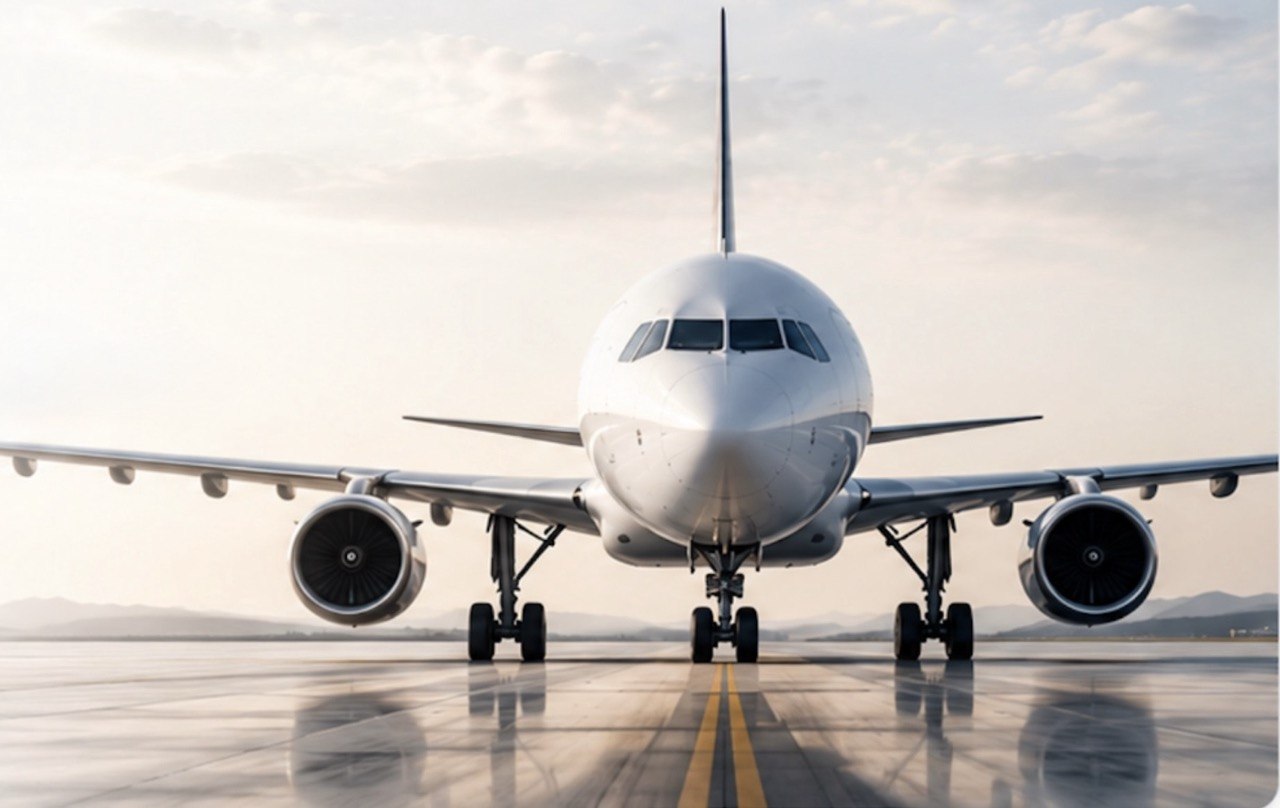
Riyadh Air has taken delivery of its first two Boeing 787 Dreamliners, marking a significant step towards the airline’s commercial launch and reinforcing Saudi Arabia’s broader ambitions to expand its aviation sector.

Loading Intelligence
Riyadh Air has taken delivery of its first two Boeing 787 Dreamliners, marking a significant step towards the airline’s commercial launch and reinforcing Saudi Arabia’s broader ambitions to expand its aviation sector.
The aircraft have arrived in Riyadh, providing the new national carrier with its first custom-built aircraft as it prepares to commence operations. The milestone comes as the Kingdom pursues an aviation strategy aimed at attracting 150 million visitors and facilitating 330 million passenger journeys annually by 2030.
According to reporting by Aviation Business Middle East, the arrival of the aircraft represents a major development for both Riyadh Air and Saudi Arabia’s efforts to establish itself as a leading global aviation hub.
The delivery of the two Dreamliners gives Riyadh Air its first operational aircraft and advances preparations for the airline’s entry into the commercial aviation market.
Tony Douglas, Chief Executive Officer of Riyadh Air, described the arrival of the aircraft as a landmark moment for both the airline and the Kingdom’s aviation sector.
Speaking after the aircraft arrived in Riyadh, Douglas said the delivery of the carrier’s first custom-built Boeing 787s marked a historic moment and reflected the progress made towards building a new international airline based in the Saudi capital.
The airline has positioned itself as a key component of Saudi Arabia’s wider connectivity strategy, with Riyadh expected to serve as a gateway linking travellers across multiple international markets.
The Boeing 787 Dreamliner will play a central role in Riyadh Air’s long-term fleet strategy.
According to Aviation Business Middle East, the airline plans to acquire up to 72 Boeing 787 aircraft, creating one of the largest Dreamliner fleets in the region.
The aircraft are expected to support operations across a mix of regional and long-haul routes spanning:
• Europe
• Asia
• Africa
• North America
The widebody jets have been selected to provide the airline with the range and operational flexibility required to connect Saudi Arabia with key international markets.
The fleet expansion strategy aligns with Riyadh Air’s objective of serving more than 100 destinations by 2030.
As it prepares for launch, Riyadh Air is building a network designed to support both tourism and business travel.
According to Aviation Business Middle East, initial services are planned to include major destinations such as:
• London
• Cairo
• Jeddah
The airline has repeatedly stated its intention to position Riyadh as a major connecting hub, supporting Saudi Arabia’s wider economic diversification plans and increasing international access to the Kingdom.
The arrival of the first aircraft provides the physical foundation for those expansion plans while allowing the carrier to progress operational readiness activities ahead of launch.
Boeing has described the delivery as an important milestone in the development of Saudi Arabia’s newest airline.
Stephanie Pope, President and Chief Executive Officer of Boeing Commercial Airplanes, said Riyadh Air is helping bring a vision of modern global travel to life while opening new opportunities for the Kingdom.
She noted that the 787 Dreamliner offers efficiency and route flexibility, attributes that are expected to support the airline’s expansion across a broad international network.
The aircraft type has become one of Boeing’s most widely used long-haul platforms and is operated by airlines worldwide on both medium-haul and intercontinental routes.
The arrival of the first Dreamliners comes against the backdrop of Saudi Arabia’s wider efforts to transform its aviation sector as part of national economic development plans.
Riyadh Air is expected to play a central role in supporting the Kingdom’s tourism, trade and connectivity objectives over the coming decade.
Key targets associated with Saudi Arabia’s aviation strategy include:
• 150 million visitors annually by 2030
• 330 million passenger journeys annually by 2030
• Expansion of international connectivity through new routes and airline capacity
• Development of Riyadh as a major global aviation hub
The delivery of the first two aircraft represents one of the earliest tangible milestones in that broader strategy.

Join the conversation
No comments yet
Be the first to share your thoughts!
Sign In to Comment