
September 21, 2026 • Parijat Sourabh

Stephen Beckett, Chief Executive Officer of Airlines for Australia & New Zealand, said the proposal presented an opportunity that should be explored, adding that it appeared to have merit.
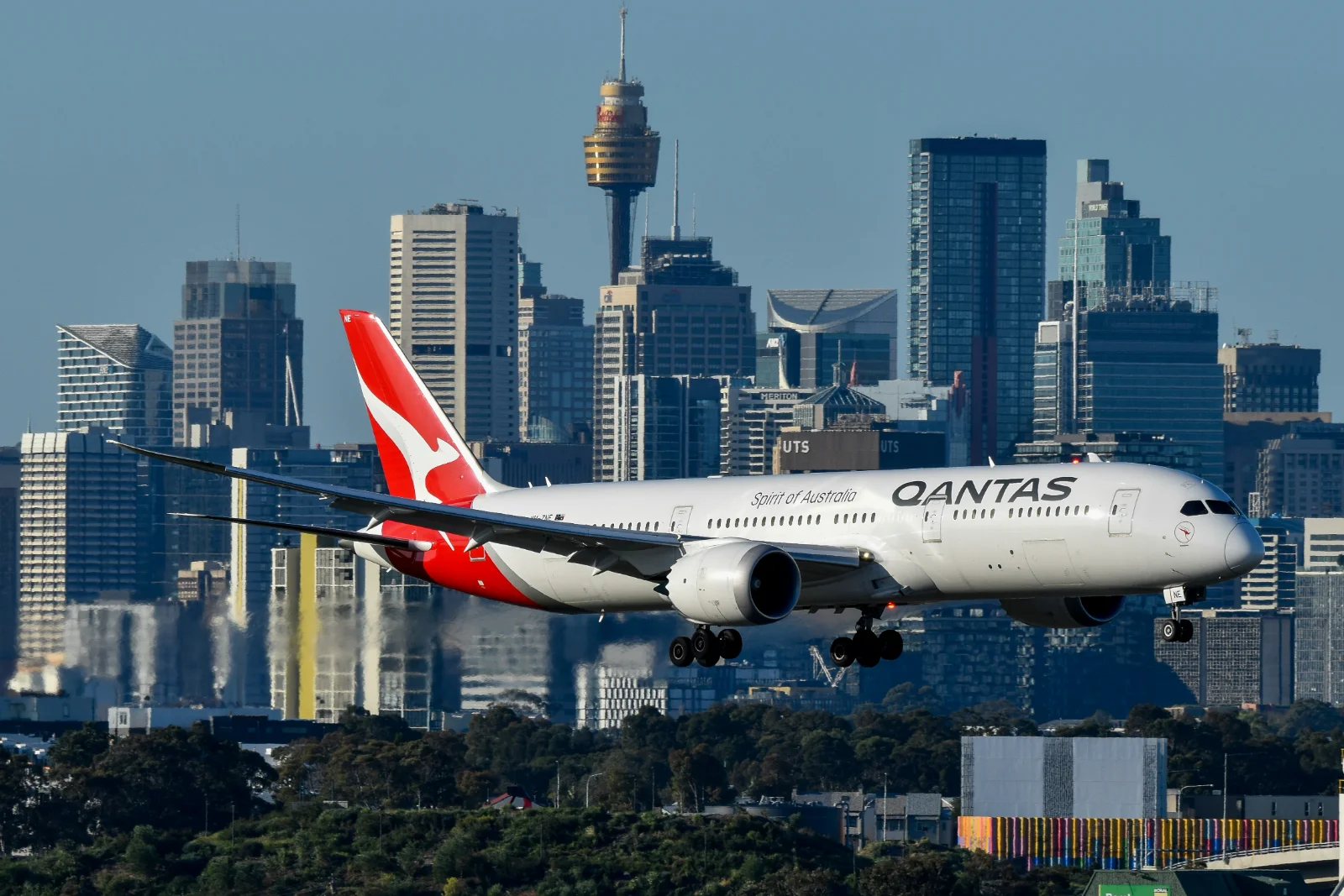
At least six safety incidents, close calls and mistakes on the tarmac at Sydney Airport since late July have highlighted the shortage of air traffic controllers and its impact on air travel. Qantas CEO Vanessa Hudson called for the issue to be addressed last month after flight delays affected 60,000 passengers in July alone, according to Bloomberg.
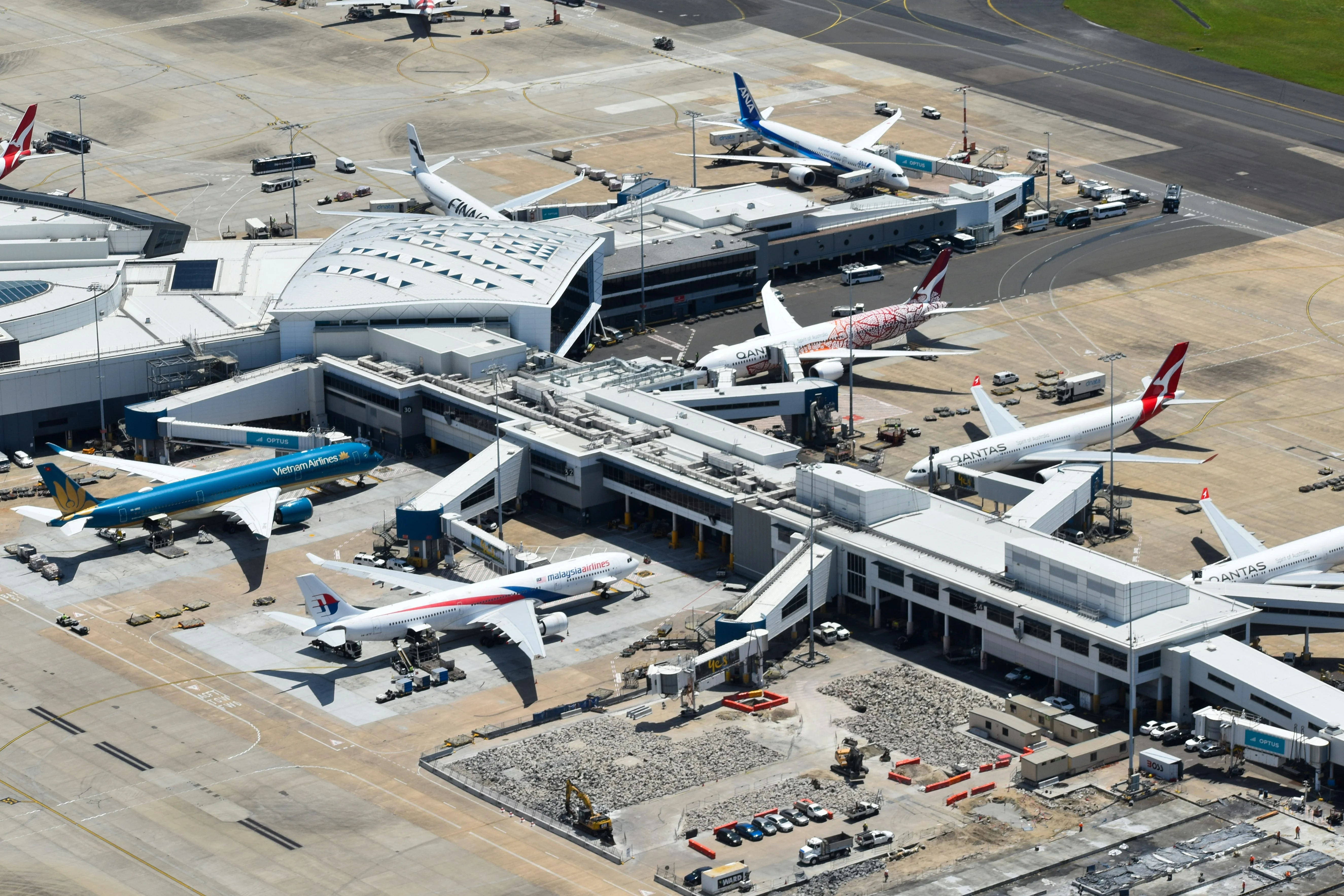
The proposal to close the tower was discussed at a meeting of a task force formed last month to address disruptions at Sydney Airport.
Sydney Airport’s existing 11pm–6am curfew means any overnight tower closure would have little impact on commercial flights. However, operating Australia’s busiest aviation hub without a control tower, even temporarily, highlights the severity of the air traffic controller shortage. Flights exempt from the curfew, including those handling emergencies or transporting medical patients, would have to operate without an active control tower during those hours.
Airservices Australia manages the country’s airspace and employs air traffic controllers at airports. Beckett said the controller roster at Sydney Airport had been too fragile for too long, significantly affecting passengers.
The unexpected absence of a single controller at Sydney Airport on September 11 was enough to cause significant flight delays that morning. Closing the tower overnight would free up two controllers who could potentially be redeployed during the day to help ease staffing shortages.
Airservices Australia was “considering all options to ensure the efficient use of our qualified workforce,” it said in an email. “Any changes to air traffic services at Sydney Airport would be subject to “thorough safety assessment processes,” including approval by the regulator.


Join the conversation
No comments yet
Be the first to share your thoughts!
Sign In to Comment