
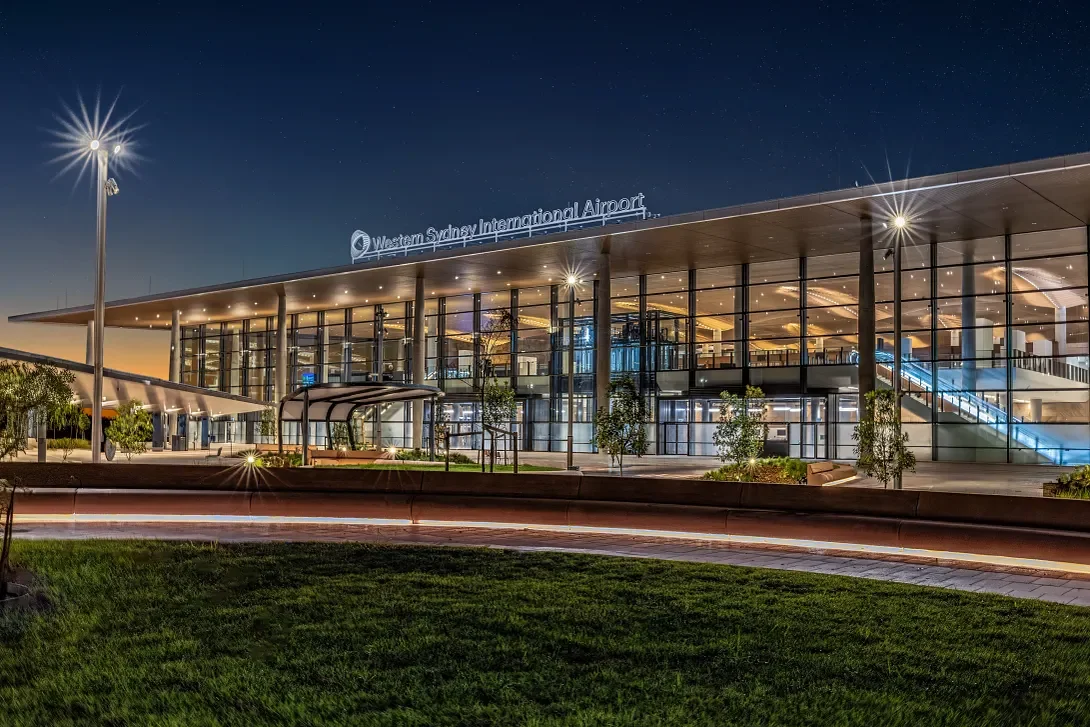
Sydney has finally opened its second airport after more than 50 years of political delays, environmental protests, and funding shortfalls, as reported by the South China Morning Post.
October 19, 2026 • Parijat Sourabh

Western Sydney International Airport, located 50km (31 miles) inland from the city centre, welcomed its first passenger flight on Sunday, 18 October 2026, with Jetstar operating a service to the Gold Coast. However, the airport has attracted only a handful of airlines and is scheduled to handle six or fewer flights a day over the next 12 months, according to aviation data company Cirium.
According to Flightradar24 data for Monday, 19 October, Western Sydney International lists two Qantas arrivals, from Sydney and Melbourne, and two departures scheduled for the evening, to Brisbane and Melbourne.
The opening of Western Sydney International comes at a challenging time for the global travel industry, which is facing its toughest period since the pandemic. Airlines are warning of rising fuel costs and airfares as the Iran war continues, while several carriers, including Qantas, Australia’s largest airline, are reducing domestic capacity rather than adding more flights, the report said.
Named after pioneering Australian aviator Nancy-Bird Walton, the new airport expects to handle 8.4 million passengers annually by the end of the decade, rising to nearly 20 million by 2045, according to its master plan. Both figures are significantly lower than the passenger numbers handled by Sydney’s main airport.
Western Sydney International is being developed on former farmland at Badgerys Creek. The Australian government selected the site in 2014, ending a debate over the need for and location of a second airport that dates back to 1946. Construction began in 2018, and the airport commenced cargo operations in July.
The population of the surrounding region will play a key role in the airport’s commercial prospects. By 2030, half of Sydney’s 6.1 million residents are expected to live in the city’s west, according to the airport’s master plan. Around 40% of Greater Western Sydney’s population was born overseas, potentially driving demand for flights to destinations such as India, China and Vietnam.
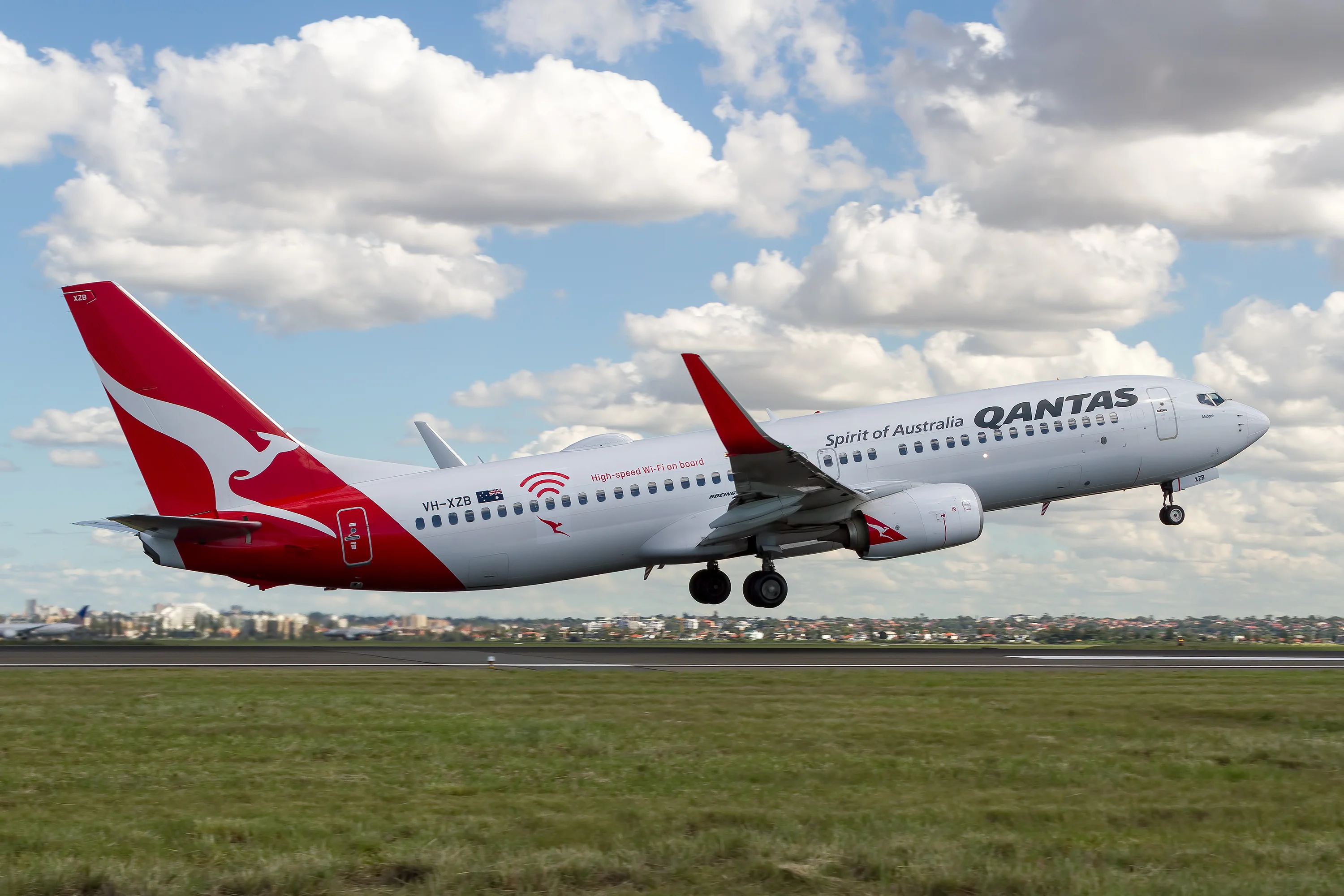
However, Cirium data through September 2027 shows that Qantas plans to operate just over one domestic flight a day on average from the airport from March 2027. Virgin Australia, the country’s second-largest airline, has no flights scheduled. Jetstar, Qantas’ low-cost leisure carrier, is set to be the airport’s main customer.
Other airlines set to operate from the new airport include Air New Zealand, VietJet, Fiji Airways and Singapore Airlines.
In an interview, Western Sydney International Chief Executive Officer Simon Hickey said more airlines are expected to use the airport over time, with discussions underway with several other carriers. ‘Right now, I’m really happy with where we’re sitting,’ he said.
While Western Sydney International is beginning operations with a limited number of flights, its long-term ambitions are substantial. Unlike Sydney’s Kingsford Smith Airport, it has no overnight curfew, giving international airlines greater flexibility in scheduling flights and connections through their hubs. The airport’s master plan projects annual passenger traffic of 82 million by 2063, with the facility eventually expected to become Sydney’s primary air travel hub.
Join the conversation
No comments yet
Be the first to share your thoughts!
Sign In to Comment