

Tata Group-owned Air India has received its second tailor-made Boeing 787-9 aircraft since returning to private ownership in January 2022, as the loss-making carrier continues an ambitious fleet renewal and transformation programme.
May 18, 2026
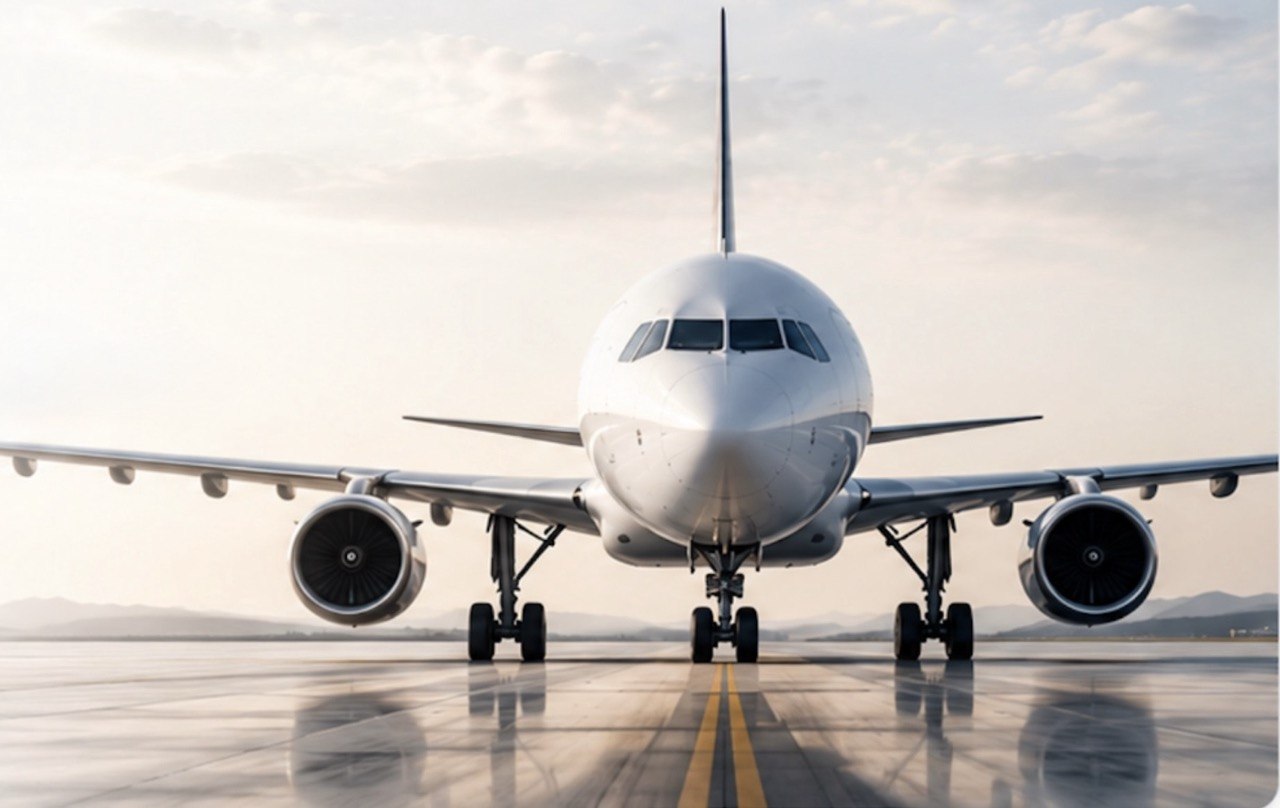
The aircraft, bearing registration mark VT-AWB, landed in Delhi on Friday after operating a non-stop delivery flight from Charleston in the United States, according to Air India.
The delivery comes as the airline accelerates efforts to modernise its fleet, improve passenger experience and strengthen its international network under the Tata Group’s restructuring plan.
Fleet expansion gathers pace
The newly delivered Boeing 787-9 is the second made-for-Air India aircraft to join the carrier’s fleet after privatisation. The airline has been steadily inducting new aircraft while also refurbishing older widebody and narrowbody planes.
Air India has been pursuing one of the aviation sector’s largest turnaround efforts since the Tata Group regained control of the airline from the Indian government more than two years ago.
The carrier has repeatedly said fleet modernisation remains central to its revival strategy, particularly as it seeks to compete more aggressively on long-haul international routes.
Key details of the latest delivery include:
- The aircraft is a Boeing 787-9 Dreamliner
- It carries registration mark VT-AWB
- The plane arrived in Delhi from Charleston, United States
- It is the second tailor-made Boeing 787-9 received by Air India after privatisation
- The delivery forms part of the airline’s broader fleet expansion strategy
Transformation plan remains in focus
Air India has been undergoing an extensive operational overhaul spanning fleet upgrades, network rationalisation, cabin refurbishment, technology integration and service improvements.
The airline had earlier placed a massive aircraft order with both Boeing and Airbus as part of its long-term growth plans. Industry analysts view the induction of new-generation aircraft such as the 787-9 Dreamliner as critical to reducing fuel costs and improving operational efficiency on international routes.
The Boeing 787-9 is widely used for medium and long-haul operations because of its lower fuel consumption and extended range compared with older-generation widebody aircraft.
Air India has also been consolidating operations across the Tata Group’s aviation businesses following the merger of Vistara with Air India and the integration of AirAsia India into Air India Express.
Pressure to deliver operational improvements
Despite progress on fleet induction and integration, Air India continues to face pressure to improve reliability, customer service and profitability.
The airline has acknowledged operational constraints linked to legacy aircraft, supply chain disruptions and delays in retrofitting older planes. At the same time, it is attempting to capture rising international travel demand from India, one of the world’s fastest-growing aviation markets.
The latest Dreamliner induction signals continued momentum in the carrier’s fleet expansion plans as Air India works to reposition itself as a stronger global full-service airline under Tata ownership.


Join the conversation
No comments yet
Be the first to share your thoughts!
Sign In to Comment