

For most passengers, boarding an aircraft is a routine process. People queue, scan boarding passes, find seats and wait for departure. Few notice the engineering decisions shaping that experience, or how one seemingly minor design difference can influence airline economics across thousands of flights every year.
June 4, 2026
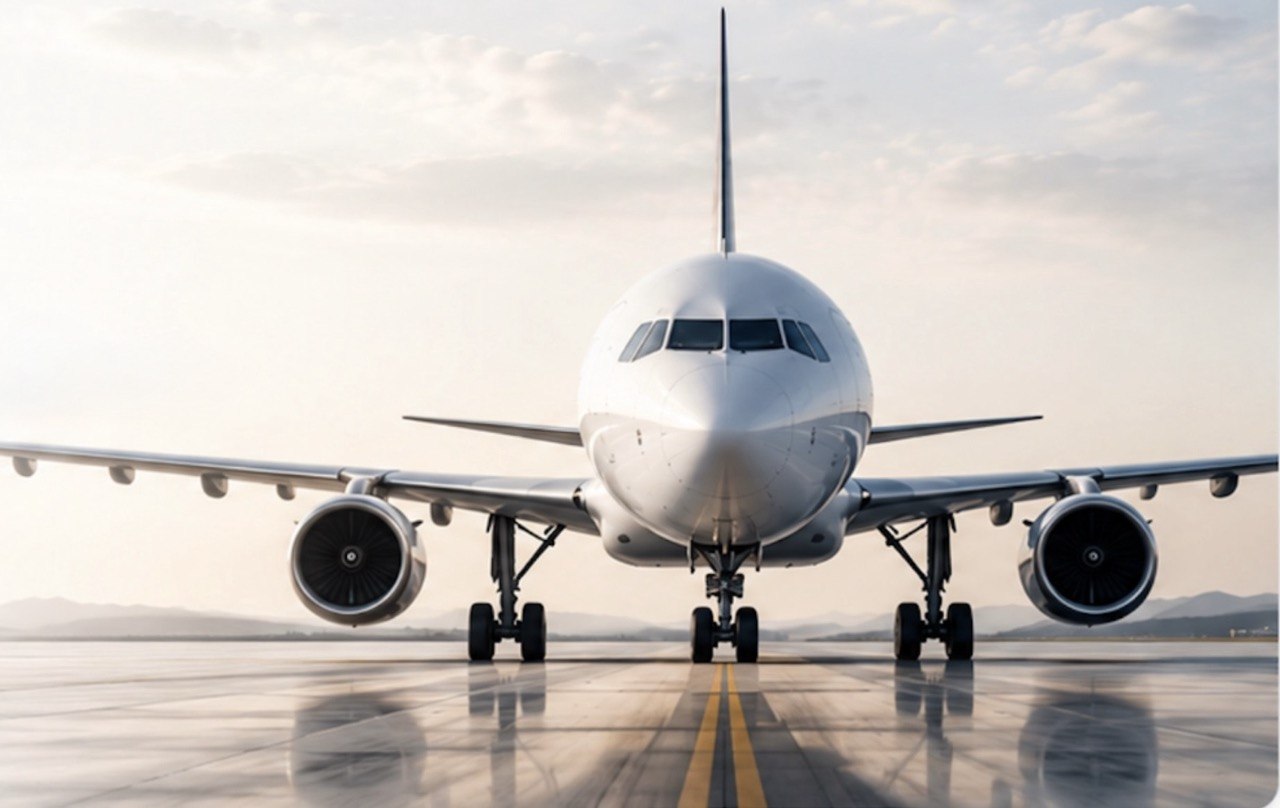
Yet one of the clearest examples of changing airline priorities can be found in two aircraft that dominated medium and long-distance narrow-body travel for decades: the Boeing 757-200 and the Airbus A321.
At first glance, the aircraft appear remarkably similar. Both are single-aisle jets designed to carry roughly the same number of passengers across domestic and international routes. Both became favourites among airlines operating busy services between major cities. And both helped redefine what narrow-body aircraft could achieve.
But one feature sharply separates them.
The Boeing 757 includes a set of boarding doors positioned near the middle of the aircraft cabin. The Airbus A321 does not.
To passengers, that difference may seem insignificant. To airlines and aircraft engineers, it reflects a much bigger shift in aviation strategy.
A tale of two aircraft philosophies
The Boeing 757-200, introduced in the early 1980s, was designed during a period when airlines focused heavily on operational flexibility and fast airport turnarounds.
The aircraft became known for its strong performance, long range and ability to operate efficiently from challenging airports. Airlines also valued its boarding layout.
Because the 757 included doors near both the front and middle of the aircraft, passengers could board using two entry points simultaneously. That reduced congestion inside the cabin and shortened turnaround times between flights.
For airlines operating high-frequency routes, every minute mattered.
Faster boarding meant:
- Shorter ground delays
- More daily aircraft utilisation
- Improved schedule reliability
- Greater flexibility during peak travel periods
The system worked especially well at airports using outdoor stairs instead of enclosed jet bridges. Passengers seated at the front boarded through the front door, while passengers seated farther back entered through the mid-cabin doors.
The result was a smoother and often faster boarding process.
When the Airbus A321 entered service in the 1990s, however, Airbus pursued a different design philosophy.
The European manufacturer focused less on boarding convenience and more on long-term efficiency.
Why the Airbus A321 looks different
One of the most important structural differences between the two aircraft lies in the tail section.
The Airbus A321 has a significantly smaller tail structure relative to its fuselage size compared with the Boeing 757. That smaller tail reduces overall aircraft weight and improves aerodynamic efficiency.
In simple terms, the aircraft burns less fuel.
That matters enormously in commercial aviation, where fuel is one of the largest operating expenses for airlines worldwide.
The design also allowed Airbus to maximise usable cabin and cargo space relative to the aircraft’s overall length.
According to aircraft specifications, the A321 is approximately nine feet shorter than the Boeing 757-200 overall, yet its cabin length is only around five feet shorter.
That efficiency gives airlines more room for passengers and cargo without substantially increasing aircraft size.
But the smaller tail structure created a trade-off.
The A321’s design does not structurally support the kind of mid-cabin boarding doors found on the Boeing 757 without affecting aerodynamic performance and aircraft balance.
As a result, Airbus prioritised efficiency over boarding flexibility.
Airlines changed what they valued most
The difference between the two aircraft reflects a broader transformation inside the airline industry over the last three decades.
During the 1980s and 1990s, airlines often prioritised operational flexibility and aircraft performance in varied conditions.
Today, fuel economics dominate fleet planning decisions.
Modern airlines operate in an environment shaped by:
- Rising fuel costs
- Pressure to reduce carbon emissions
- Thin profit margins
- Increasing competition
- Environmental regulations
- High aircraft financing costs
In that environment, saving fuel on every flight can be more valuable than shaving a few minutes off boarding times.
The A321 became attractive because it delivers lower operating costs across many routes while carrying substantial passenger and cargo loads.
For airlines, the economics became difficult to ignore.
The rise of the A321XLR changed the market further
The balance shifted even more dramatically after Airbus introduced longer-range versions of the aircraft.
The A321LR and later the A321XLR extended the aircraft’s flying range far beyond what earlier narrow-body aircraft could achieve economically.
The A321XLR received certification in 2023 and can operate routes previously dominated by larger aircraft or older jets like the Boeing 757.
This opened opportunities for airlines to launch long-distance flights between smaller cities without needing wide-body aircraft.
Examples include:
- Transatlantic routes between secondary European and North American cities
- Long regional services in Asia-Pacific
- Thin international routes with lower passenger volumes
Because the aircraft burns less fuel than older-generation jets, airlines can profitably operate routes that previously made little financial sense.
That capability transformed the A321 family into the effective successor to the Boeing 757 for many carriers worldwide.
Industry data shows the A321 programme has accumulated more than 10,000 orders globally across all variants, making it one of the most commercially successful aircraft families ever developed.
Why passengers rarely notice the difference
Despite the engineering significance, most travellers never recognise the distinction between the aircraft.
Passengers are far more likely to notice:
- Seat comfort
- Legroom
- Cabin lighting
- Boarding delays
- Overhead bin space
- Ticket prices
The location of boarding doors rarely attracts attention unless delays occur.
In practice, airlines adapted quickly to the A321’s different layout.
Airport operators and carriers developed alternative procedures to improve boarding efficiency, including:
- Group-based boarding systems
- Faster digital check-in processes
- Improved gate management
- Better passenger sequencing
- Advanced turnaround planning software
These operational changes helped offset some of the boarding limitations created by the aircraft’s design.
For airlines, the fuel savings still outweighed the inconvenience.
Cargo became more important than many passengers realised
Another overlooked advantage of the A321 involves cargo capacity.
While passengers typically focus on seating, airlines increasingly depend on cargo revenue to improve profitability.
The A321’s efficient use of cabin and underfloor space allows airlines to carry more baggage and freight relative to the aircraft’s size.
That became especially valuable after the pandemic, when cargo revenues surged across global aviation markets.
Modern airlines increasingly evaluate aircraft not only on passenger economics but also on freight potential.
The A321’s design supports that strategy.
The Boeing 757, although respected for its performance and operational flexibility, was developed in a different economic era before airlines faced today’s intense pressure around emissions and fuel efficiency.
Boeing never truly replaced the 757 directly
One reason the Airbus A321 became so dominant is that Boeing never introduced a direct modern replacement for the 757.
The 757 programme ended in 2004, leaving a gap in Boeing’s portfolio between smaller narrow-body aircraft and larger wide-body jets.
The Boeing 737 MAX family competes against Airbus narrow-body aircraft in many markets, but it does not fully replicate the operational characteristics of the 757 on longer-range missions.
That allowed Airbus to strengthen its position steadily through incremental improvements to the A321 platform.
Over time, the aircraft evolved from a simple stretched narrow-body jet into one of the industry’s most strategically important aircraft programmes.
The bigger lesson behind one missing door
The story of the Boeing 757 and Airbus A321 is ultimately about changing airline priorities.
The Boeing aircraft reflected an era focused on flexibility, airport operations and performance margins.
The Airbus design reflects a market driven by fuel efficiency, environmental pressure, long-range economics and cargo optimisation.
To passengers, the difference may appear trivial.
To airlines, it influences billions of dollars in operating costs over the lifespan of an aircraft fleet.
That is why one missing set of boarding doors matters far more than most travellers realise.
Modern aviation increasingly rewards aircraft that reduce fuel consumption, maximise route flexibility and improve profitability across diverse networks. The success of the Airbus A321 family shows how deeply those priorities now shape airline decisions worldwide.
And in commercial aviation, the smallest design choices often reveal the industry’s biggest economic shifts.


Join the conversation
No comments yet
Be the first to share your thoughts!
Sign In to Comment