
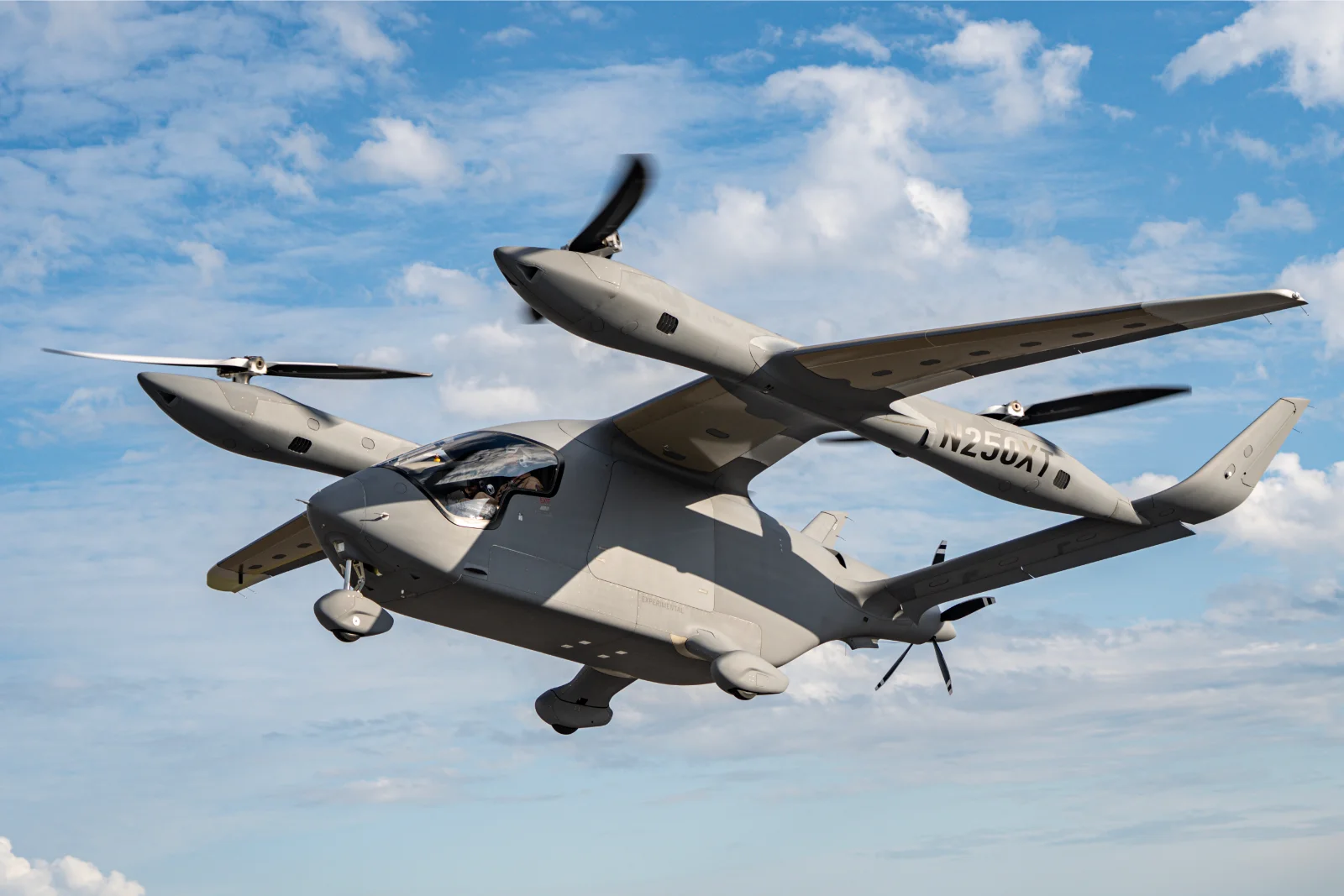
BETA Technologies has received a Special Airworthiness Certificate from the US Federal Aviation Administration (FAA) for its ALIA A250 electric vertical take-off and landing (eVTOL) aircraft to conduct market surveys, marking the first such authorisation for an eVTOL aircraft.
October 23, 2026 • Parijat Sourabh

“This authorisation brings vertical flight closer to the people and places that will put it to work, building on BETA’s track record of industry firsts. We completed the first crewed electric VTOL transition flight in 2024, we were first to receive market survey authorisation for our conventional takeoff and landing aircraft (“CTOL”), and now we're first with our VTOL,” said Kyle Clark, Founder and Chief Executive Officer of BETA. “Operators can now experience the VTOL firsthand and begin planning how it fits into their businesses, from connecting communities to moving people and goods at a lower cost. This is an important step toward commercial adoption, and we're grateful to the FAA for developing the regulatory framework that makes these operations possible.”
BETA’s A250 is an all-electric VTOL aircraft designed to operate from locations with or without runway access. Its design aims to reduce operating costs and improve reliability while offering extended range and payload capacity.
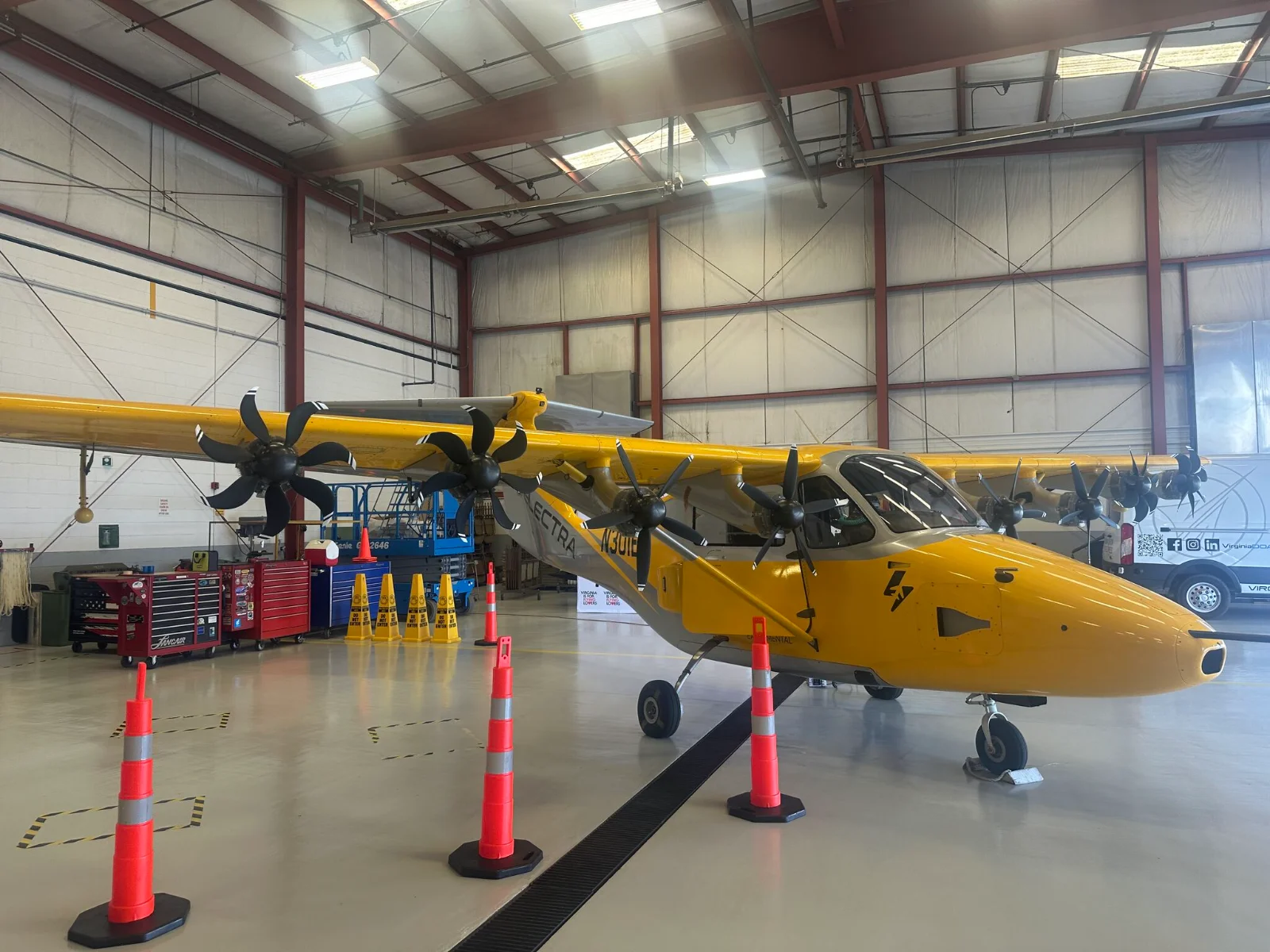
The A250 shares a common architecture and core technologies with BETA’s ALIA conventional take-off and landing (CTOL) aircraft, including propulsion systems, flight control computers, batteries and charging systems. This commonality allows flight experience, manufacturing investments and operational learning from one platform to support the other. BETA said the consistent configuration and simple design across its CTOL and VTOL aircraft align with the FAA’s safety standards.

The aircraft features dual pilot controls and can carry up to five passengers and more than 1,200 pounds of cargo. It is designed for a range of missions, including cargo and logistics, medical transportation, defence and passenger operations.
“Incredible things are happening in aviation thanks to President Trump and his commitment to innovation. The FAA’s special airworthiness certification of BETA’s A250 aircraft is another critical step towards enabling the future of flight in America,” said Sean P. Duffy, U.S. Transportation Secretary. “I want to thank our incredible safety team at the FAA for their hard work and congratulate BETA on reaching this milestone. From bringing the next generation of aircraft online to modernising our nation’s air traffic control system, we are delivering generational wins for the flying public at record speed.”
The authorisation, issued under Part 21 of the FAA’s regulations, allows BETA to conduct flights with operators and key stakeholders, giving them an opportunity to experience the A250’s capabilities firsthand. The flights are intended to build familiarity with the aircraft and support its market adoption.
The approval also expands the geographic scope of BETA’s operations, allowing the company to demonstrate the capabilities of electric vertical flight under a wider range of operating conditions, subject to applicable FAA limitations.
“The FAA is committed to working with American innovators to safely integrate these new aircraft into our national airspace, while maintaining the rigorous safety standards that have made the United States a global leader in aviation,” said Bryan Bedford, FAA Administrator.
BETA’s A250 completed its first flight under the new authorisation on 20 October 2026. The aircraft took off vertically from Plattsburgh International Airport (PBG) in New York, transitioned to wing-borne flight and landed vertically at Patrick Leahy Burlington International Airport (BTV) in Vermont. The flight covered 34 nautical miles in 20 minutes.
As it works towards full type certification and commercial operations, BETA continues to expand its flight operations, strengthen industry partnerships and validate its technology across a growing range of applications.

Join the conversation
No comments yet
Be the first to share your thoughts!
Sign In to Comment