
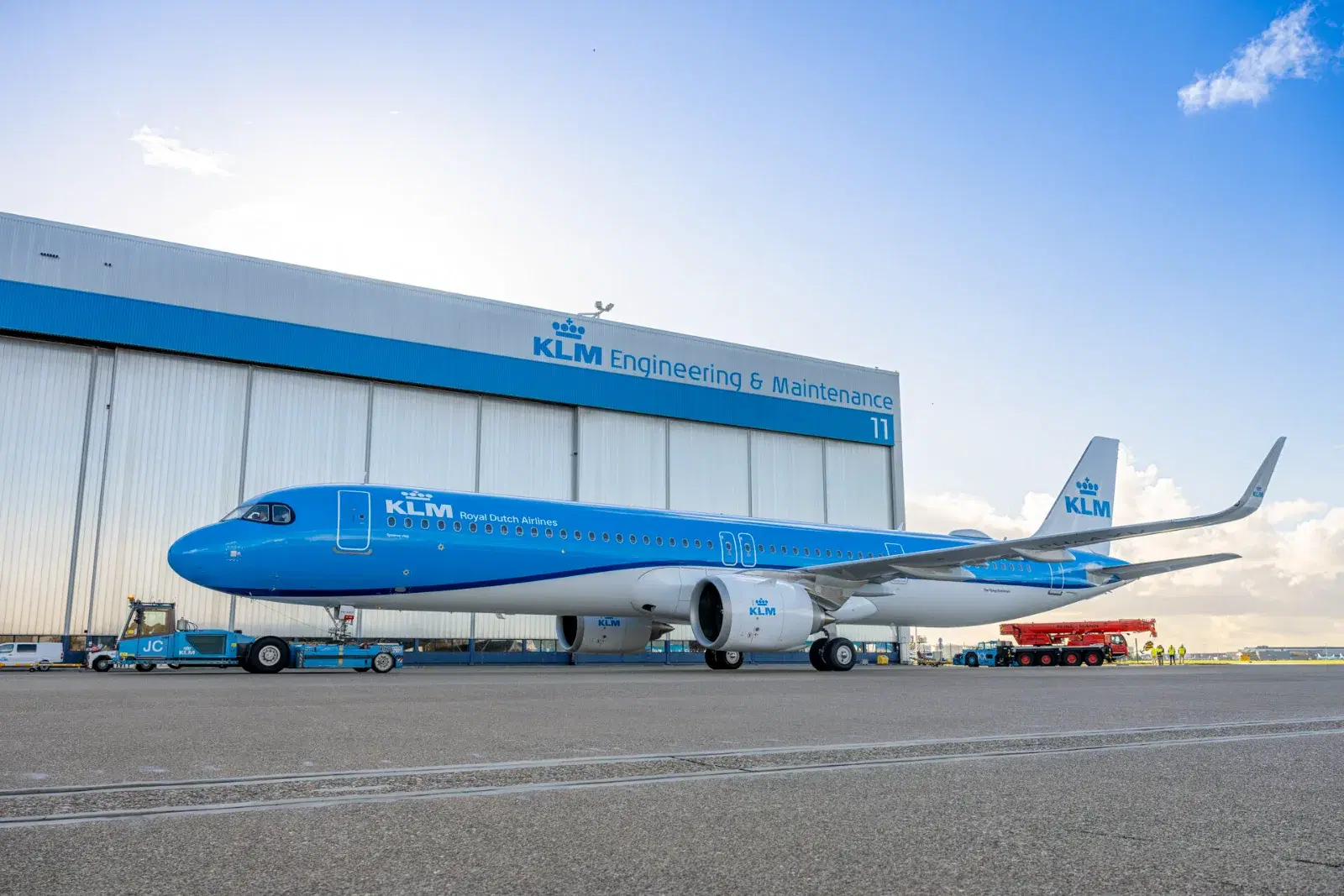
KLM said it has made significant progress in improving its financial performance in recent years, achieving more than €750 million in structural improvements. The airline has introduced several initiatives across its divisions and largely addressed shortages of pilots and maintenance staff. It has also outsourced activities such as catering and maintenance while significantly reducing the number of office buildings it uses. In addition, KLM has downsized its office workforce through job cuts and by leaving vacant positions unfilled.
Parijat Sourabh6 min read
However, these measures are not sufficient to secure KLM's long-term future. This was further highlighted by future scenarios developed over the past few months with input from employees and external stakeholders. The scenarios indicated that delaying necessary decisions would further narrow the airline's strategic options.
“Every day, we all work with incredible dedication, commitment, and pride. But KLM’s future is not guaranteed. The environment we operate in is becoming increasingly complex, with global instability, high fuel prices, and growing pressure on the aviation industry. That’s why, at this pivotal moment for KLM, we’re taking far-reaching, sometimes painful measures. Every department and every division will be asked to contribute. We're doing this with a clear vision for the future: one where KLM remains a great airline that connects customers to the world, a company people want to work for, and one the Netherlands can be proud of,” said Marjan Rintel, President and CEO of KLM.
“We need to strengthen our financial foundation to make KLM more resilient in the face of uncertainty and better prepared for the future. We need a KLM that can invest in a new generation of aircraft, better customer service, and our people.These measures will help us increase revenue and further reduce our structural costs. We need to make a major leap forward. Improving our annual earnings by €1 billion is essential to delivering our strategy and focusing on what sets KLM apart,” said Bas Brouns, CFO of KLM.
Marjan Rintel added: “We'll closely monitor the progress of these decisions and measures. Further changes to the organisation, employment conditions, productivity, and staffing may still be necessary.”
Fleet and network strategy
The airline said it will continue investing in its network while operating a significantly simplified and modernised fleet of 185 Airbus, Boeing and Embraer aircraft. KLM is also working to make its operations more sustainable through the introduction of cleaner, quieter and more fuel-efficient aircraft, alongside various ground-based initiatives aimed at reducing fuel consumption and emissions while improving working conditions.
KLM will also continue investing in passenger services and comfort. These efforts include introducing more comfortable aircraft, enhancing onboard services, offering free high-speed Wi-Fi on intercontinental flights and expanding meal options on European routes. The airline will also use digitalisation and artificial intelligence (AI) to improve the flight booking experience and make operations simpler and more efficient.
KLM is adjusting the balance between larger and smaller aircraft in its European fleet. The Airbus A321neo will remain in service, while the smaller Embraer E195-E2 will replace the previously planned A320s. By operating more smaller aircraft, the airline aims to better align capacity with demand across its European network, giving KLM Cityhopper a greater role. The Boeing 737 and Embraer E190 will be gradually phased out over the coming years. Simplifying the fleet is also expected to streamline the organisation and help KLM manage costs and operations more efficiently.
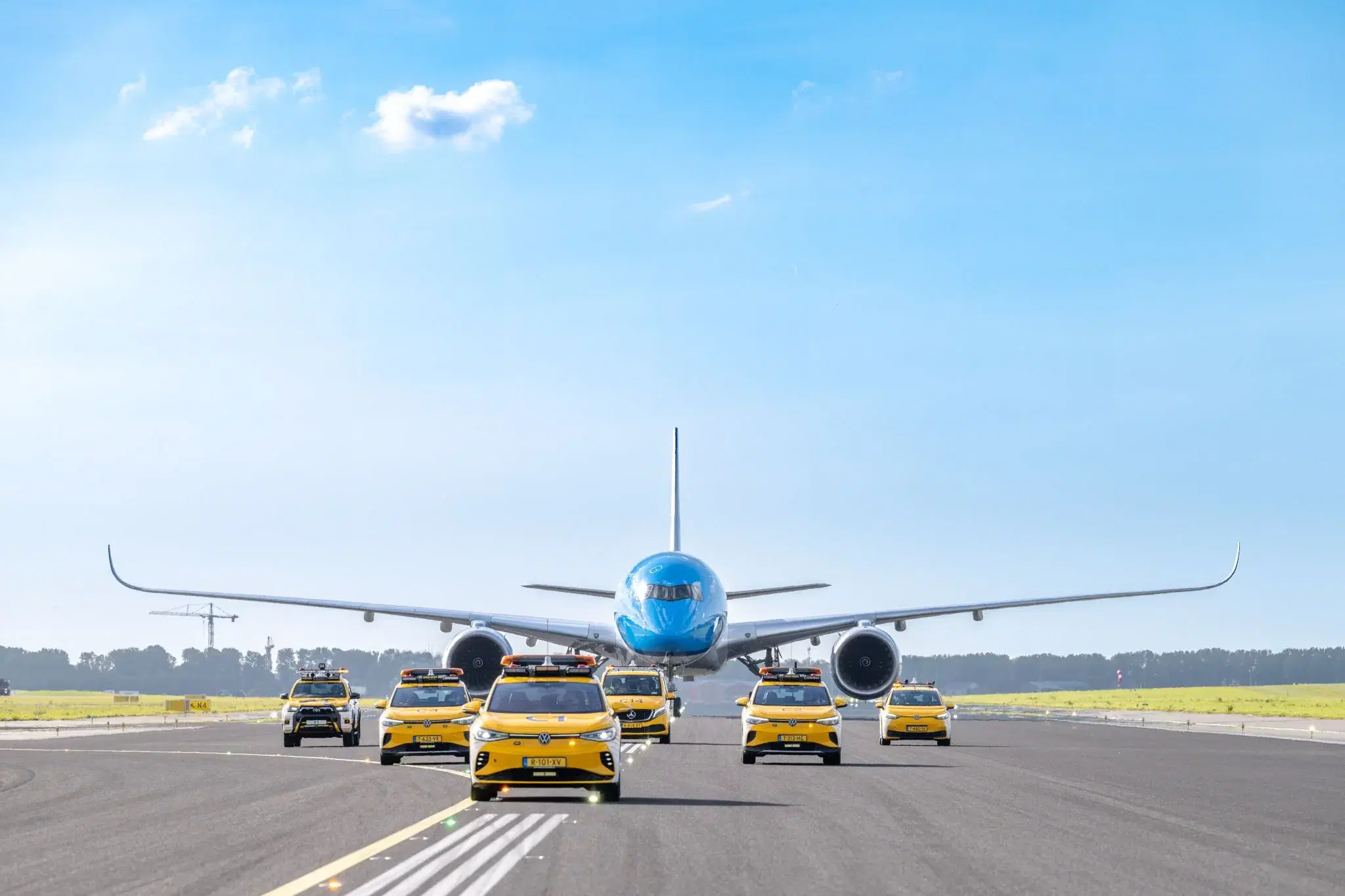
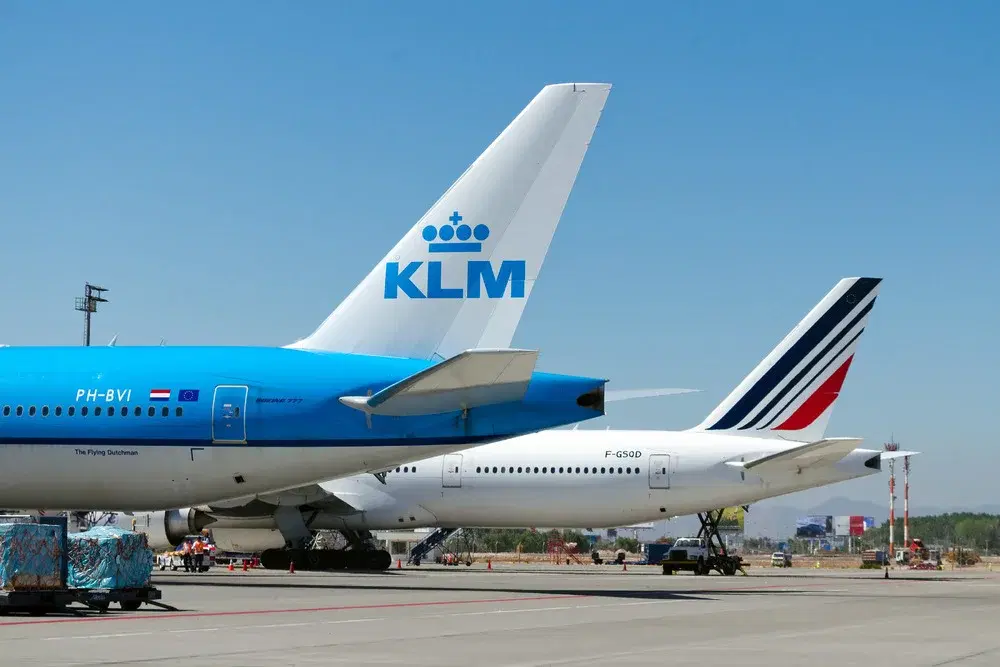
Available capacity will be directed towards routes that contribute most to passenger connectivity and Schiphol's nonstop network. These measures, along with other initiatives, are aimed at restoring profitability across KLM's European network while supporting reliable operations. KLM said it is sharpening its focus on core activities that directly benefit customers and strengthen its competitive position. Activities that other parties can perform better, faster or more efficiently will be approached differently. This means some operations will be carried out through external partners, reorganised or further consolidated within the Air France-KLM Group. The proposed expansion of the group through the inclusion of SAS, which is currently under review by the European Commission, is expected to create additional opportunities for collaboration, synergies and economies of scale across the European airline group.
Changes across operational divisions
Within Ground Services, KLM plans to introduce changes over the coming years. In Passenger Services, digitalisation and new technologies will give travellers greater control over check-in, boarding and rebooking, allowing terminal employees to focus more on hospitality and direct customer service.
Apron Services for European flights and Baggage Services will work with external partners. These providers will take over below-the-wing activities at KLM Cityhopper and baggage handling in the East Hall. As ground-handling specialists, they are expected to invest more and at a faster pace while delivering services more efficiently and at lower costs.
KLM will also improve its Hub Control Centre at Schiphol through new working methods, technology and closer collaboration with external partners. These changes are intended to make better use of the airport's limited space and equipment while improving the coordination of passenger and baggage flows.
KLM Cargo will consolidate all cargo handling operations at its own warehouse at Schiphol, covering freight transported on both passenger and dedicated cargo aircraft. This move is intended to prepare KLM Cargo for the new cargo terminal, which is scheduled for completion in 2035, while helping it attract more transfer cargo through Schiphol. The company also plans to expand services for customers requiring additional support. Despite the expected increase in cargo volumes, KLM aims to manage the additional workload without recruiting more employees. This will be achieved through simpler processes, improved working methods, greater automation and the deployment of employees across different activities.
Engineering & Maintenance will increasingly focus its expertise, workforce and resources on supporting KLM's future fleet. This includes accelerating the phaseout of maintenance work on aircraft types being retired from service. Wherever possible, maintenance activities will also be scheduled during existing ground time to maximise aircraft availability. More efficient working methods in engine and component shops are expected to deliver sustained productivity improvements and create opportunities for growth. KLM also intends to bring the management of Engine Services and Component Services into closer alignment with Air France-KLM.
Workforce reduction and productivity targets
KLM said employment terms and conditions need to become simpler and more competitive, adding that continuing with the current approach is not sustainable. The airline believes that, given its current challenges, decisions that were previously postponed can no longer be avoided. It aims to work with trade unions to establish new collective labour agreements that are sustainable in the long term. KLM is targeting a structural productivity increase of at least 8% by 2028, alongside very moderate wage growth.
KLM's workforce, which has already decreased in recent years, is expected to shrink by almost another 15%. Around 5,000 positions have been or will be reorganised, with the associated work carried out differently. Since this spring, activities corresponding to 1,250 positions at KLM Catering Services have been performed in partnership with gategroup. A further 800 positions in Ground Services will involve activities transferred to external service providers. In addition, around 2,000 positions, including 1,500 at customer contact centre Cygnific, will be transferred to Air France-KLM. The planned structural productivity improvements are also expected to reduce KLM's workforce by approximately 1,000 positions.
KLM expects to limit the impact on employees through natural attrition, voluntary arrangements, and transfers to other positions. Marjan Rintel said, "It's painful to transfer activities that have traditionally been part of our company. This affects colleagues who have devoted their entire working lives to KLM and put their hearts and souls into their work. But doing nothing would ultimately have even more painful consequences, both for jobs and for our country's connections to the rest of the world. That's why we're taking action to make KLM stronger and more competitive. We'll do so with great care and respect, and through open dialogue with employee representatives, unions, partners, and other stakeholders."
Join the conversation
No comments yet
Be the first to share your thoughts!
Sign In to Comment