
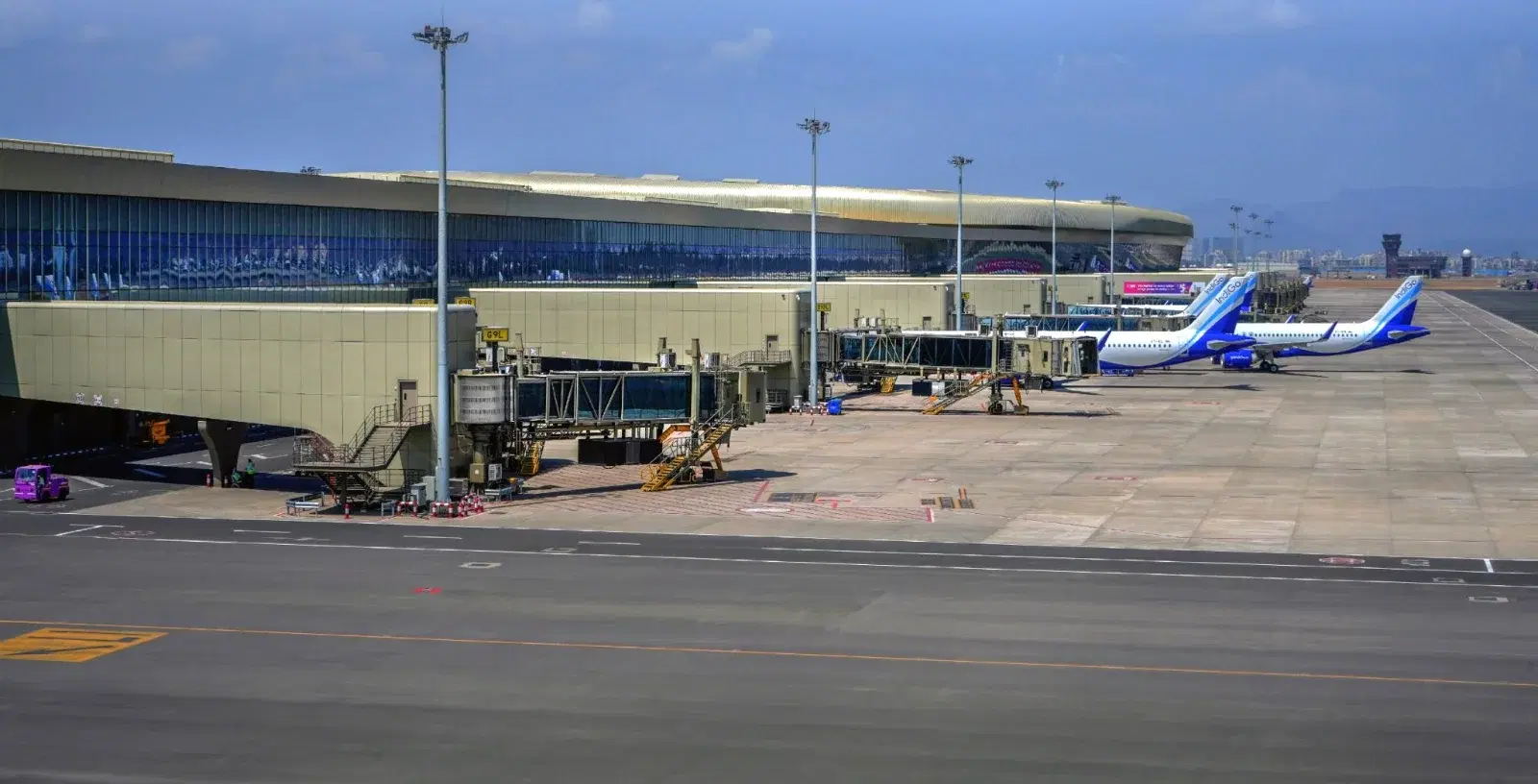
Navi Mumbai International Airport, located in the Mumbai Metropolitan Region, recorded its busiest day since commencing commercial operations on 25 December 2025, handling more than 27,000 passengers and a record 212 aircraft movements on 19 November 2026, according to a post by the airport.
Parijat Sourabh2 min read
The airport also stated that the single-day total comprised 173 scheduled passenger flights, including 87 arrivals and 86 departures, along with 20 cargo movements and 19 general aviation movements.
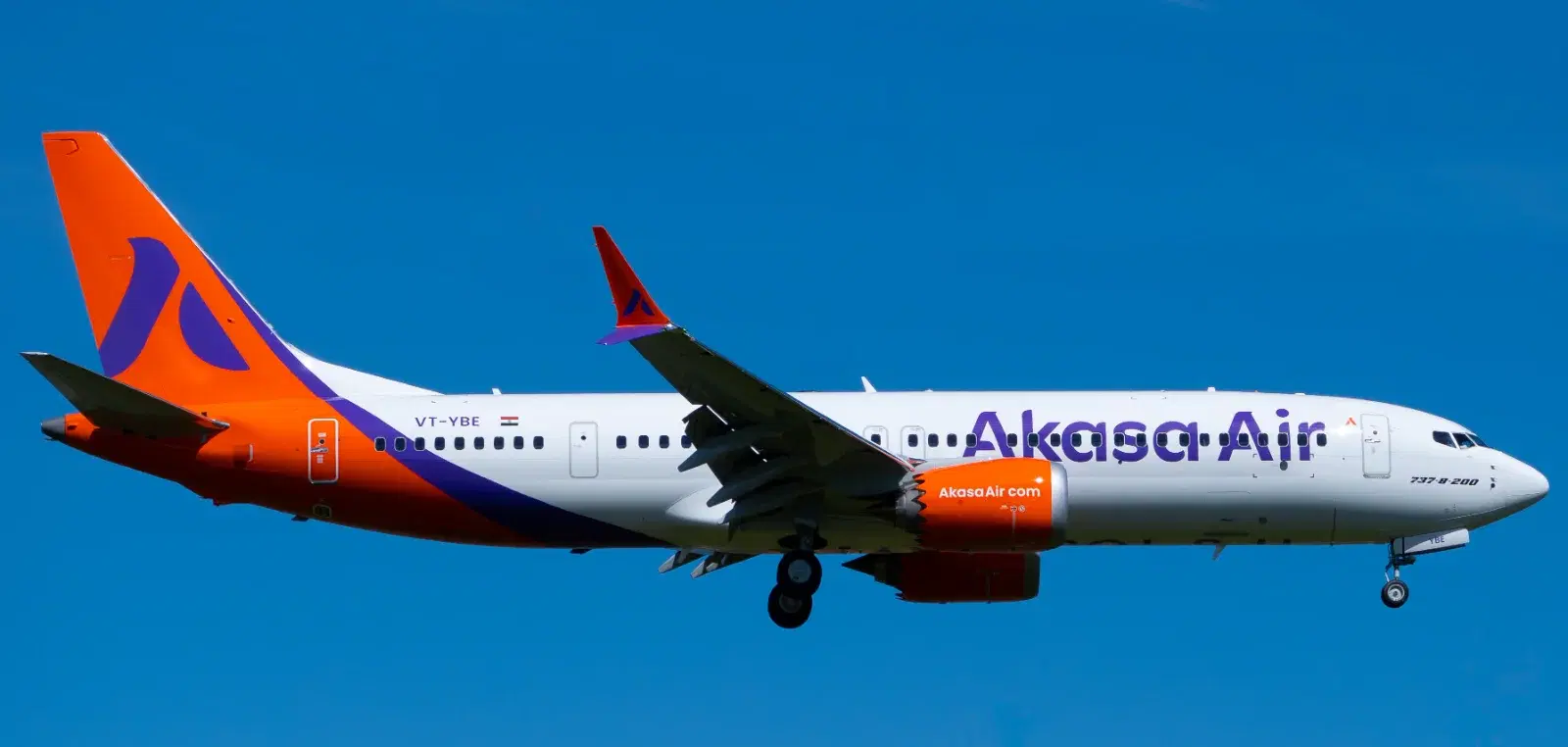
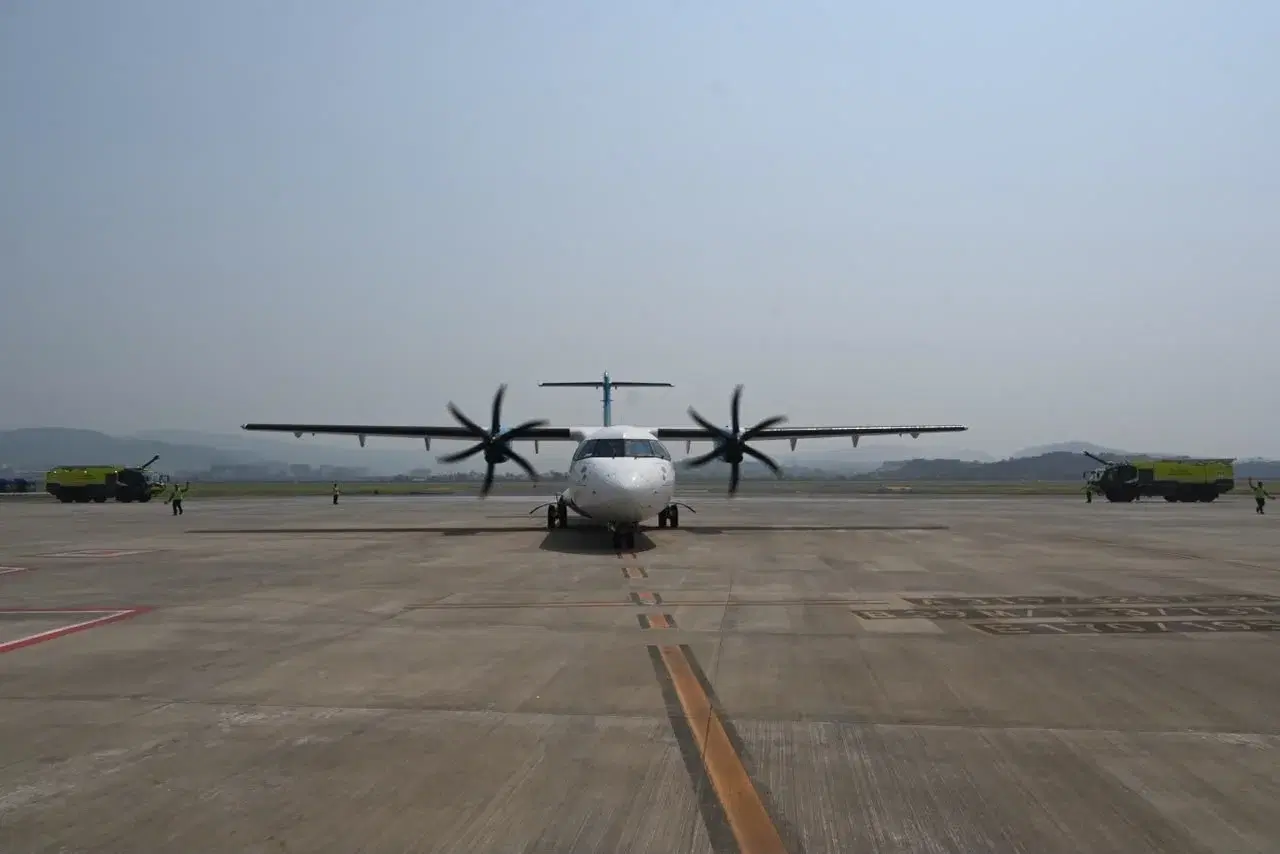
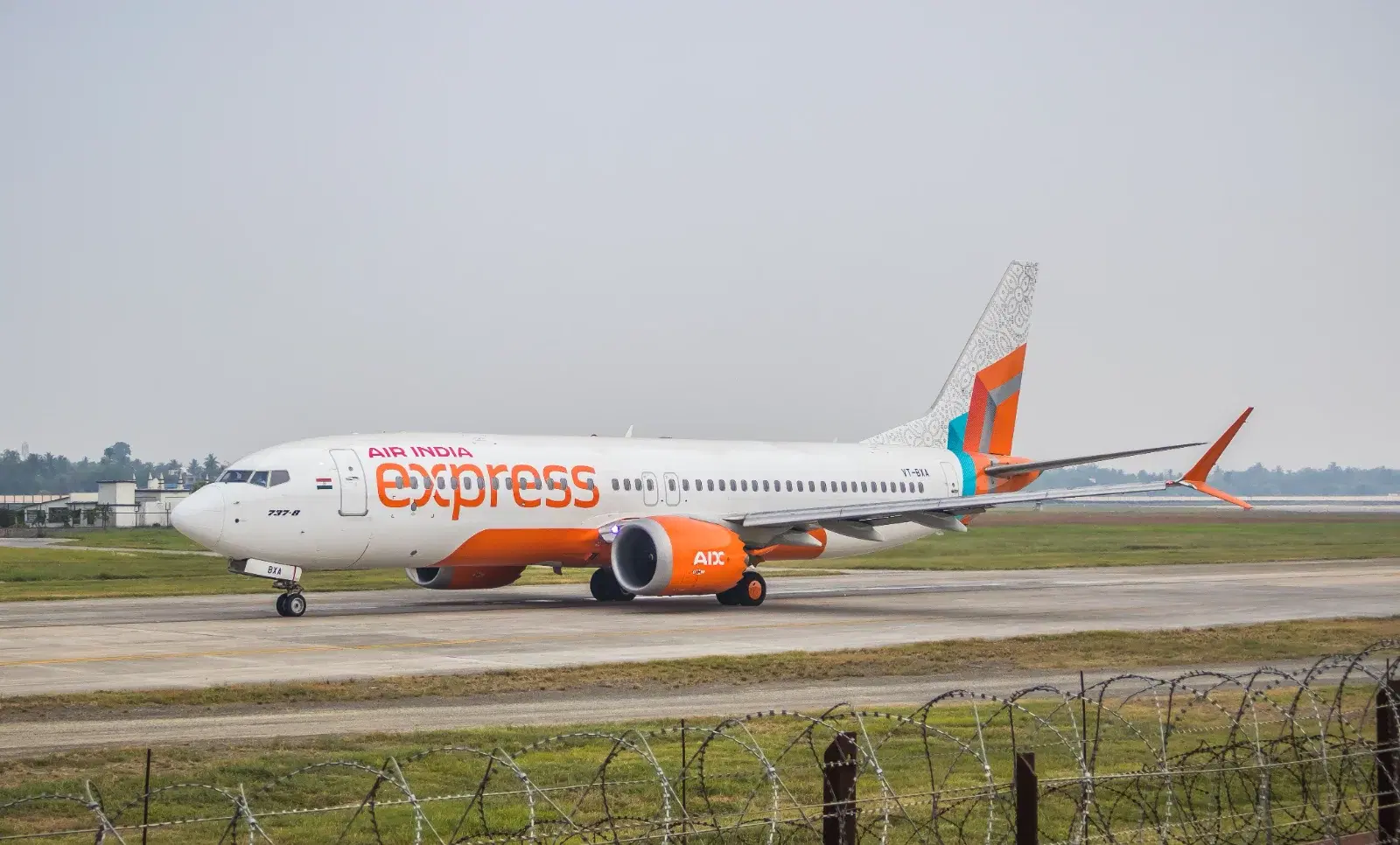
Among scheduled airlines, IndiGo recorded the highest number of aircraft movements, with 122 (61 arrivals and 61 departures), followed by Akasa Air with 35 movements (18 arrivals and 17 departures). Air India Express accounted for 10 movements (five arrivals and five departures), while FLY91 recorded six (three arrivals and three departures). The remaining 39 movements were operated by non-scheduled and cargo aircraft, according to CNBC.
Commenting on the traffic figures, a spokesperson for Navi Mumbai International Airport told CNBC: “This milestone is an important indicator of how quickly NMIA is scaling. Handling 212 aircraft movements and more than 27,000 passengers in a single day, alongside cargo and general aviation operations, demonstrates the strength of our infrastructure, operating systems, and teams. Our focus is not simply on achieving traffic milestones, but on building a safe, efficient, and scalable airport ecosystem that can support Mumbai's long-term growth. As connectivity expands, NMIA will increasingly complement the region's existing aviation infrastructure and strengthen Mumbai's position as one of India's most important economic and aviation gateways.”
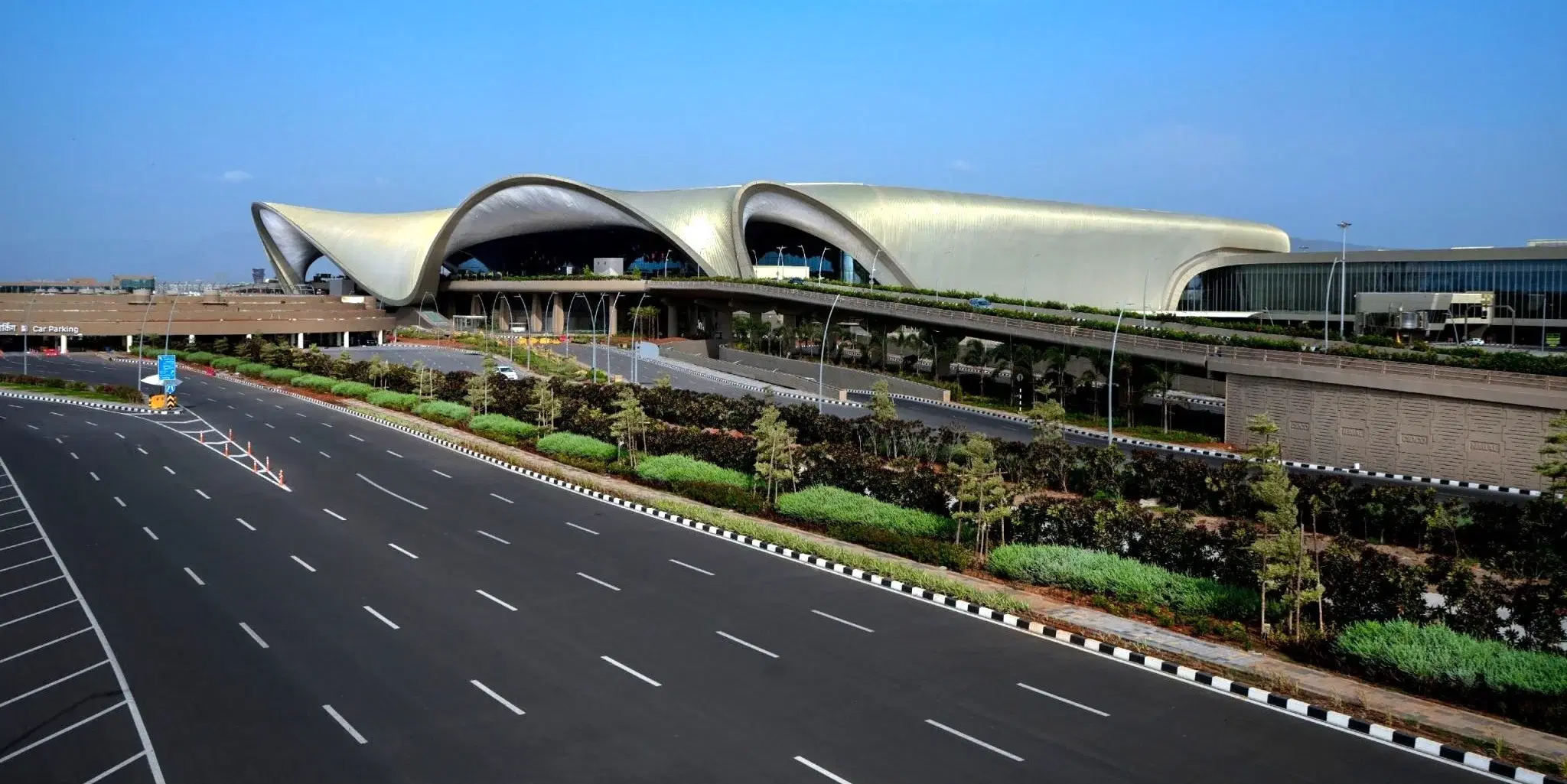
Navi Mumbai International Airport (NMIA) has been developed under a public-private partnership (PPP) involving Mumbai International Airport Limited (MIAL), a subsidiary of Adani Airport Holdings Limited (AAHL), and the City and Industrial Development Corporation (CIDCO).
The airport is designed to complement Chhatrapati Shivaji Maharaj International Airport (CSMIA), with an initial capacity of 20 million passengers per annum (MPPA), which is expected to eventually increase to 90 MPPA.
While the latest passenger and aircraft movement figures mark a significant milestone for Navi Mumbai International Airport, ground connectivity remains a concern. According to recent media reports, the Maharashtra State Road Transport Corporation (MSRTC) has temporarily diverted its bus services connecting NMIA with Dadar and Borivali, citing low passenger demand and the need to redeploy buses to manage the festive-season rush. Meanwhile, Cityflo's free app-based premium daily commute shuttle service between NMIA and Terminal 2 (T2) of Mumbai airport has been discontinued.
As a result, passengers travelling to and from the airport have increasingly had to depend on costly taxis and app-based cab services, with transport fares in some cases reportedly higher than their flight tickets.
Join the conversation
No comments yet
Be the first to share your thoughts!